Lunchtime take-up at a workplace canteen often dips once the clocks go back, because staff stay at their desks rather than step out into the cold. You can keep numbers up by putting the canteen close to the door, cutting queue times, serving hot, filling food and adjusting service to match how people actually work in winter.
The clocks go back on Sunday 25 October, and for many sites the following weeks are when catering numbers start to slide. If you run workplace canteen catering from a mobile unit, a few small changes before November can make the difference between a busy hatch and a quiet one.
Why does canteen take-up drop after the clocks go back?
Because going outside becomes less appealing almost overnight. Staff arrive in the dark and, a few weeks later, leave in the dark too. Mornings are a separate challenge, which we covered in breakfast catering for darker autumn mornings, but lunchtime is where the drop shows most clearly. When it’s cold and wet at lunchtime, the easiest option is to stay inside with a sandwich from home or something from the vending machine.
None of that means people don’t want a hot lunch. It means the effort of getting one has gone up. Anything that reduces that effort, such as a shorter walk, a shorter wait or a reason to look forward to it, tends to bring numbers back.
It’s worth tracking take-up through October and November so you can see the dip when it happens, rather than noticing weeks later. Even a rough daily count from the caterer will show which days and which changes make a difference.
Where should the canteen unit sit in winter?
As close to the building entrance as your site allows. In summer, a unit at the far side of the car park is no problem. In November, a two-minute walk in the rain is enough to put people off.
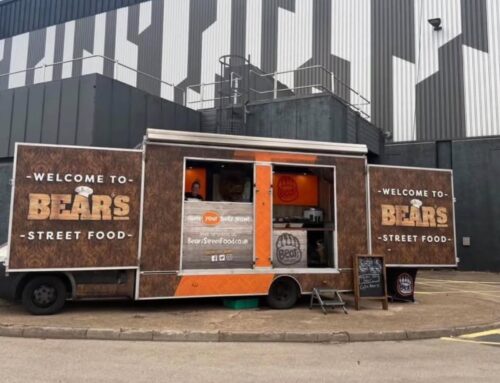
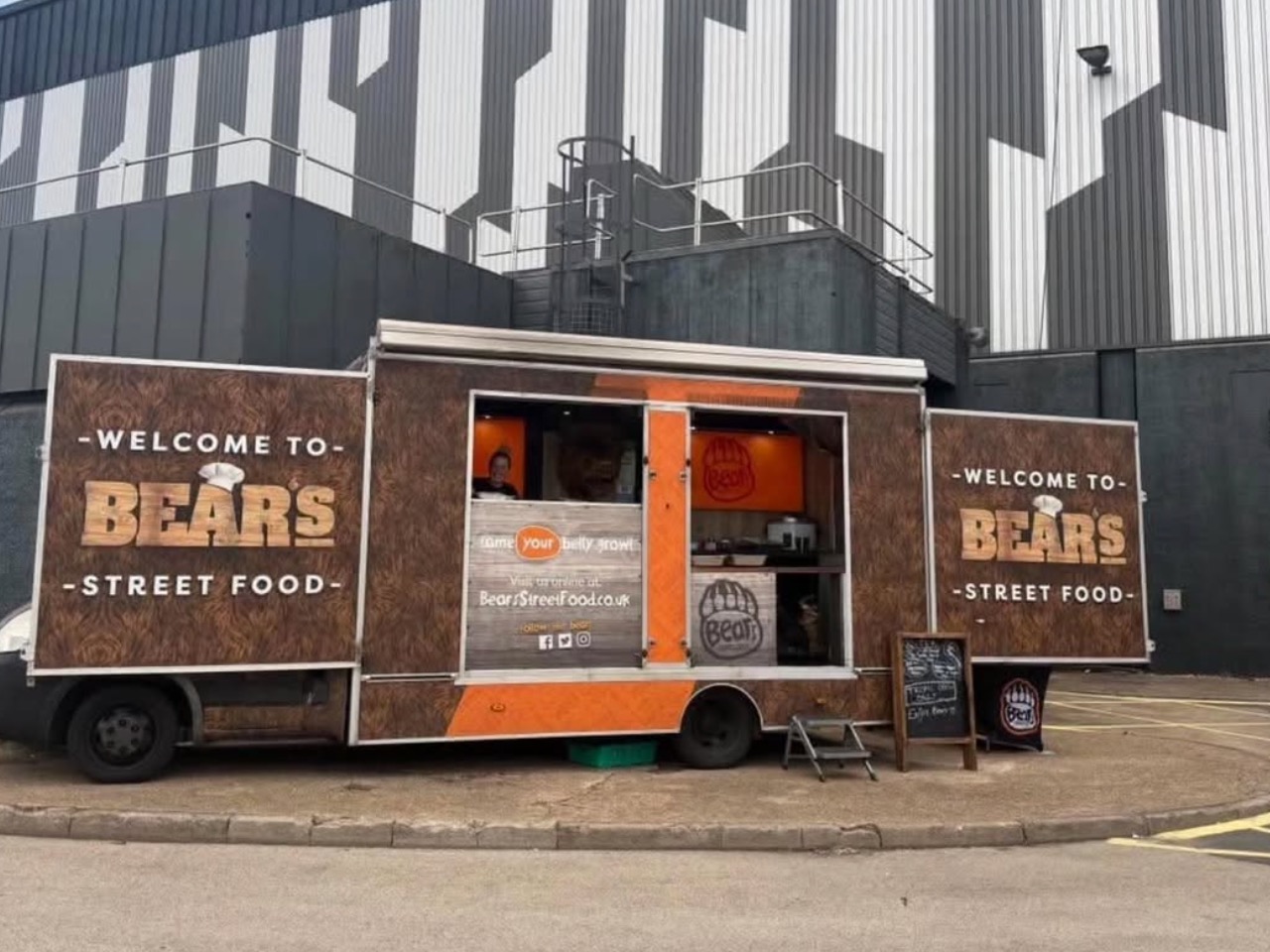
Bear’s units are fully self-sufficient, bringing their own silent power and fresh water, so they don’t need to be near a building connection. That gives you freedom to position the hatch exactly where staff will use it. If you can, pick a spot near a covered walkway, an overhang or an indoor space where people can eat out of the weather.
Lighting matters too, especially for sites running late and night shifts. A well-lit serving area feels safer and more welcoming once the afternoons get dark.
How do you keep queues short in a short break?
Make sure the caterer knows exactly when people are free. On sites with staggered breaks or shift changes, a few minutes in a queue can be a large share of someone’s lunch. If people have learned that they’ll wait, they stop coming.
Share your break patterns with the caterer, including any changes for winter rosters. Bear’s equipment is built to serve hundreds of people within strict break windows, but it works best when the service is planned around your real timings rather than a generic lunch hour.
If your breaks all fall at once, consider staggering them slightly. Even a small spread of start times can take the pressure off the queue.
What food keeps people coming back in colder months?
Hot, filling food that feels like a proper lunch. Once the weather turns, people want something warming, and that’s where a street food canteen can easily beat a cold sandwich from home.
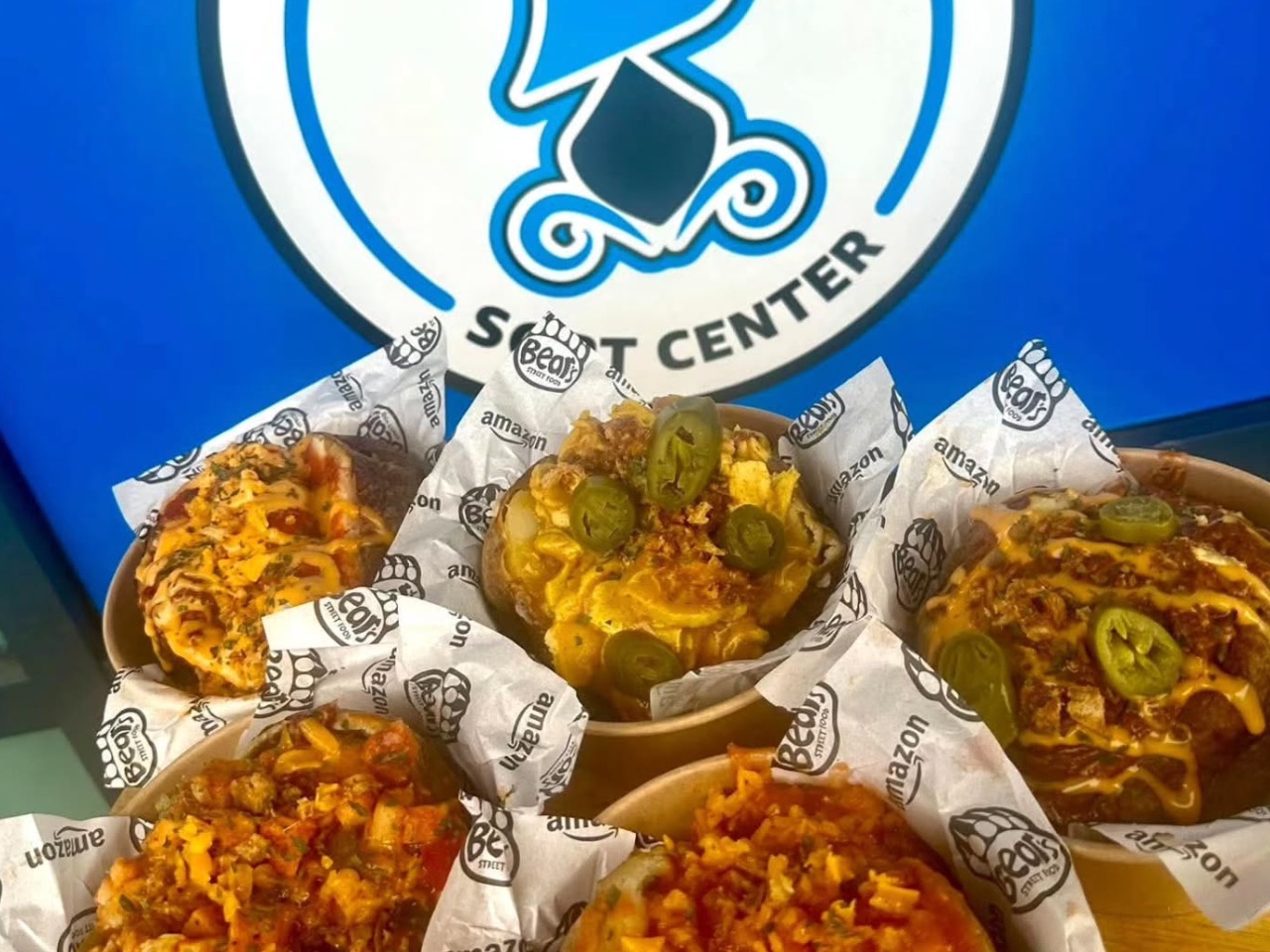
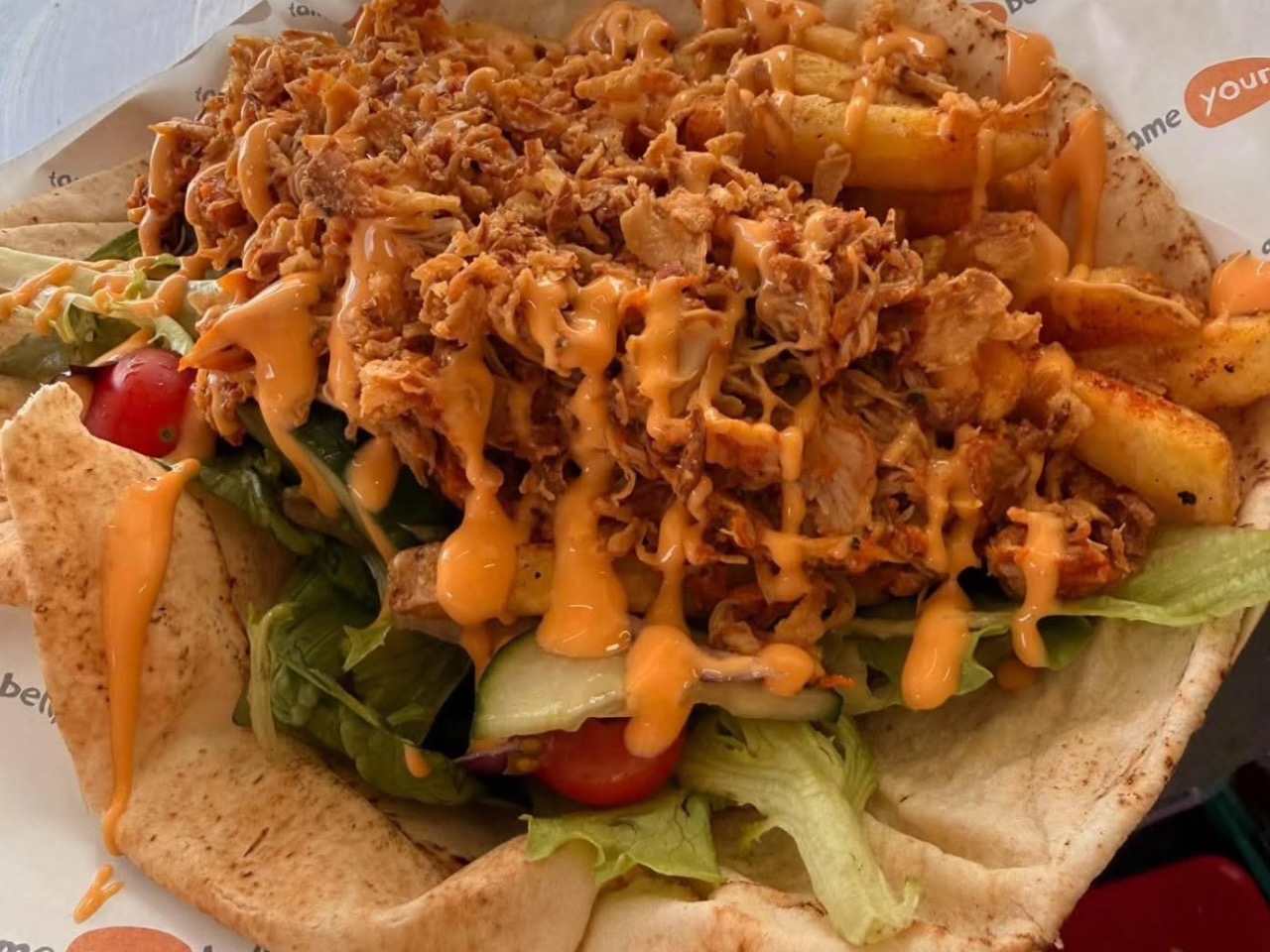
Slow-cooked pulled meats, flame-grilled burgers, curries with rice and loaded fries all suit a winter lunchtime. They’re generous, quick to serve and easy to eat in a short break. Rotating dishes through the week gives people a reason to check what’s on rather than assuming they know.
Make sure the hot food works for everyone. Vegan, gluten-free and halal options should be part of the regular menu, so nobody falls back on the vending machine because there’s nothing for them.
Should you change service frequency for winter?
Possibly. Look at how take-up has actually changed rather than guessing. Some sites find a daily service still makes sense; others get better value from concentrating service on the busiest days of the week.
A mobile canteen can adapt either way. Whether your site needs daily cover or a weekly Street Food Friday, the service can be adjusted to match your shift patterns and staff numbers as the season changes. We weigh up the two options in Street Food Fridays vs daily canteen cover. It’s worth reviewing again in the new year, when routines settle, and our guide to reviewing your contract caterer sets out how to approach it.
Is a winter lunch worth the effort for the business?
It’s one of the simplest staff benefits to keep running through the darker months. A hot meal on site keeps people fed and on the premises, gives them a genuine break from their desks and gives the working day some shape when it’s dark at both ends.
On a zero-subsidy model, with no kitchen or capital spend for the host, that benefit comes at very little cost to the business. The main investment is in getting the details right.
Keep your canteen busy this winter
If your lunchtime numbers usually drop after the clocks change, now is the time to plan around it. We’ll look at your site, your breaks and your staff numbers and set up a service that works through the winter.
Contact Bear’s Street Food to talk about workplace canteen catering for your site.