Night shift workers can get the same hot food as day staff if your site uses a self-sufficient mobile canteen that operates around the clock. Service is timed to the main night break, the unit is positioned safely away from yard traffic, and staff get a proper meal instead of relying on vending machines.
On many warehouses, logistics hubs and industrial sites, the night shift is where catering quietly disappears. As the nights draw in, that gap becomes harder to ignore. If you’re looking at workplace canteen catering for a site that runs nights, here’s how to make it work for the people who need it most.
Why do night shifts miss out on hot food?
Because most workplace catering is built around the working day. Fixed canteens close in the afternoon, local cafés and takeaways shut in the evening, and the night shift is left with whatever is in the vending machine or whatever they brought from home.
That gap is felt more in winter. Night staff arrive in the dark, work through the coldest hours and leave before the sun is fully up. A cold sandwich at 2am is a poor substitute for the hot lunch their daytime colleagues can buy.
It also creates an obvious difference in how the two shifts are treated. Staff notice when one shift gets a hot meal on site and the other doesn’t.
Can a mobile canteen serve a night shift?
Yes. A self-sufficient mobile canteen can serve a night break just as it serves a lunchtime one, provided the caterer is set up for 24/7 work.
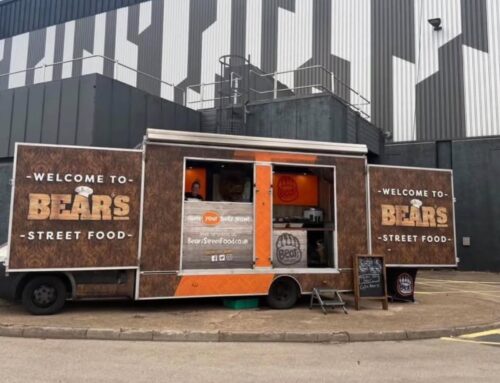
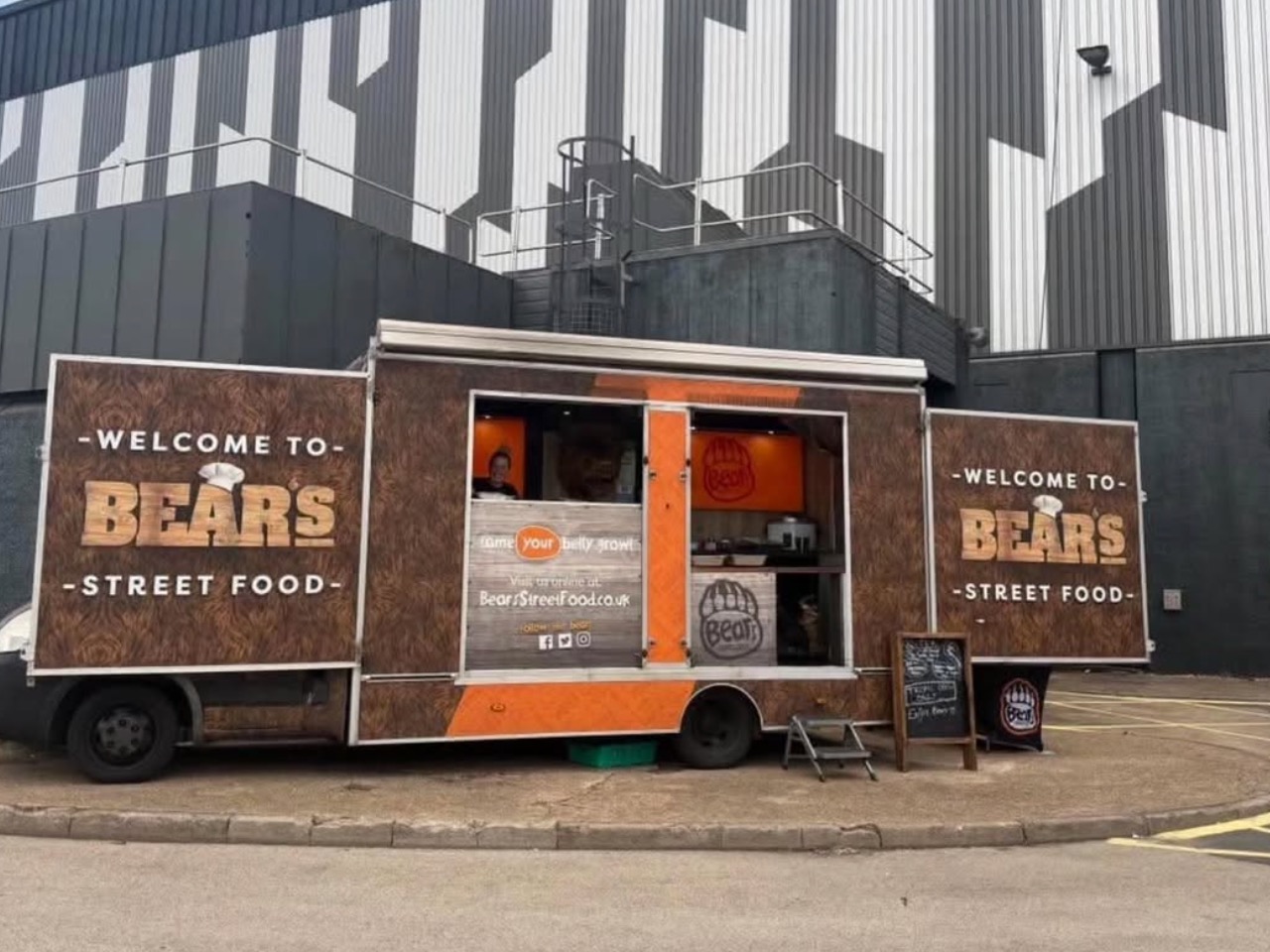
Bear’s units bring their own silent power and fresh water, so they don’t rely on site utilities and won’t disturb anyone nearby. Service can align with night shifts or weekend rotations rather than a standard lunch hour. Depending on your site, that might mean extending an existing day service into the night or arranging a separate service just for the night shift.
The key is to plan it as a proper night service, not an extension of the day. That means agreeing break times, quantities and positioning specifically for the night shift.
When should food be served on a night shift?
Around the main break, timed so the whole shift can get to the hatch without eating into their rest time. On sites with staggered breaks, the service window should cover each group.
Share your actual break pattern with the caterer, including any winter roster changes. A night shift that takes its main break at 1am needs food ready at 1am, not a service that starts at midnight and runs out of the popular options before the second team arrives.
Some sites also find value in a service around shift handover, catching the evening shift on the way out and the night shift on the way in. Whether that’s worthwhile depends on how your shifts overlap.
What food works for night workers?
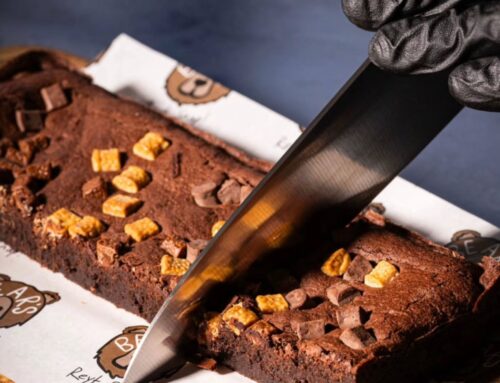
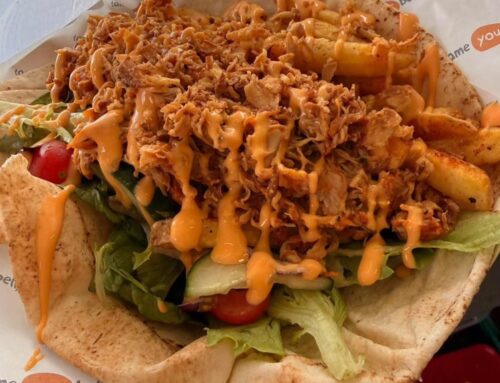
Hot, filling food that’s warming without being too heavy to work on afterwards. Loaded jacket potatoes, slow-cooked pulled meats, curries with rice and flame-grilled options all suit a night break in winter.
Variety matters as much as warmth. Night staff tend to be a steady, regular group, and the same three dishes every night soon get tiresome. Rotating the menu through the week keeps people coming back. Vegan, gluten-free and halal options should be part of the regular offer, so nobody on the night shift is left with nothing to choose.
How do you keep night-time service safe?
Position the unit well away from vehicle movements, light the serving area properly and agree the walking route between the building and the hatch.
Night operations on logistics and industrial sites often involve HGVs, forklifts and yard shunters moving in low light. The catering unit should sit in a designated pedestrian area, out of traffic routes, with a clear and lit path from the door. If your daytime position works well in daylight, check it again at night before the first service. The same lighting points apply on sites adjusting to darker afternoons after the clocks go back.
Your health and safety team will want to see the caterer’s risk assessment and method statement (RAMS) and insurance documents. Bear’s provides these as standard for long-term commercial site access.
Is it worth adding a night service?
For most sites with a substantial night shift, yes. It closes the gap between how day and night staff are looked after, gives night workers a genuine break and keeps them on site rather than driving off in search of food.
It’s particularly relevant ahead of the busy winter period, when many logistics sites take on extra people and run extended hours. If that applies to you, our guide to scaling workplace catering for peak-season temporary staff covers the planning side.
Does a night service cost the business?
On a zero-subsidy model, very little. A mobile canteen brings its own kitchen, power and water, so there’s no fixed kitchen to run through the night and no capital spend for the host. Staff buy their food, and the business provides the space and the access.
If you’re comparing this with your current arrangement, it helps to look at how well the existing service actually reaches night staff. A canteen that closes at 3pm or a bank of vending machines may look cheaper on paper but leaves a large part of your workforce without a hot meal. Our guide to reviewing your contract caterer sets out how to assess it.
Feed your night shift properly this winter
If your site runs nights and your night staff are going without, we’ll look at your shift pattern and set up a service that works after dark.
Contact Bear’s Street Food to talk about catering for your night shift.