Prosthetics and SFX-heavy days need a catering plan built around the make-up department’s schedule, not just the unit call. Performers in prosthetics often need to eat before application or in a narrow window afterwards, so breakfast has to open earlier and the menu needs options that are easy and tidy to eat.
Autumn brings its share of horror, fantasy and creature work, and these days are some of the most demanding on any shoot. Good TV & Film catering for them comes down to timing and communication. This piece covers what production and catering teams should plan for when the make-up chair is driving the day.
Why do prosthetics days need a different catering plan?
Because the people most affected by the schedule are working to a different clock. Prosthetic application can take hours, so performers and the make-up and SFX team are often called long before the rest of the unit. By the time the main crew arrives for breakfast, some of the cast may have been in the chair for most of the morning.
Once a prosthetic is on, eating becomes more complicated. Depending on the piece and where it sits, a performer may only be able to manage certain foods, may need to eat carefully to avoid damaging the work, or may prefer not to eat much at all until it comes off. A standard catering plan, built around one breakfast service and one lunch, doesn’t account for any of that.
When should performers in prosthetics eat?
Usually before application, and then whenever the make-up and prosthetics team says it’s safe. The department leading the application is the best judge of what a performer can manage once the work is on, so their guidance should shape the catering plan.
In practice, that often means opening breakfast earlier than usual for the performers and the make-up team, then serving them again at a time agreed with the department. If the main lunch break falls at a point when performers can’t easily eat, the caterer can hold food for them and serve it later, or prepare something to be taken to the make-up area.
The key is that the caterer knows these timings in advance. A breakfast that opens at the unit call is no use to someone who was called four hours earlier.
What food works for actors wearing prosthetics?
Food that can be eaten in small, tidy bites without much effort works best. Heavily sauced or very messy dishes are harder to manage around a prosthetic and risk staining costume or make-up.
That doesn’t have to mean bland food. A pitta or wrap with the sauce on the side, a portion of pulled meat with rice, or a simple flame-grilled option without the toppings can all work. A street food caterer used to serving at speed can easily hold back the sauce or the crispy toppings for anyone who needs a cleaner version, while the rest of the unit gets the full loaded dish.
Leave the specifics to the make-up team and the performers themselves. Some prosthetics affect the mouth and jaw far more than others. Ask, plan a couple of simple options and let people choose.
How do you protect costume and SFX work at meal times?
Give performers in prosthetics and full costume a separate, sheltered place to eat, away from the main queue and seating. It reduces the chance of knocks, spills and weather damage, and gives them a moment of quiet in what’s often a long and uncomfortable day.
This matters even more on autumn locations. Rain, wind and cold can all damage prosthetic work, and a performer shouldn’t have to stand outside a catering hatch in poor weather. Agreeing in advance where their food will be brought, and by whom, avoids last-minute improvising.
Where the catering unit is positioned helps too. Placing it close to the unit base but not right next to the make-up trailers keeps cooking smells, smoke and traffic away from the areas where delicate work is being done.
How does the rest of the crew fit around it?
Prosthetics days often run as two schedules at once: an early one for make-up, SFX and cast, and the standard one for everyone else. Catering needs to cover both without the main crew waiting.
That might mean an early first breakfast for the make-up department, a main breakfast at the usual time and a staggered lunch for performers. It can also mean a longer day overall, since removing prosthetics at wrap takes time too, so a second meal may come into play for those still working.
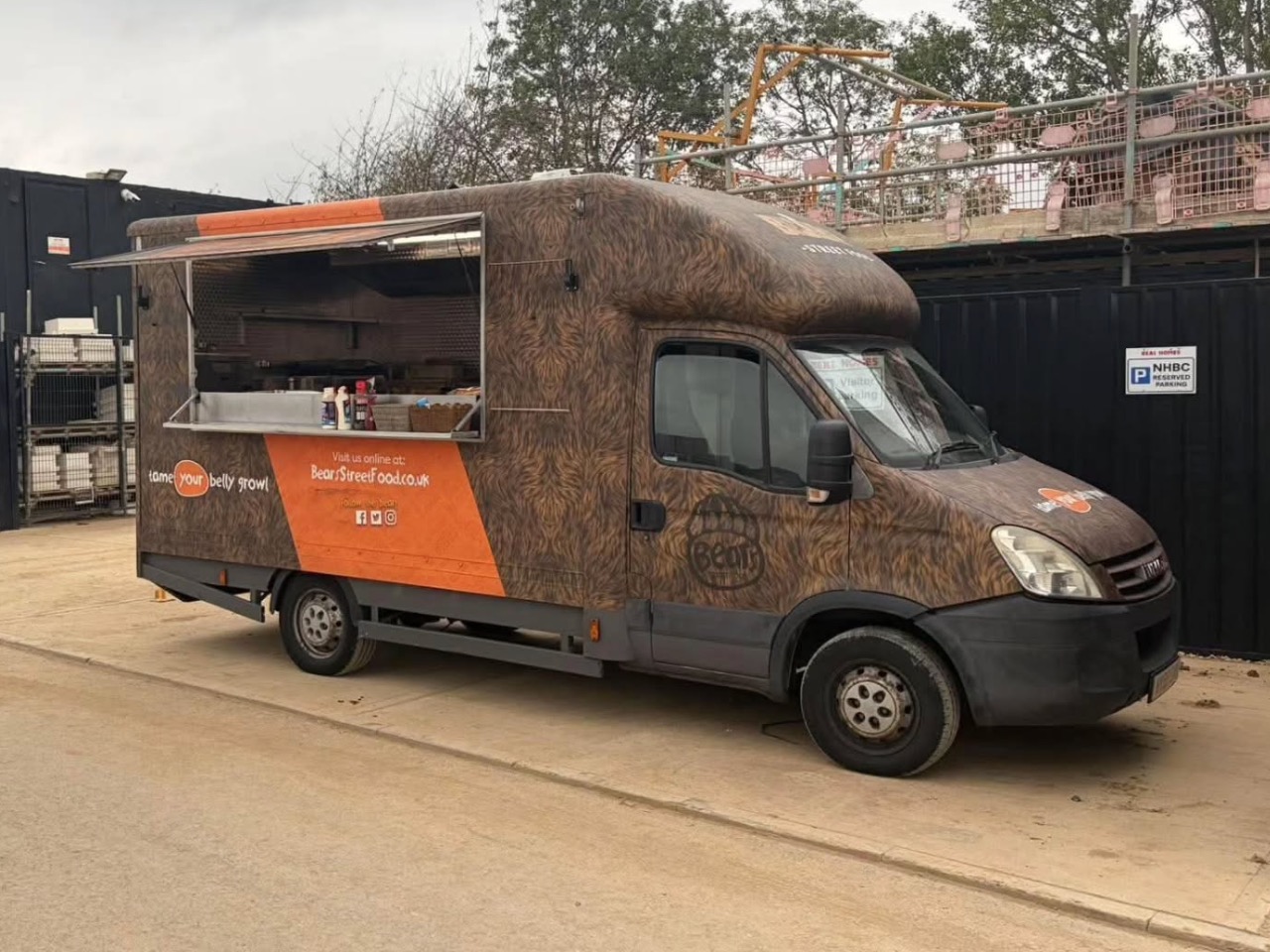
Bear’s runs a 24/7 service and aligns service times with your call sheet, including early starts and split days. The more detail we have on the make-up department’s calls, the easier it is to plan.
What should you tell your caterer before an SFX-heavy day?
Share the make-up and costume calls as well as the unit call, so early service can be planned. Say which performers are in prosthetics and roughly when they’ll need feeding. Pass on any food guidance from the prosthetics team, such as items to avoid or the need for sauces on the side. Confirm where performers will eat and whether food needs to be brought to them. And flag the expected wrap time, including removal, in case a second meal is needed.
A short conversation with the head of the make-up department and the caterer a few days before the shoot usually covers all of it. If you’re still choosing a caterer, our questions to ask before booking a TV and film caterer are a good place to start.
Plan catering for your next SFX day
If you have prosthetics or creature work on the schedule, we’ll build the catering around your make-up calls so performers and crew are fed properly from first call to wrap.
Contact Bear’s Street Food with your schedule and we’ll put a plan together.