Most film and TV crews are given two main meals on a standard shooting day: a hot breakfast before the unit call and a hot lunch around the middle of the day. When the day runs long, or the shoot moves into the night, a second meal is added. Hot drinks and snacks fill the gaps between them.
The exact pattern depends on the call sheet, the length of the shooting day and the agreements your production works under. Planning it properly is the heart of good unit base catering, and it’s one of the first things a caterer will ask about. Below, we break down each meal, when it usually happens and what changes on nights, long days and continuous shooting.
How many meals a day do film crews get?
On a typical day, two: breakfast and lunch. On longer days and night shoots, three is common, with a second meal served later in the shift.
That might sound generous, but crew days are long and physical. Riggers, sparks, grips and camera teams are often on site well before the first shot and still working after wrap. Two good hot meals, properly timed, keep energy steady and stop people drifting off set to find food. They also help keep the schedule intact, because a crew that’s fed on site comes back from a break on time.
Your production’s own agreements with crew and unions set the formal rules on meal breaks and timings. Check those first, then build the catering plan around them.
When is breakfast served on a film set?
Breakfast is served before the unit call, so crew can eat as they arrive and be ready to work when the day officially starts. On an early location day, that can mean the catering unit is up and serving while it’s still dark. We look at this in more detail in hot breakfasts for early call times.
Breakfast is often the meal that matters most for morale. Plenty of crew will have left home in the small hours, and a proper hot breakfast sets the tone for the day. Lighter options such as granola, yoghurt and fruit matter just as much, especially for cast and crew who don’t want a heavy meal before a long day on their feet.
The practical challenge is volume in a short window. Everyone arrives at roughly the same time, and the first setup can’t wait. A caterer needs to be fully set up and serving from the moment the first vehicles roll in.
What time do film crews eat lunch?
Lunch usually falls around the middle of the shooting day, a set number of hours after the unit call. The precise timing comes from the call sheet and your production’s agreements, and it moves whenever the schedule does.
For the caterer, “lunch at 1pm” is rarely a fixed point. A scene can overrun, the light can change, or the first assistant director can bring lunch forward to protect a later setup. The caterer’s job is to have hot food ready across that window without it spoiling, and then to serve the whole unit fast enough that the break doesn’t overrun.
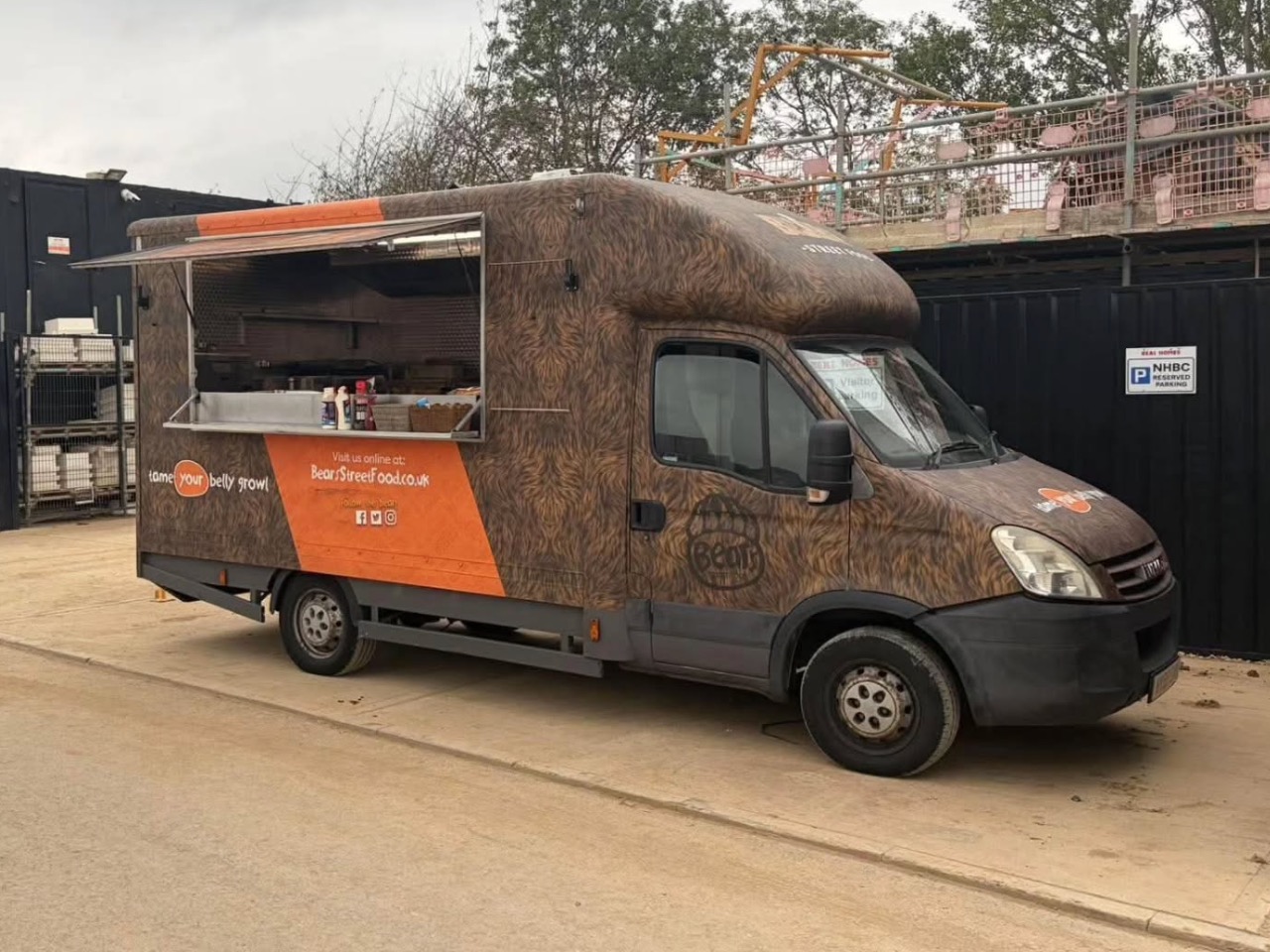
That’s where capacity matters. Feeding a few hundred people inside a single break is a very different task from feeding them over a leisurely hour. Bear’s serves from several hundred to over a thousand people per meal window, using high-capacity equipment designed to keep break times on schedule.
What is a walking lunch on a film set?
A walking lunch is when shooting continues through the lunch period and crew eat in turns, without the whole unit stopping for a formal break. It’s often used to make the most of the available light or to bring the wrap forward.
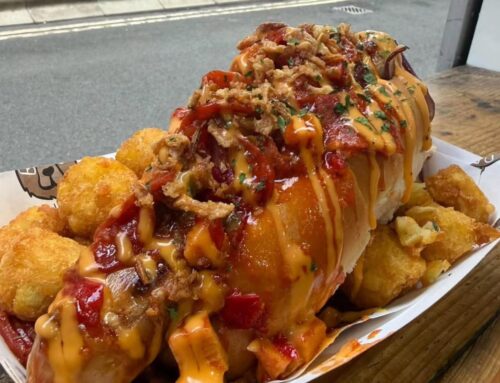
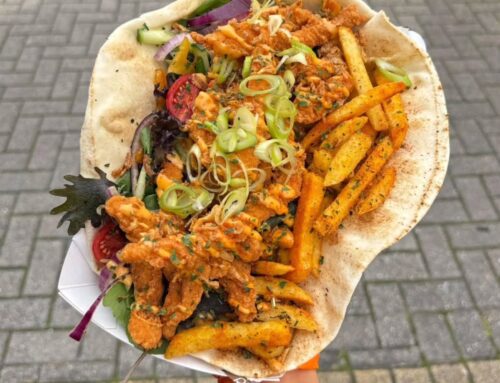
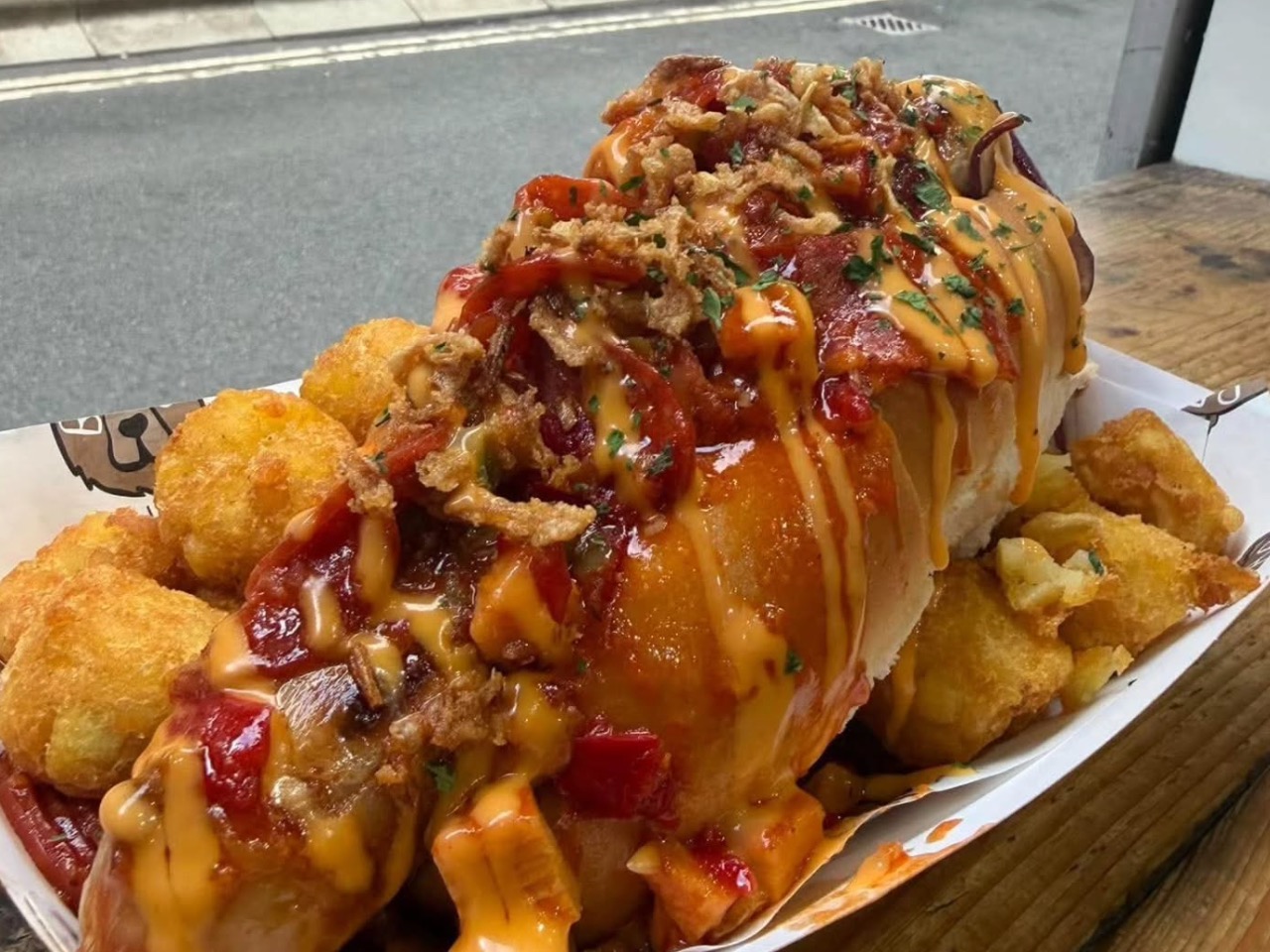
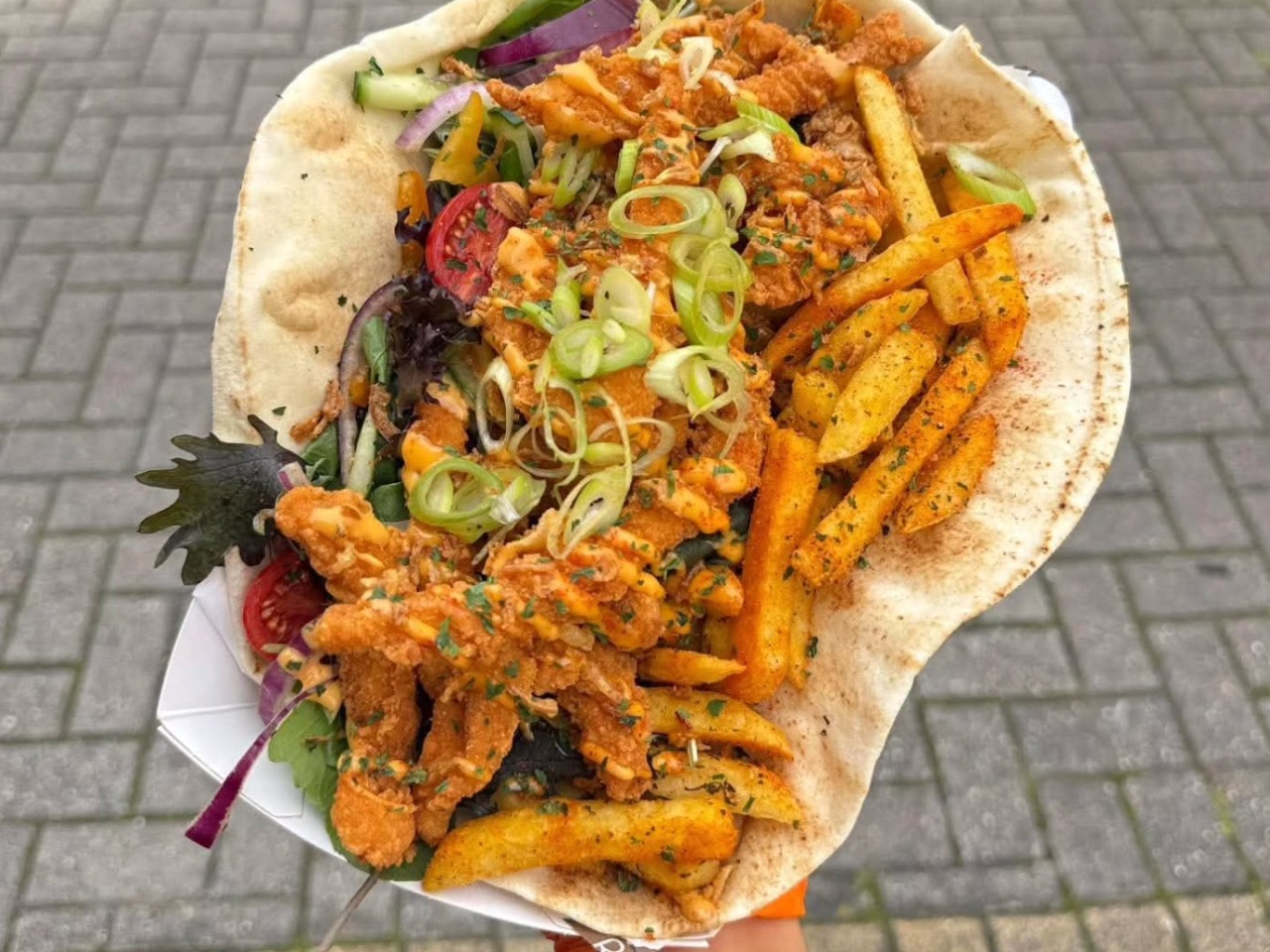
From a catering point of view, a walking lunch changes the rhythm completely. Instead of one big rush, food has to be available over a longer stretch as people peel away from set when they can. Hot food needs to stay hot and appealing for the whole period, and the menu works best when it’s quick to grab and easy to eat standing up. Flame-grilled burgers, wraps, pulled meats and loaded boxes are well suited to this, far more so than anything that needs a table and cutlery.
Whether a walking lunch is allowed, and on what terms, is set by your production’s agreements. Tell your caterer as early as possible if one is planned.
What is a second meal on set?
A second meal is an additional hot meal served when the shooting day runs significantly longer than planned or is scheduled as an extended day. It keeps the crew fuelled through the back end of a long shift.
Second meals are where a catering plan shows whether it was built for production. They tend to be confirmed late, sometimes on the day, and they arrive when everyone is tired. A caterer who can turn one round at short notice, with the same standard of food as lunch, makes a long day far more bearable for the crew.
When briefing a caterer, ask how much notice they need to provide a second meal and how they’ll handle it if the decision is made mid-afternoon.
Do film crews get fed on night shoots?
Yes. Night shoots follow the same principle as day shoots, with the meals shifted to match the call. Crew usually get a hot meal near the start of the shift and a main meal around the middle of the night, plus hot drinks throughout.
The menu matters more at night. People need food that’s warming and satisfying without being so heavy that it leaves them sluggish at 3am. Cold, wet locations add to that, as we explain in unit base catering for longer, colder nights. A hot meal served straight off a flame grill or out of a slow-cook oven does a lot for a crew standing in a field in November.
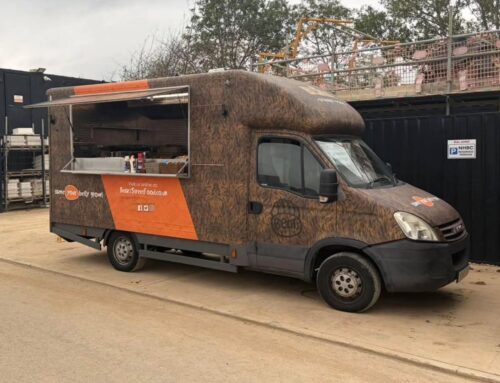
Night work also needs a caterer who’s genuinely set up for it. Bear’s runs a 24/7 service, with silent power and its own fresh water, so the unit can work through the night without disturbing sound or relying on site supplies.
Who feeds the crew on a film set?
The production books and pays for crew catering. On most shoots that means a unit caterer for the main hot meals, with tea, coffee and snacks handled throughout the day, either by the same caterer or by a separate craft service. The difference between the two is set out in craft service vs full unit base catering.
The unit caterer sets up at or near the unit base, which is the hub for vehicles, trailers and welfare facilities. Crew come to the catering unit for their main meals, and on location days the caterer moves with the base when the unit relocates. If you’re still choosing a unit caterer, see our questions to ask before booking a TV and film caterer.
How do you plan catering around a call sheet?
Start with the call times, the expected shooting hours and the locations, then share them with your caterer as early as possible. From there, a good caterer can map out when each meal will be served, how many people need feeding in each window and where the unit will sit at each location.
It helps to tell the caterer about anything unusual in advance: very early calls for prosthetics and SFX work, planned night work, a potential walking lunch, crowd days with extra headcount or a unit move mid-day. Not everything will be known at the start, but the more the caterer knows, the less likely a break is to overrun.
Then keep them on the distribution list for the call sheet. A caterer who sees every change at the same time as the rest of the unit can adjust without anyone needing to chase them.
Plan your crew catering with Bear’s
If you’re scheduling a shoot and want a catering plan that follows your call sheet, from early breakfasts to second meals and nights, we’d be glad to help.
Contact Bear’s Street Food with your shoot dates, call times and approximate crew size.