The most reliable way to keep catering costs predictable on a long-running production is to book one caterer for the full shoot, on an agreed basis, rather than sourcing catering block by block. A single contract catering partner means one set of terms, consistent planning assumptions and far fewer surprises in the cost report.
On a series or a long feature, catering is one of the few costs that recurs every single shooting day. Small variations add up quickly. If you’re budgeting TV & Film catering for a shoot that runs for weeks or months, here’s why a contract approach tends to make the numbers easier to manage.
Why do catering costs drift on long productions?
Mostly because the arrangement changes more often than the shoot does. When catering is booked in short blocks, every new block is a new negotiation. Availability changes, especially in busy periods like the Q4 production crunch, terms change and sometimes the caterer changes too. Each switch brings fresh paperwork, a new set-up and a new team learning how the unit works.
Short-notice extras are the other source of drift. Second meals, crowd days and unexpected unit moves are part of any long shoot. If there’s no agreed way of handling them, each one is priced in the moment, under pressure and without much room to compare.
Neither problem is about the food. It’s about not having a settled arrangement for the length of the production.
What is a contract catering partner on a production?
It’s a caterer engaged for the whole shoot, or a defined long stretch of it, on terms agreed at the start. Rather than quoting day by day or week by week, the caterer and production agree how services will be provided and charged across the schedule, including how changes are handled.
Whatever the exact terms, the aim is the same: the same team, the same standards and the same paperwork from the first day to the last. It’s worth asking any prospective caterer whether they can work on this basis and how they would structure it for your schedule, alongside the other questions to ask before booking a TV and film caterer.
What drives catering costs on a long shoot?
The biggest drivers are crew size and the number of services per day. A day with breakfast and lunch is a different proposition from one with breakfast, lunch and a second meal, and a unit of eighty is very different from a unit of three hundred. For a fuller breakdown, see what affects TV and film catering costs.
Beyond those, shoot length, the number of unit moves, how remote the locations are and how varied the menu needs to be all play a part. Crowd days, where extra supporting artists need feeding, add significant volume on specific dates. Night shoots can change the pattern of services entirely.
None of these are fixed at the start of a long production, but most can be estimated. The point of a contract arrangement is to agree, in advance, how each of them will be handled when it changes.
How does a single partner make costs more predictable?
It replaces a series of one-off decisions with a single agreed approach. Once the basis is set, the production can forecast catering against the schedule with confidence, and changes are handled by an agreed process rather than a new negotiation.
There are practical benefits as well. A caterer on the full shoot gets to know the unit: its rhythms, its regular dietary needs, the way the first assistant director likes breaks to run. That knowledge reduces waste and avoids over-catering on quieter days. It also means one set of RAMS and insurance documents covering the whole production, rather than a fresh pack every time the caterer changes.
What should you agree with a catering partner up front?
Start with how standard shooting days will be catered and charged. Then cover how extras are handled, especially second meals, crowd days, night shoots and short-notice changes to service times. Agree how unit moves and travel between locations are treated, how headcount changes are communicated and by when, and how dietary requirements are managed across the shoot. Finally, confirm review points, so the arrangement can be adjusted if the schedule changes significantly.
It’s the extras that cause most budget surprises. Getting them agreed before the first day of principal photography is the single most useful thing a production can do.
Won’t the crew get tired of the same food?
Not if the menu is planned for a long run. Menu fatigue is a real risk on long shoots, but it comes from a caterer rotating the same few dishes, not from having one caterer.
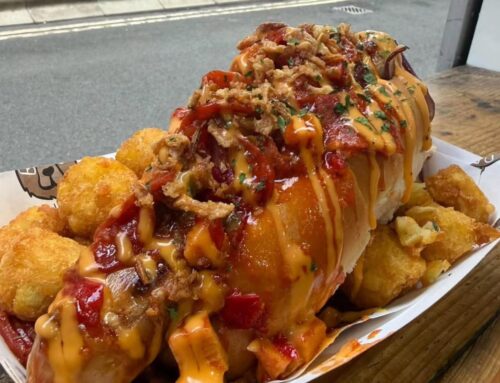
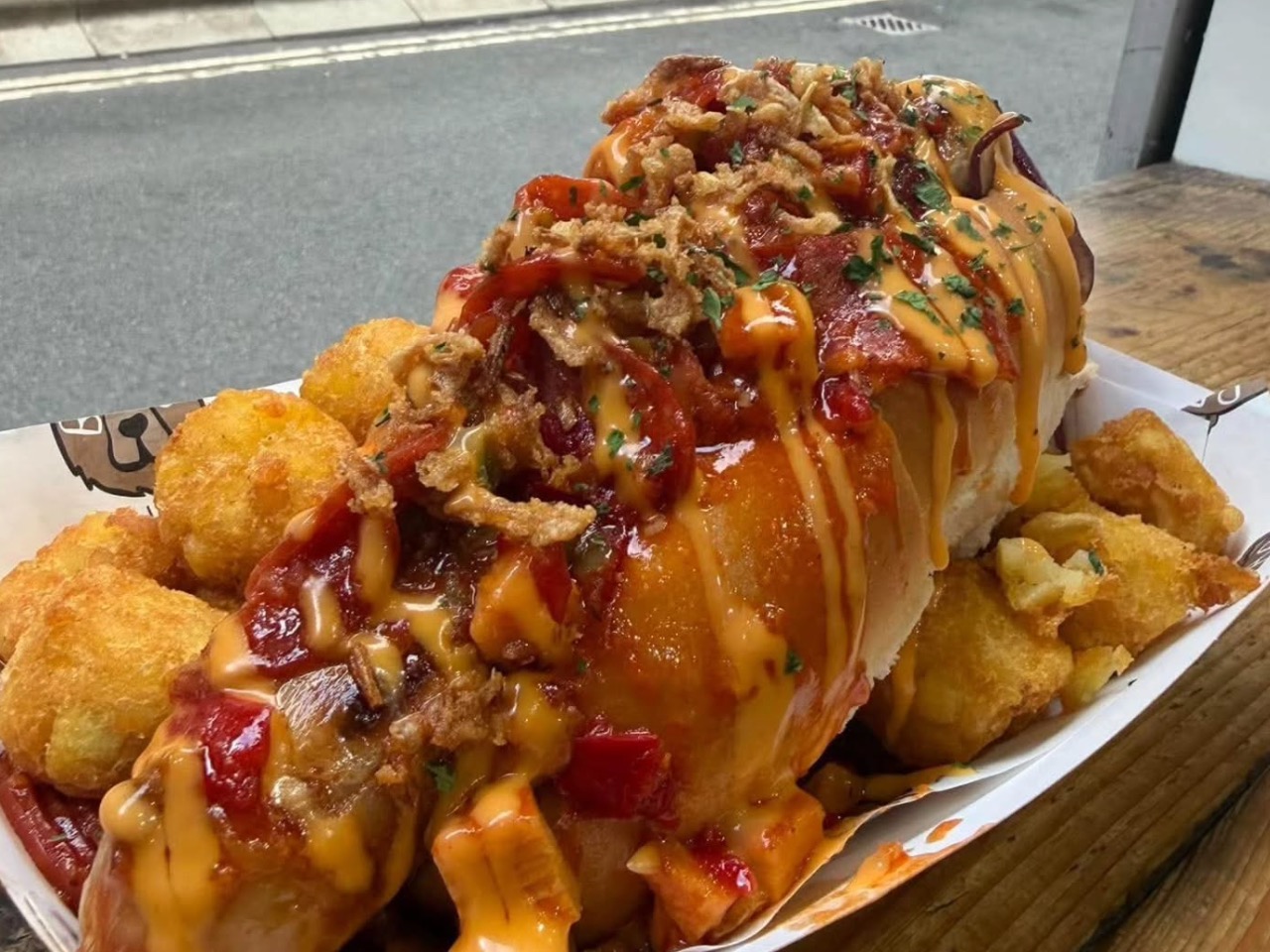
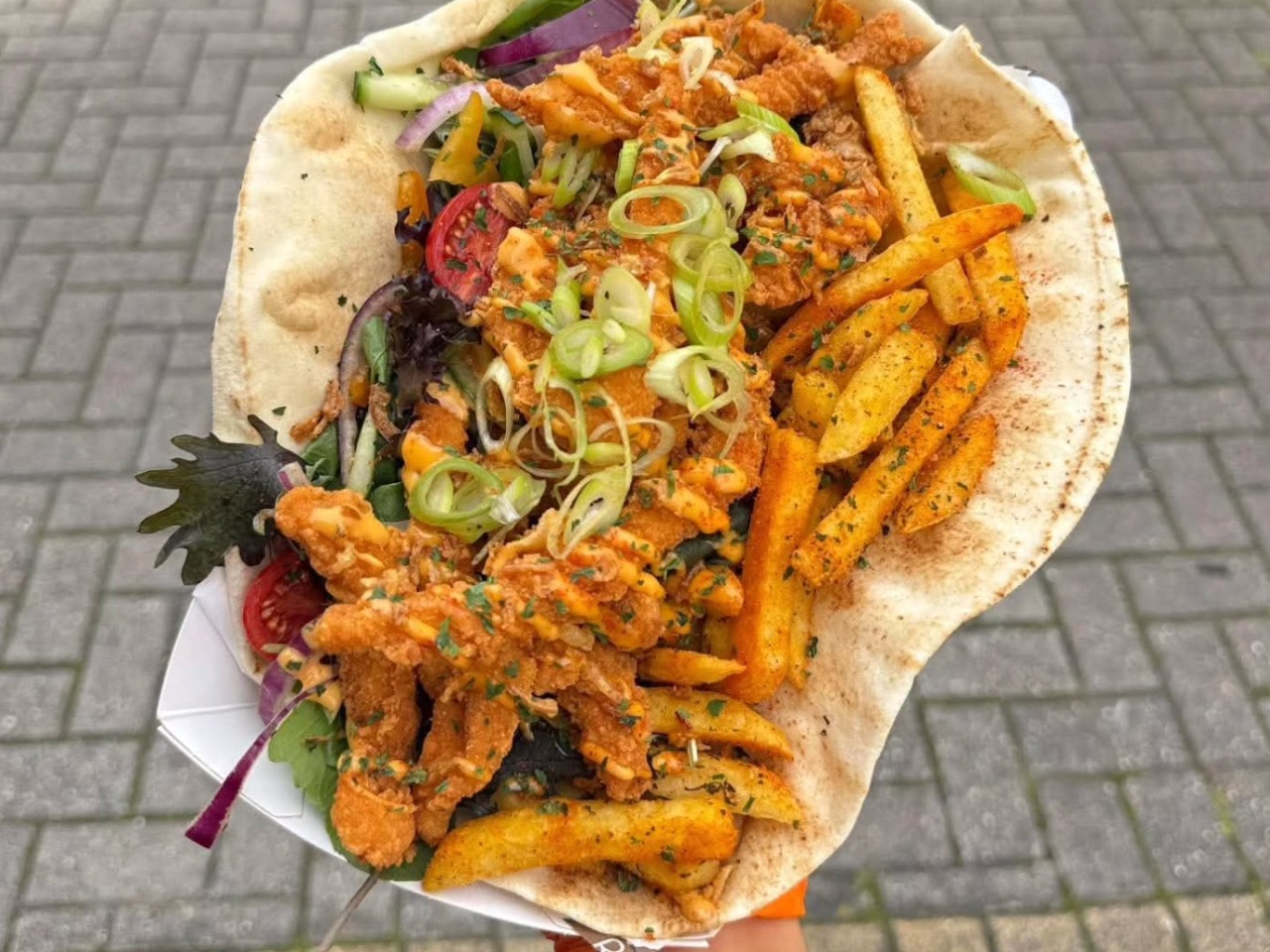
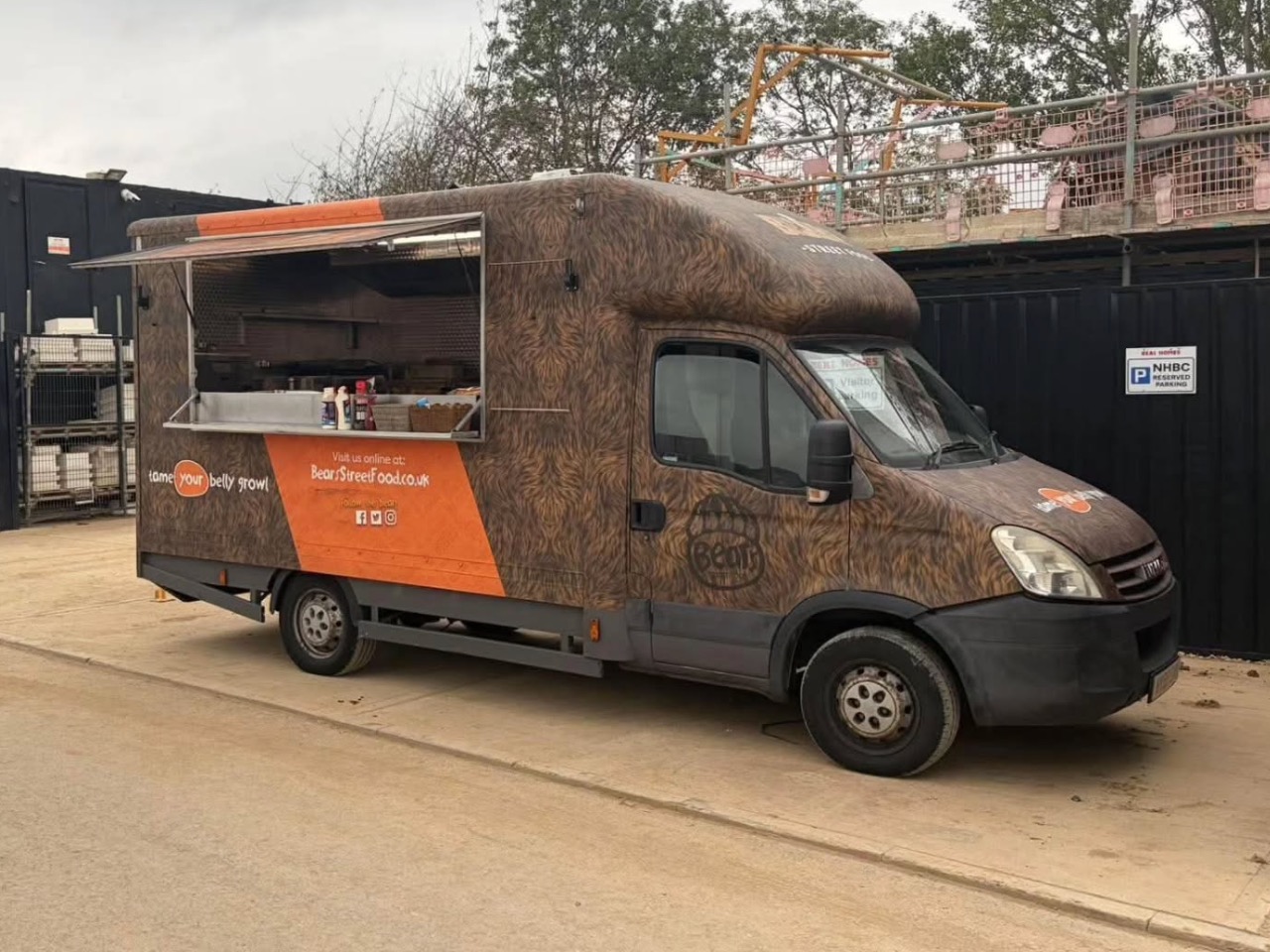
Bear’s range runs from flame-grilled burgers and wood-fired pizza to slow-cooked pulled meats, curries and rice dishes, with vegan, gluten-free and halal options throughout. That gives plenty of room to rotate across weeks without repeating too often. It’s worth asking any prospective partner how they’ll vary the menu over the length of your shoot. Series schedules tend to test this more than features, as we explain in how catering differs between series and feature productions.
Is a contract partner right for every production?
No. A two-day commercial or a short pick-up shoot doesn’t need a long-term arrangement. Contract catering earns its value on series, long features and productions with multiple blocks, where the number of shooting days is high enough for consistency and forecasting to make a real difference.
If your shoot sits in that category, it’s worth having the conversation before you start booking catering block by block.
Talk to us about your production
If you’re budgeting catering for a long-running shoot, we’re happy to talk through your schedule and how catering could be planned across it.
Contact Bear’s Street Food with your shoot length, crew size and locations.