Workplace canteen catering isn’t sold off a fixed price list. What you pay comes down to your headcount, how often you need us on site, the menu you pick, and how straightforward your location is to get to and set up on. A one-off Friday takeover and a daily contract feeding 400 people sit at opposite ends of that range.
If you’re weighing up workplace canteen catering for a business park, an industrial site or a corporate hub, this guide runs through the things that actually move the price, so you can budget properly and compare quotes on a like-for-like basis.
We’ve run canteen services on everything from tight city-centre car parks to remote units with no power or water for miles around. The pattern is always the same: the sites that plan around a few key details get a sharper quote and a smoother service on the day.
What affects the price of office catering?
A handful of things do most of the work here.
The big one is headcount, and how predictable it is. Feeding a steady 150 people a day is far easier to plan and price than a number that swings between 60 and 300 from one week to the next. The more you can tell us about your real footfall, the tighter the costing.
Frequency matters nearly as much. A weekly Street Food Friday is priced differently to a five-day-a-week presence, and regular contracted service usually works out at better value per visit than ad-hoc bookings, because everything from staffing to stock can be sorted in advance.
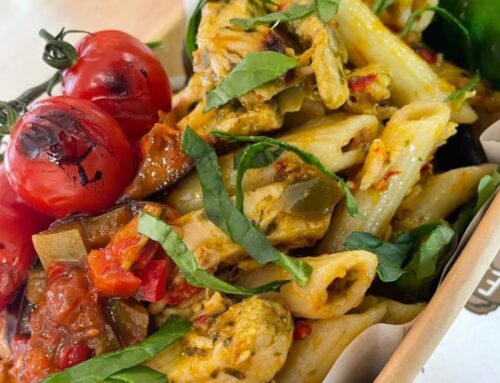
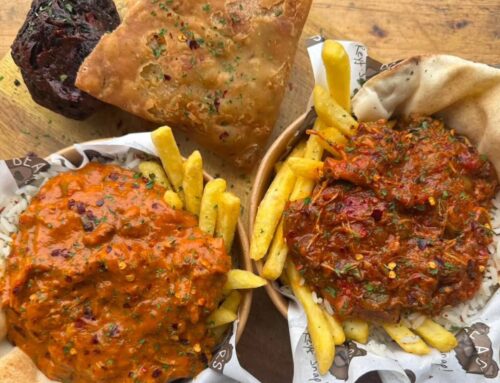
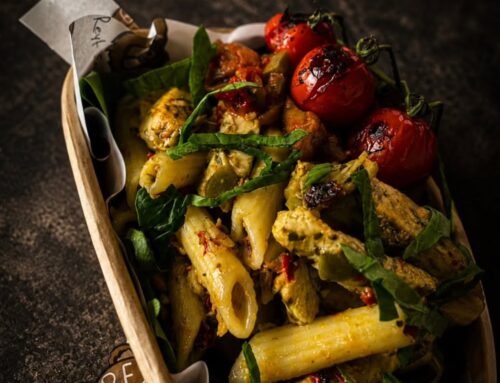
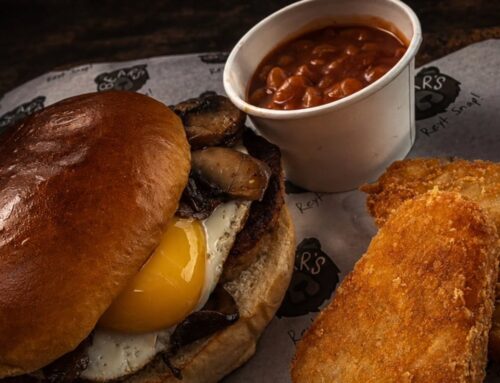
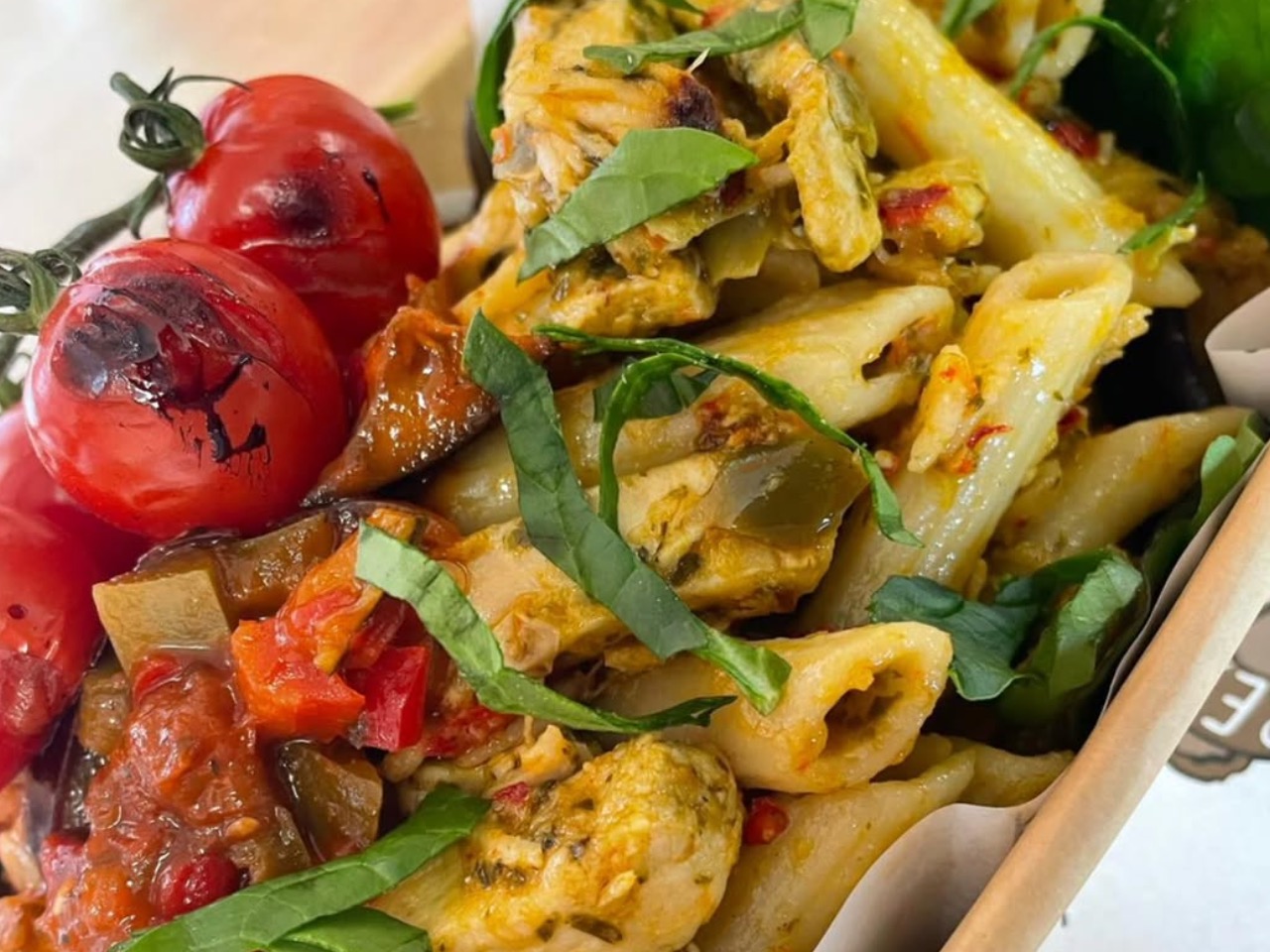
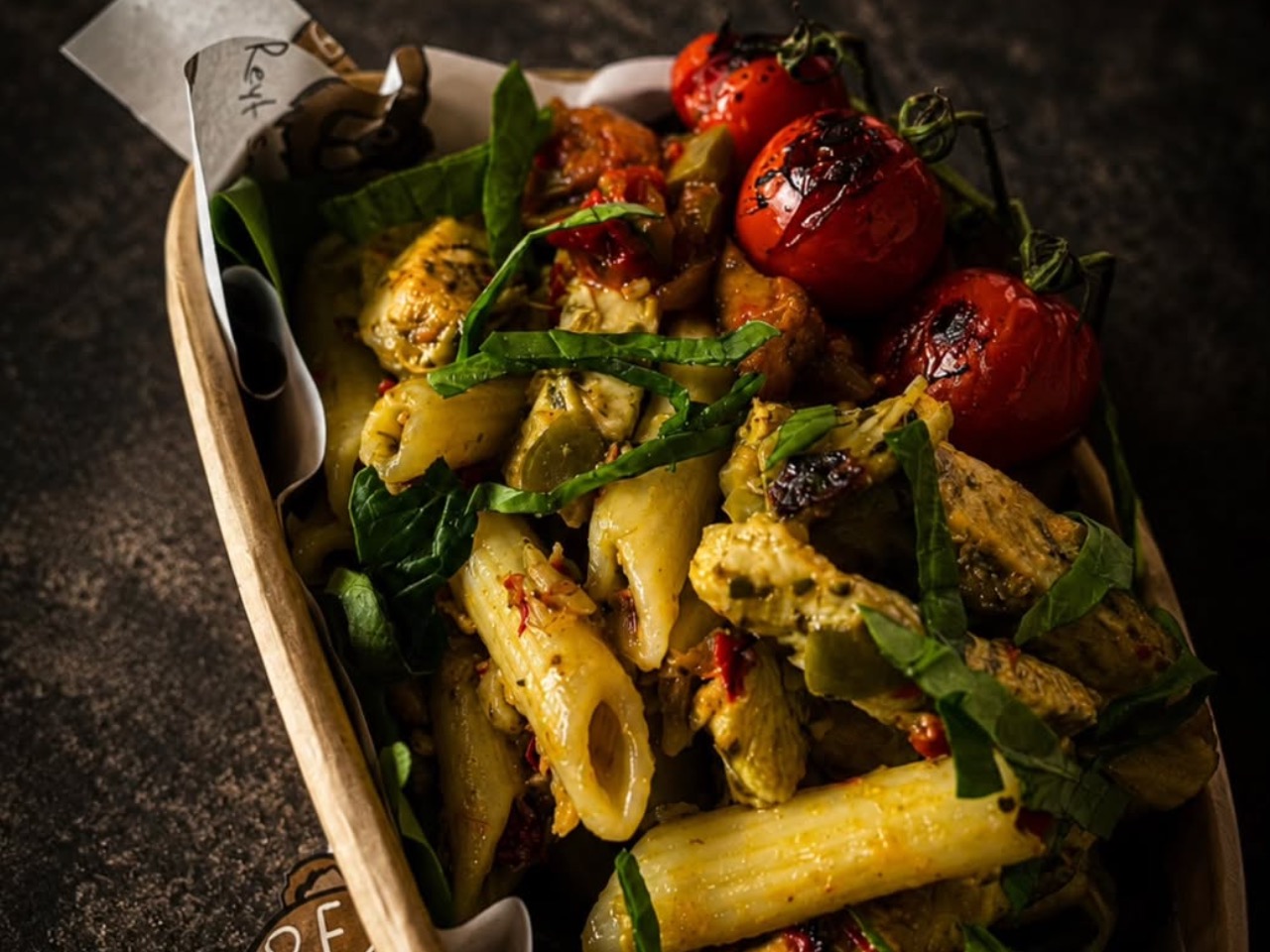
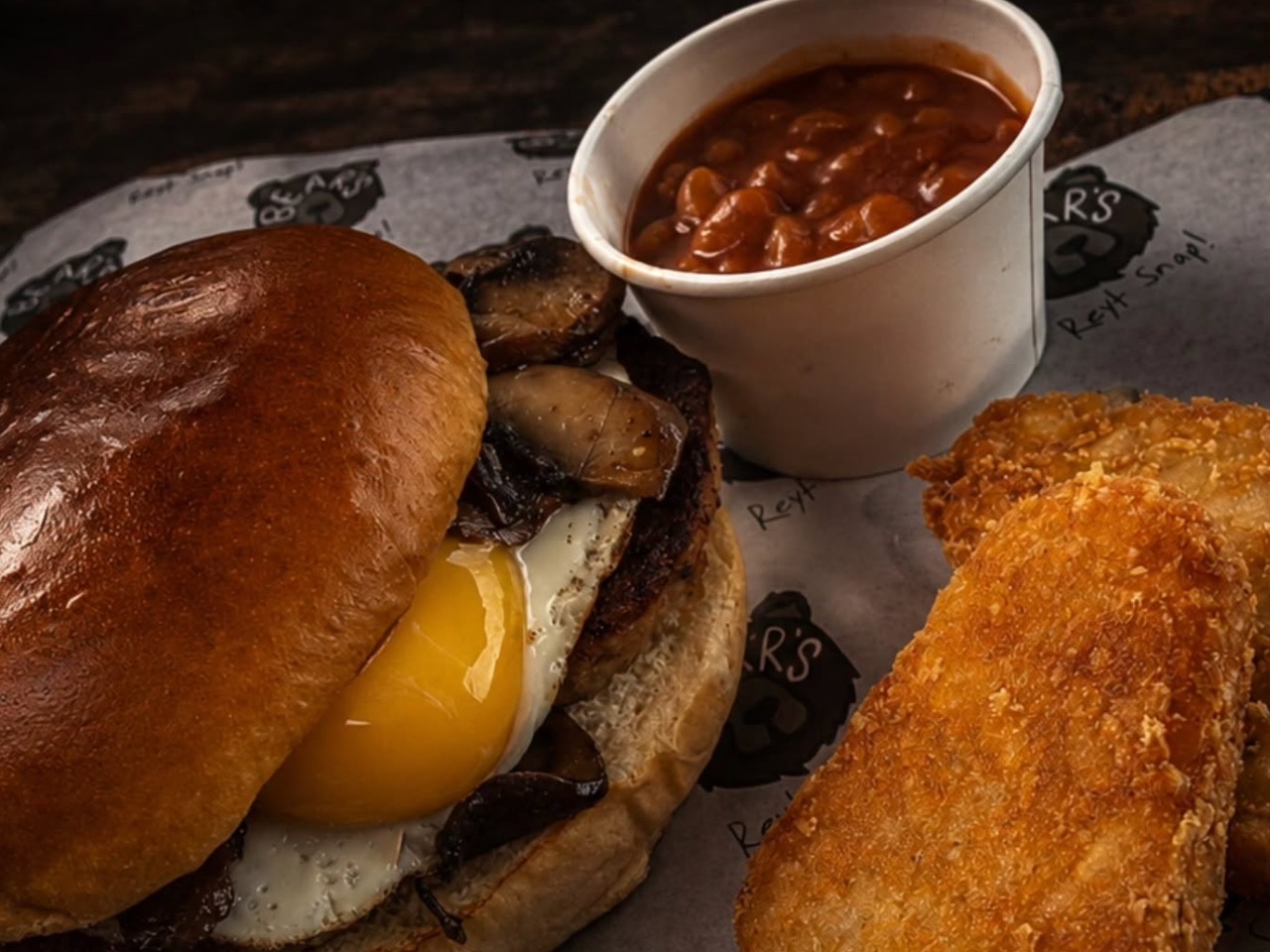
Then there’s the menu. Wood-fired pizza, flame-grilled burgers, curries, loaded fries and Yorkshire pudding wraps all carry different food and prep costs, so a pared-back core menu will price differently to a rotating spread with several hot options and dietary alternatives running alongside each other.
Site access changes things, too. Can we park near where people eat? Is there a firm, level surface to set up on? A yard with easy vehicle access is quicker to work than a site where kit has to be carried across a compound, and that time shows up in the quote.
Self-sufficiency is the last big one. If your site has no usable power or water, we bring our own silent generators and fresh water. That independence is often the whole reason a site hires us, so it’s worth weighing when you compare us against a fixed option. Service hours then sit on top of all of this: covering breakfast, lunch and a late shift changeover is a longer day than a single lunch rush, and those hours feed straight into the cost.
How much does corporate catering cost per head?
There’s no honest single figure, and anyone quoting one before they’ve seen your site is guessing.
Per-head cost falls as volume and regularity go up. A large, steady daily headcount spreads the fixed cost of getting a fully equipped unit to your door, so each meal costs less. A small, irregular booking spreads more of that fixed cost across fewer people.
The menu you choose sits on top of that. A straightforward hot main lands differently to a premium spread with several stations going at once. Dietary spread plays a part as well: if a large share of your team needs vegan, halal or allergen-safe food prepared separately, that shapes both prep time and stock.
The most useful thing you can hand a caterer for an accurate per-head price is an honest headcount, your service days and the sort of menu you’re after. From there you get a real number rather than a placeholder.
What’s the difference between a subsidised and a zero-subsidy canteen?
This one catches a lot of buyers out, so it’s worth being clear about.
A subsidised canteen is one your business pays into. You cover some or all of the cost so staff pay less, or nothing, at the till. It’s a staff benefit, and it shows up as a line on your budget every month.
A zero-subsidy model works the other way round. Your people buy their own food at the point of sale, and the service runs at no direct catering cost to the business. You provide the space and the footfall; we provide the kitchen, the staff and the food. For a lot of business parks and industrial sites, this is the appeal: a proper hot food offer for the team without a standing cost on the books.
Many sites land somewhere in between, where the employer covers one day a week or picks up breakfast and the rest runs pay-as-you-go. Which model suits you depends on whether you’re treating catering as a perk, a retention tool, or simply a service you want available on site.
Can you have a canteen without a kitchen?
Yes, and for many of the sites we work with, that’s the exact reason they call us in the first place.
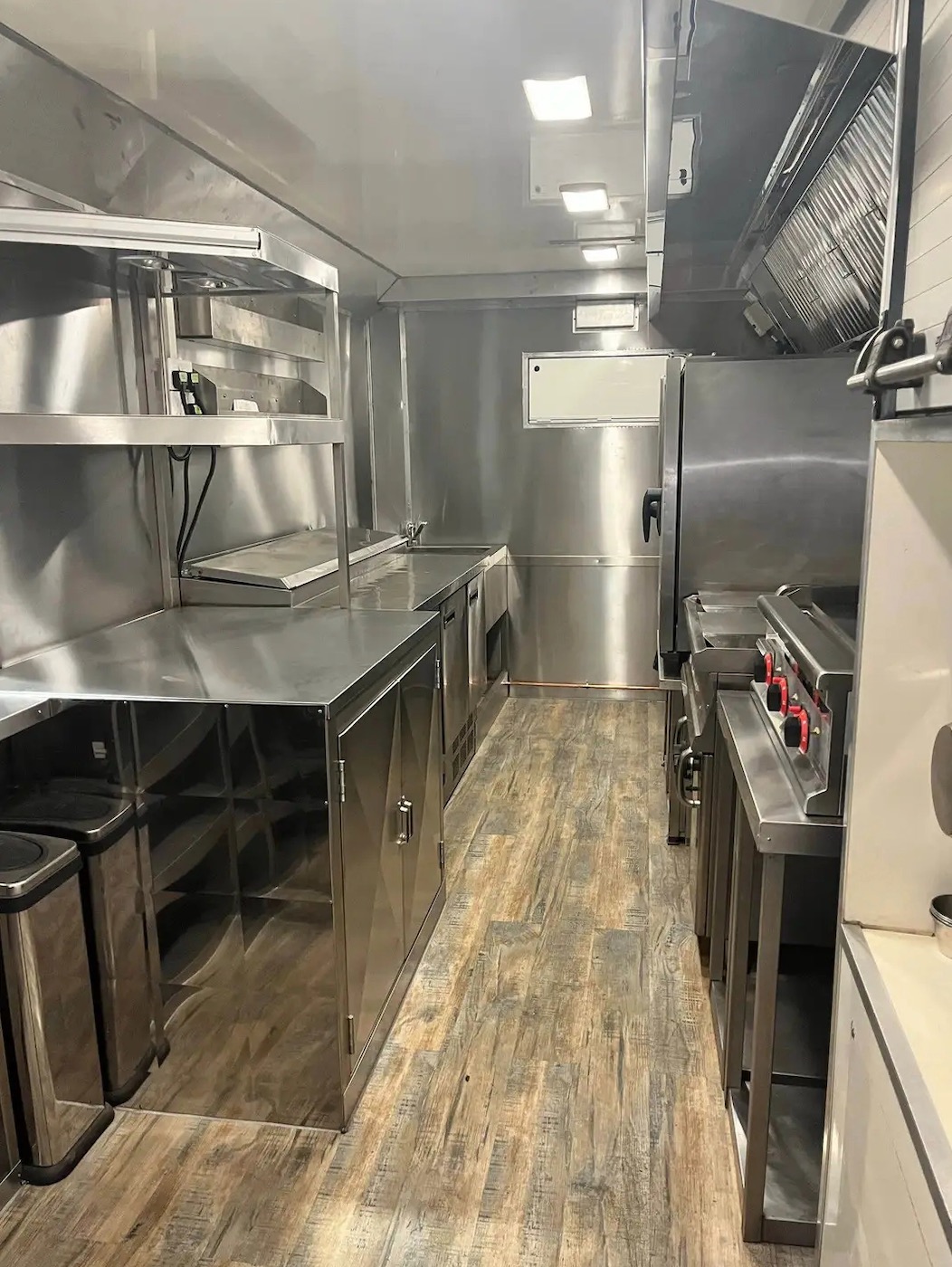
A mobile canteen brings the full kitchen with it. We arrive with our own cooking equipment, power and water, set up, serve hot food cooked fresh, and leave the site as we found it. There’s no fixed kitchen to build, staff, maintain, insure or bring up to standard, and no capital outlay to get going.
That changes the numbers for a lot of organisations. Building and running an in-house canteen is a long commitment with rent, equipment, maintenance and staffing attached to it. A mobile service gives you the hot-food offer without owning any of that. It flexes, too: if your headcount shifts or you open a second site, the service moves with you rather than sitting as a fixed cost in one building.
Is a workplace canteen worth it?
The cheapest option and the right option aren’t always the same thing, and this is where it pays to look past the headline number.
A good canteen service does more than fill people up. It keeps staff on site over lunch instead of scattering to the nearest town, which matters if you’re trying to protect afternoon productivity or encourage people in on office days. Fresh, hot food is a perk staff notice, and it’s one of the simpler ways to make a site somewhere people don’t mind coming to.
There’s a reliability angle as well. When we commit to a site, we turn up and serve on time, through the cold and wet months as much as the summer. For a facilities or HR team, a catering partner who doesn’t let them down is worth far more than a rock-bottom quote from someone who might not show in January.
So the question isn’t only what it costs. It’s what a dependable, quality food offer does for attendance, morale and the working day, set against a price that reflects proper food cooked fresh on your own site.
Getting an accurate quote
Every site is different, so we quote on the specifics rather than a menu card. Tell us your headcount, the days and hours you’d want service, a rough idea of the menu, and a little about site access, and we can give you a clear, honest costing.
Request a quote for workplace canteen catering and we’ll take it from there.