Street food works well for Q4 client hospitality because it’s relaxed, sociable and memorable, while still feeling professional. For open days, customer events and site tours, a self-sufficient catering unit can serve guests on your own premises without a kitchen, giving clients a reason to linger and talk.
The last quarter is when many businesses thank their customers, show off new facilities or start conversations about next year. If you’re planning one of these events, corporate events catering that brings food to your site can do much of the work of making guests feel welcome. Here’s how to approach it.
Why host client events in Q4?
Because it’s a natural moment to look back on the year and ahead to the next. Clients are reviewing suppliers, setting budgets and making plans, so an event that strengthens the relationship lands at exactly the right time.
It’s also a chance to get ahead of December. Once the Christmas party season starts, diaries fill up and invitations get lost. A client event in October or November stands out more than one competing with a dozen festive invitations.
What kinds of client events suit street food?
Most informal or semi-formal events where people are standing, moving around and talking. Open days and site tours, customer appreciation events, product launches, partner days and new facility openings all work well.
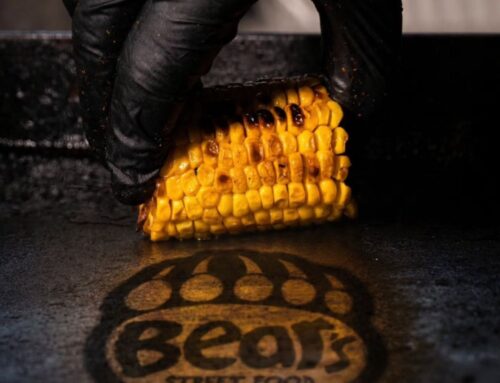
The common thread is that the event is about conversation, not a seated meal. Street food lets guests eat while they mingle, which keeps the energy up and stops the room splitting into fixed tables. It also gives a natural focal point, since a serving hatch with food coming off a flame grill or out of a wood-fired oven draws people together.
If your event is tied to a new site or a move, our guide to catering an office move or new site launch covers the practical side.
Is street food professional enough for clients?
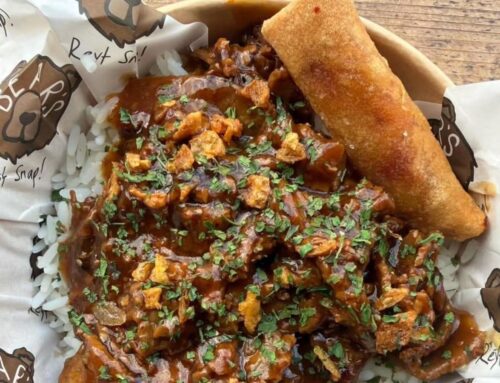
Yes, provided the caterer runs a professional operation. Street food today is far removed from the image of a roadside burger van. Freshly cooked, good-quality food served from a well-presented unit makes a strong impression, often stronger than a predictable buffet.
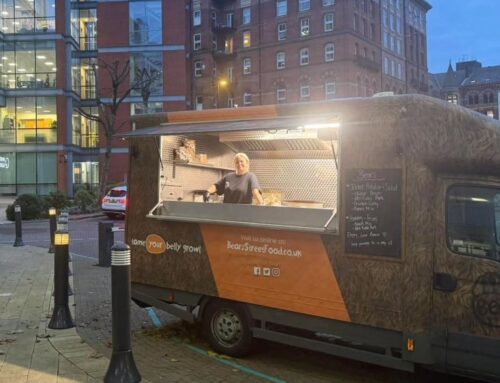
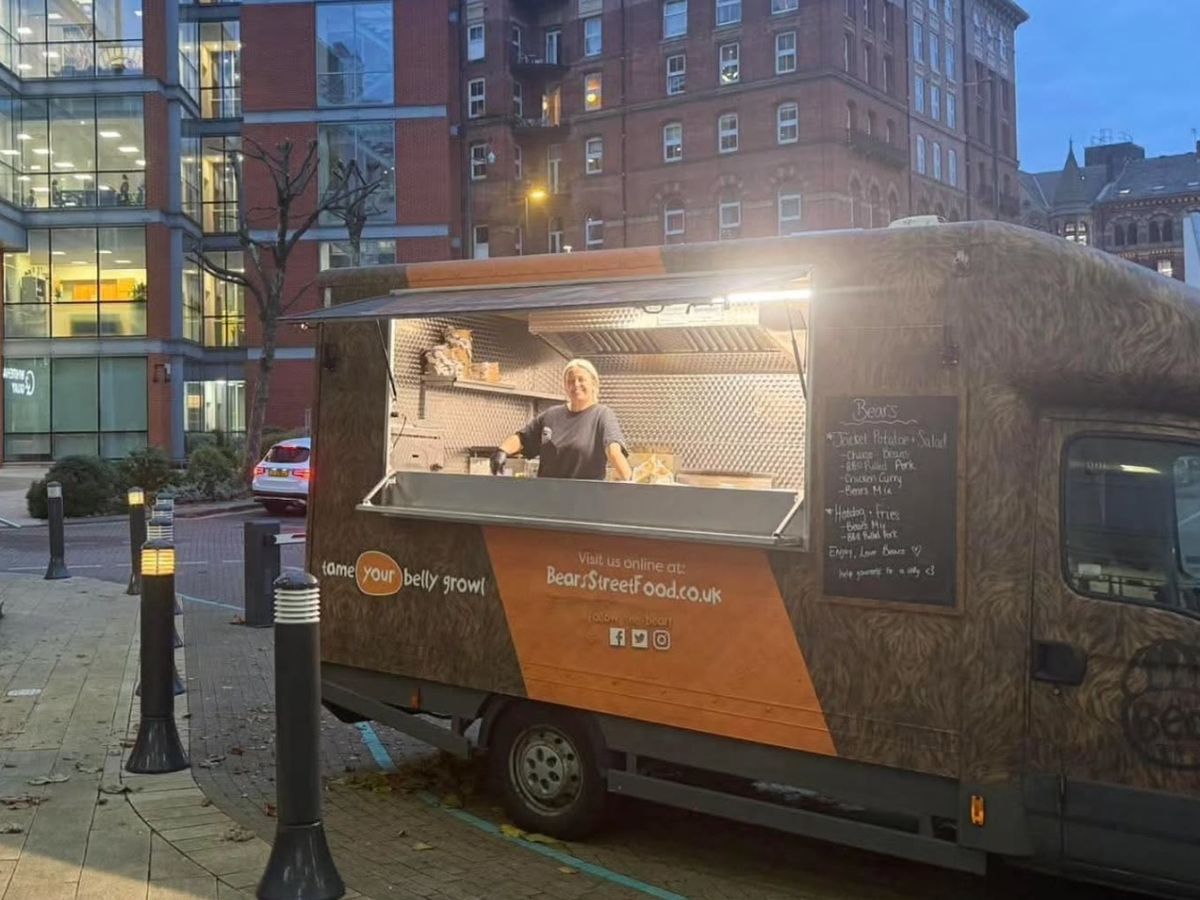
Presentation matters. Bear’s operates professional, branded set-ups that reflect the quality of the event, and the live cooking gives guests something to watch and talk about. For many clients, a relaxed meal from a street food hatch breaks the ice far more effectively than a formal sit-down dinner.
What food should you serve to clients?
A focused menu with real choice, food that’s easy to eat while talking and something sweet to finish. Guests at a client event want to hold a conversation, not wrestle with their food, so dishes they can eat neatly while standing work best.
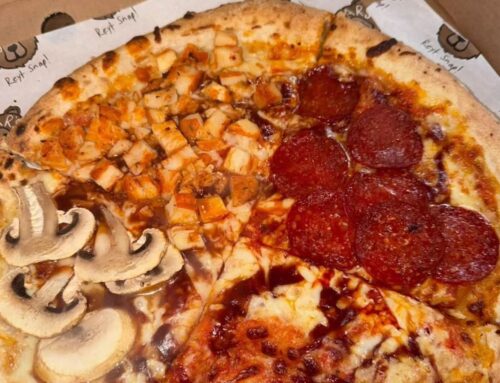
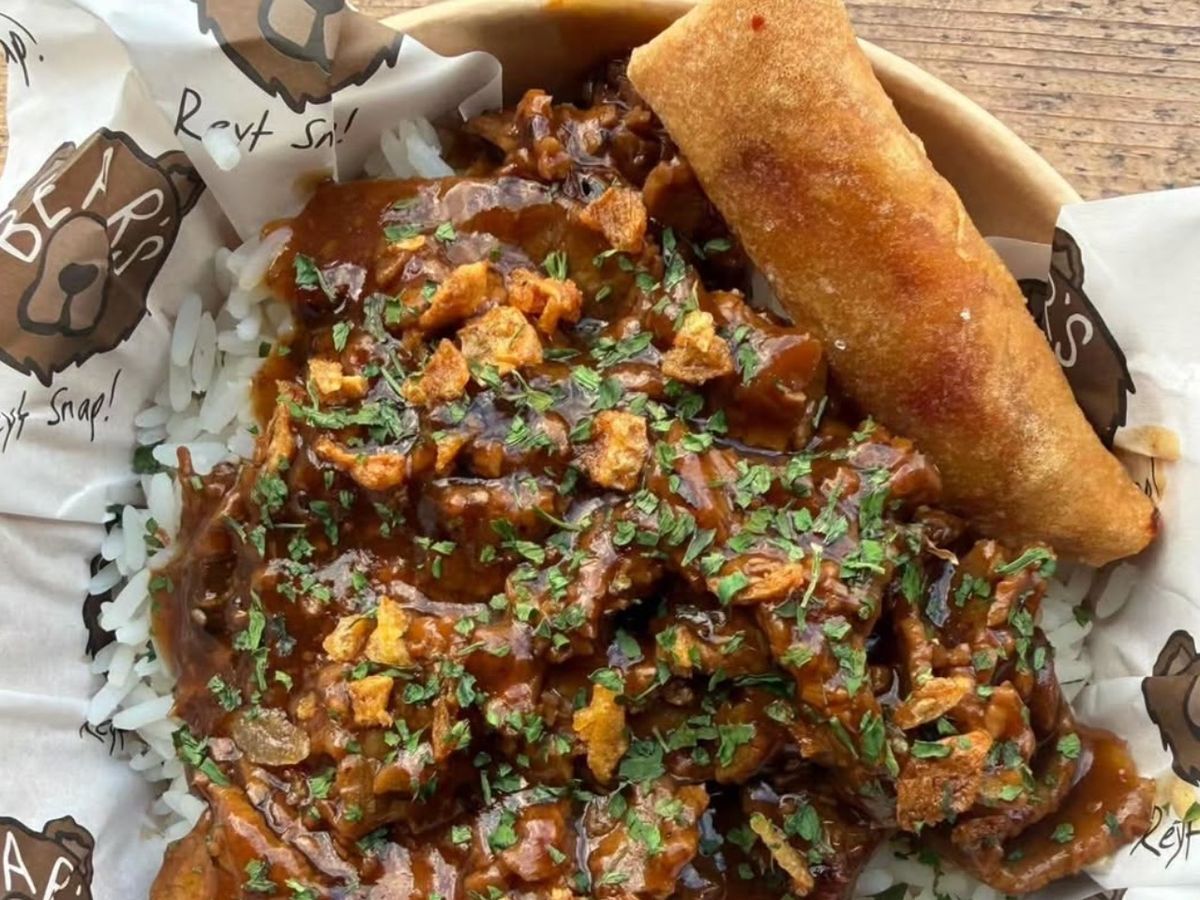
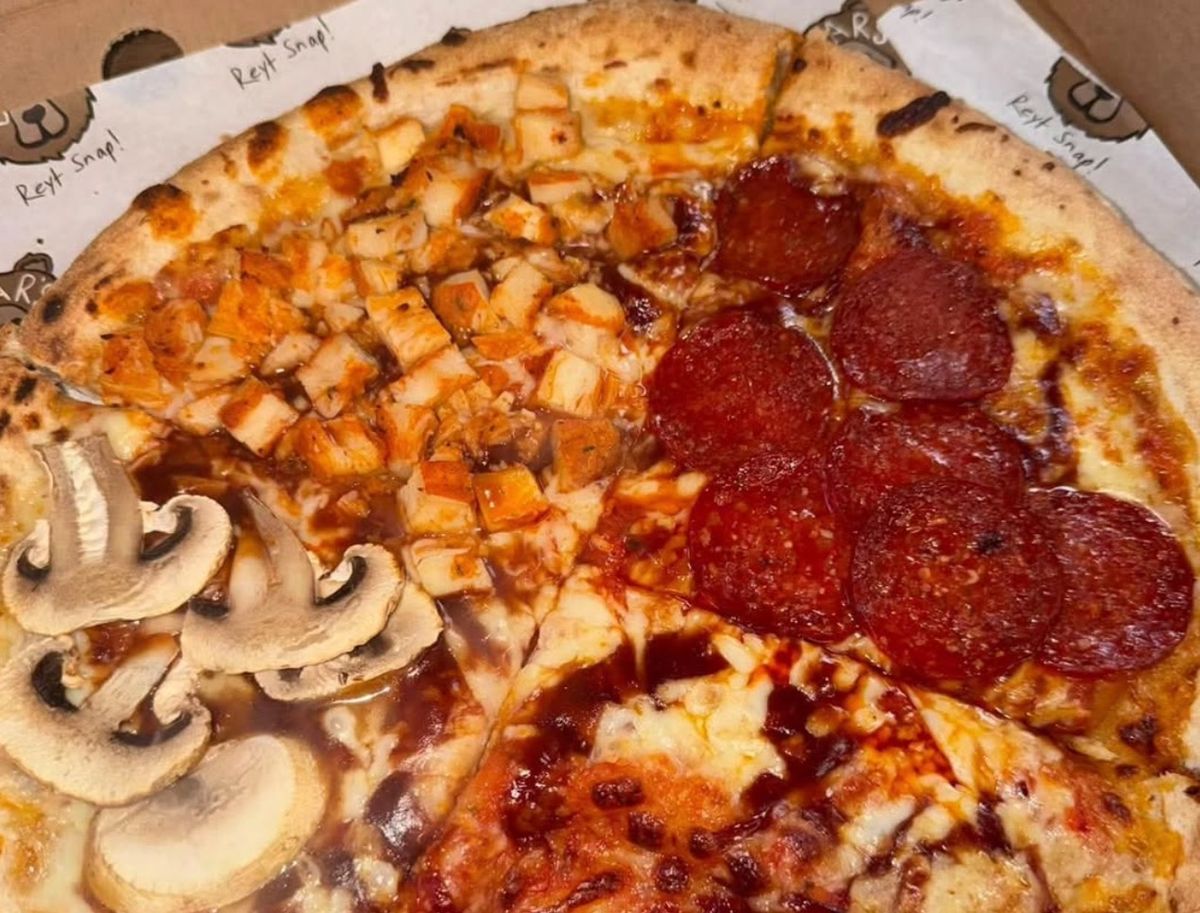
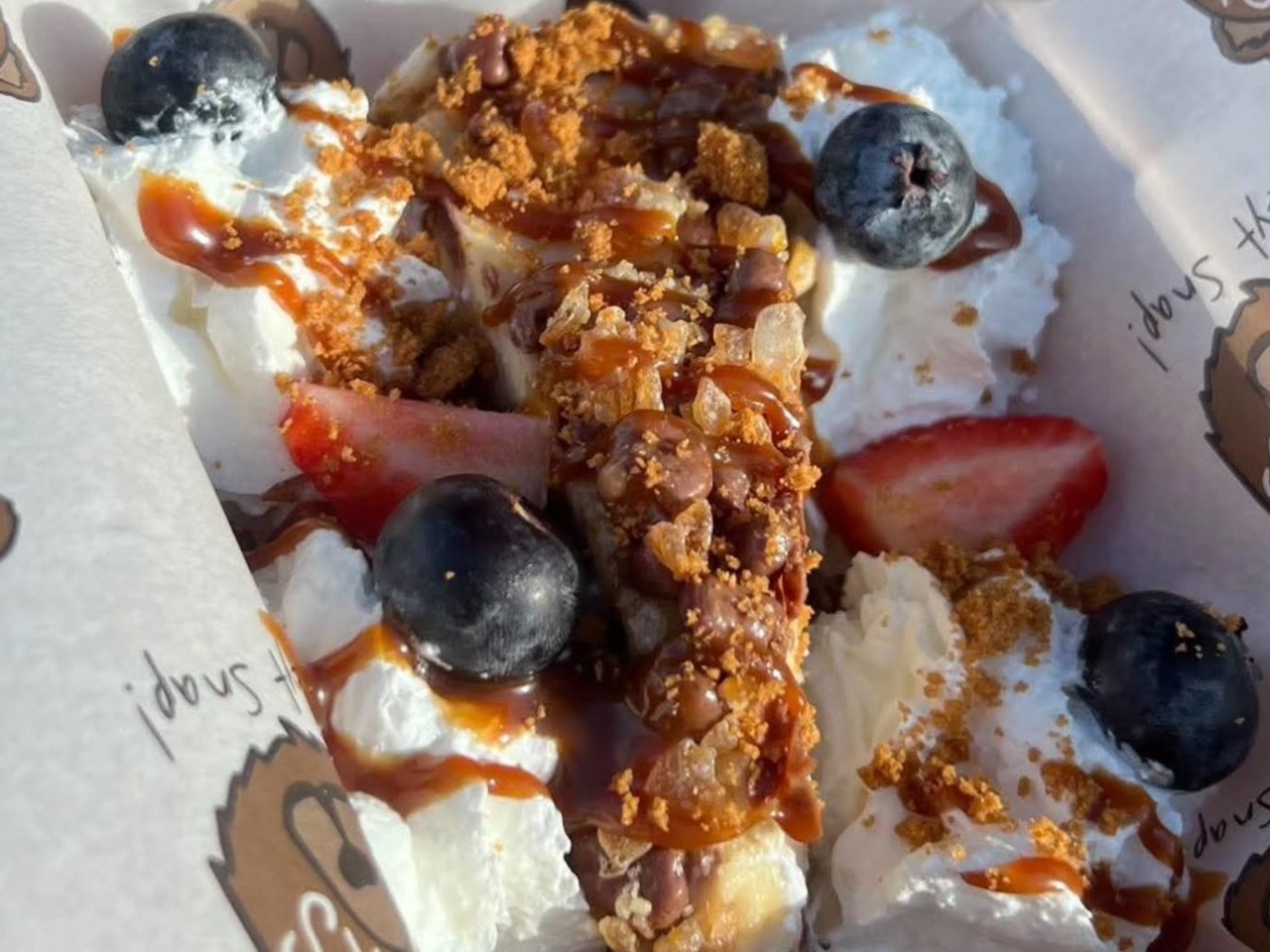
Wood-fired pizza, flame-grilled burgers and slow-cooked pulled meats all fit the bill. A dessert such as a loaded brownie or a cream-and-berry dish gives the event a generous finish.
Plan carefully for dietary needs. Client lists are more varied than staff lists, and you won’t always know guests’ requirements in advance. Ask about dietary needs when you send invitations, and make sure vegan, gluten-free and halal options are on the menu. Bear’s includes these as standard.
How do you cater an open day or site tour?
Plan the food around the flow of the day. If guests arrive in groups for scheduled tours, a rolling service that runs throughout the event means each group can eat when their tour finishes, rather than everyone being fed at once.
Position the unit close to reception or the main gathering point, so guests find it naturally. If the tour takes people outside, think about shelter for eating on a cold or wet day. Bear’s units bring their own silent power and fresh water, so you can place them wherever suits the event rather than wherever there’s a socket.
What practical details need sorting before the event?
Agree the catering position with your facilities team, confirm access for the vehicle and check whether your landlord or site owner needs to approve it. Your health and safety team will also want the caterer’s risk assessment and method statement (RAMS) and insurance documents.
Then think about timings and numbers. Client events often have less predictable attendance than staff events, so give the caterer a realistic range and agree when final numbers are needed.
How do client events fit with the rest of the season?
Ideally, they sit before the Christmas rush. Many businesses run a client event in the autumn and the office Christmas party in December, and planning both together makes sense. An early November evening event could even be built around a Bonfire Night gathering, which gives clients a seasonal reason to attend.
What affects the cost of client hospitality catering?
Guest numbers, menu choices, service length and the number of units needed are the main factors. A longer, rolling service across a full open day involves more staff time than a single serving window, and larger events may need more than one unit.
When comparing options, look at the value of the event as a whole. Hosting on your own site removes venue costs, and the experience you give clients is what they’ll remember.
Plan your client event with Bear’s
If you’re planning an open day, customer event or site tour this autumn, tell us your date, numbers and site, and we’ll put together a plan.
Contact Bear’s Street Food to talk about catering for your client event.