The final quarter of the year is when most businesses set budgets for the next one, and if catering is on the list, it helps to understand what shapes the cost before you commit to a number. Contract office catering isn’t priced off a menu card. What you pay depends on your headcount, how often you need service, the menu, the service hours and how easy your site is to set up.
If you’re weighing up office catering for next year, this piece breaks down the factors that move the cost, how a contract compares with a one-off booking and how to get a figure you can budget around. There are no set prices here, because an honest quote depends on your specifics, but there is a clear picture of what drives them.
We quote on the details rather than a rate card, and the sites that get the tightest, most useful figure are the ones that come to the conversation knowing their headcount, their days and a bit about their setup.
How much does contract office catering cost?
There’s no flat rate, and any caterer quoting one before they’ve seen your requirements is guessing. The cost is built around your operation, so a realistic figure needs a few details first.
This isn’t caterers being evasive. Feeding a steady 300-person site five days a week and running a single Street Food Friday for a small office are completely different jobs, and one price couldn’t fairly cover both. The useful question isn’t “what’s the rate,” it’s “what determines the rate,” because once you understand the drivers you can estimate sensibly and brief suppliers properly.
What factors affect the cost of office catering?
A handful of things do most of the work: headcount, frequency, the menu, service hours and site access. Each one moves the figure, and together they explain almost all the difference between quotes.
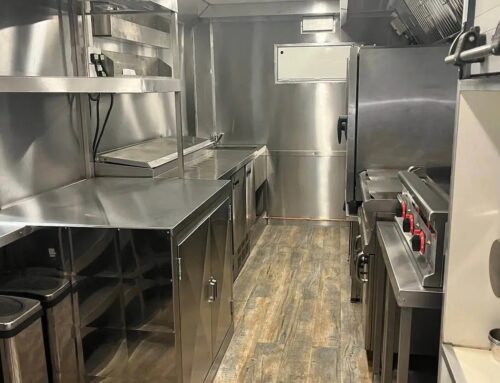
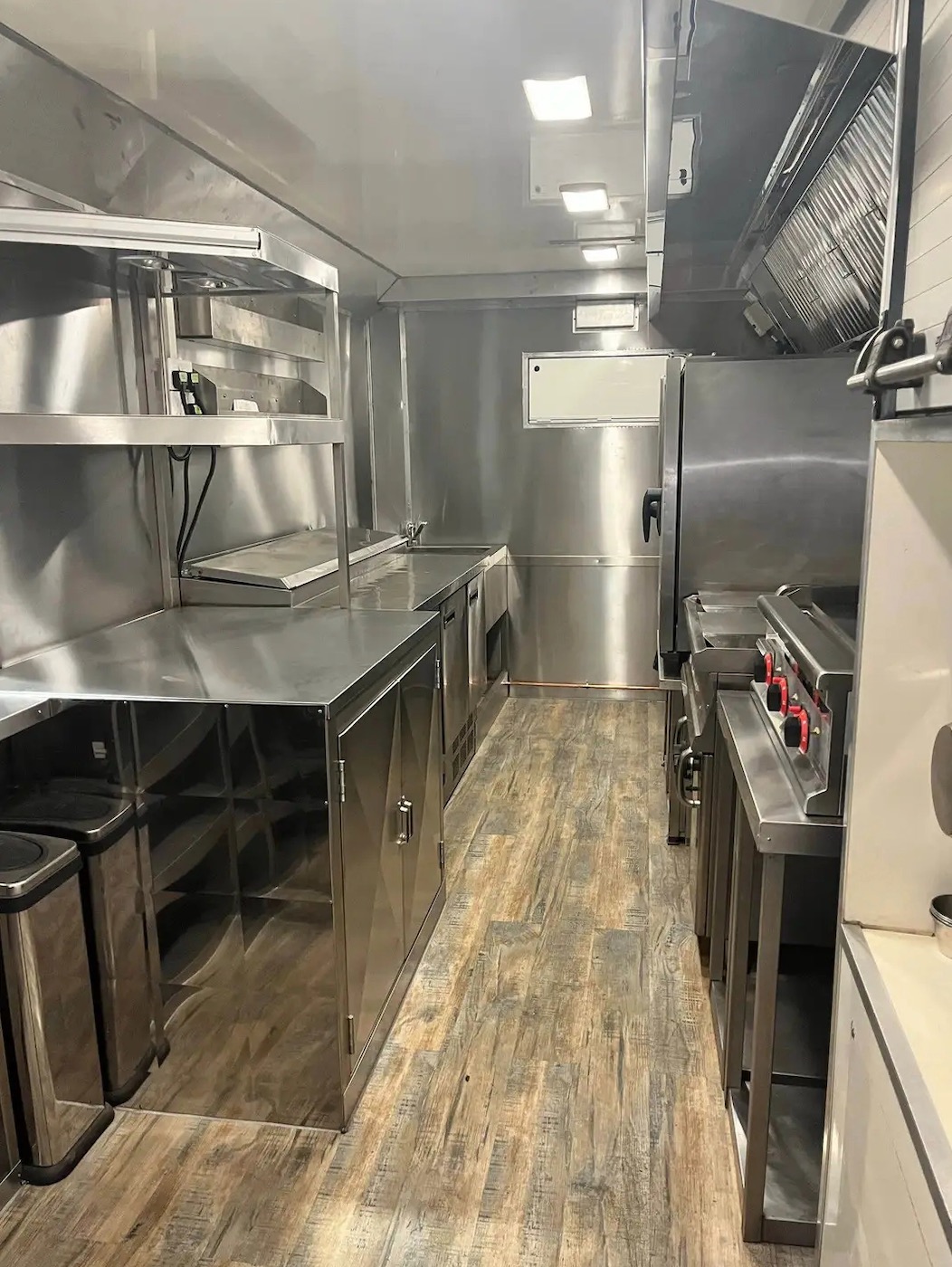
Headcount and its predictability come first. A steady daily number is easier to plan and price than one that swings from week to week. Frequency is next, since daily cover sits at a different point to a few days a week or a single day. The menu matters, as a pared-back core offer prices differently to a rotating spread with several hot options and separate dietary provision. Service hours add up too, because covering breakfast, lunch and a late shift is a longer day than a single lunch rush. And site access plays its part: a spot where we can park close and set up on hard standing is quicker to work than one where everything has to be carried across a compound.
Is contract catering cheaper than one-off event catering?
For regular needs, yes. Contract catering almost always gives better value than booking one-off days over and over, because planned, recurring service lets a caterer organise staffing and stock in advance, and that efficiency shows up in the price.
One-off event catering is built around a single occasion and priced accordingly. If you need your team fed reliably year-round, paying event rates repeatedly costs more and offers less certainty.
A contract also comes with a known cost structure, so you’re not guessing month to month. You’ve agreed the shape of it and can plan the budget around a figure that holds.
Can you offer office catering at no cost to the business?
Yes. Under a zero-subsidy model, staff buy their own food at the point of sale and the service runs at no direct cost to the business. You provide the space and the footfall; the caterer provides everything else. This is worth knowing when budgeting, because it means a hot-food offer doesn’t have to be a standing line you defend every year.
Some businesses prefer to subsidise, treating catering as a staff benefit and covering some or all of the cost. Others would rather offer the service at no cost to themselves and let staff choose whether to buy. Plenty run a hybrid, covering one day a week or breakfast and leaving the rest pay-as-you-go. If budget headroom is tight for next year, zero-subsidy keeps the offer on site without the cost on the books.
What should you budget for beyond the food?
Reliability and compliance, essentially. The cheapest quote and the right quote aren’t always the same, and it’s worth being clear about what a low figure can quietly leave out.
A rock-bottom price often comes at the expense of what makes catering work: turning up every scheduled day, whatever the weather, a menu people want to eat, proper insurance and food hygiene, and a supplier who doesn’t need chasing. When one of those fails on a live site, it costs more in disruption and goodwill than you saved on the quote. A slightly higher figure for a service that runs dependably every day is usually the better line in the budget, not the worse one.
How do you get an accurate catering quote for budgeting?
Give the caterer the details that drive the cost: your headcount, the days and hours you’d want service, a rough idea of the menu, and a little about site access. From those, a decent supplier gives you a clear, itemised figure rather than a placeholder.
The more honest you are about the numbers, especially real footfall rather than an optimistic one, the more accurate the quote and the fewer surprises later. If you’re still deciding between daily cover and something lighter, ask for both, so you can see how the options sit in the budget before you choose.
Build catering into next year properly
The businesses that get catering right budget for it deliberately rather than treating it as an afterthought. Tell us your headcount, the days you’d want cover and a bit about your site, and we’ll give you a clear, honest costing to plan your Q4 budgeting around.
Talk to us about our business catering services and we’ll help you plan it.