Managing a corporate facility involves a constant review of operational overheads, and the traditional staff dining room is often one of the heaviest financial burdens on the books. From the soaring utility bills required to power industrial appliances to the endless compliance checks for extraction systems, fixed infrastructure is incredibly costly to maintain. To eliminate these mounting overheads, many forward-thinking organisations are completely transforming their food service by shifting to agile workplace canteen catering models that rely on fully self-sufficient mobile kitchen units.
The decision to decommission a permanent brick-and-mortar kitchen setup can feel daunting, but it presents a massive opportunity to upgrade your employee benefits while slashing fixed costs. Traditional workplace canteens are notoriously rigid, often locked into expensive long-term contracts that require you to pay for full kitchen staff even on low-occupancy days.
By trading a static kitchen for a mobile fleet solution, you instantly convert a major fixed overhead into a flexible, scalable asset that only operates when your staff are actually in the building.
Total Operational Autonomy Outside the Office
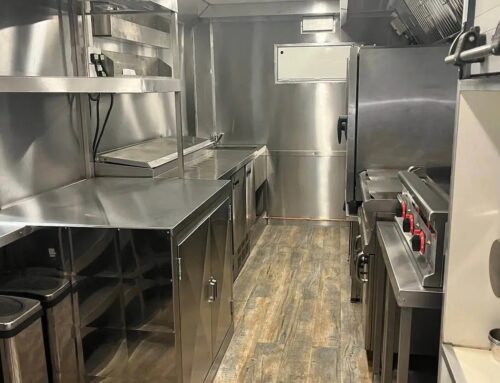
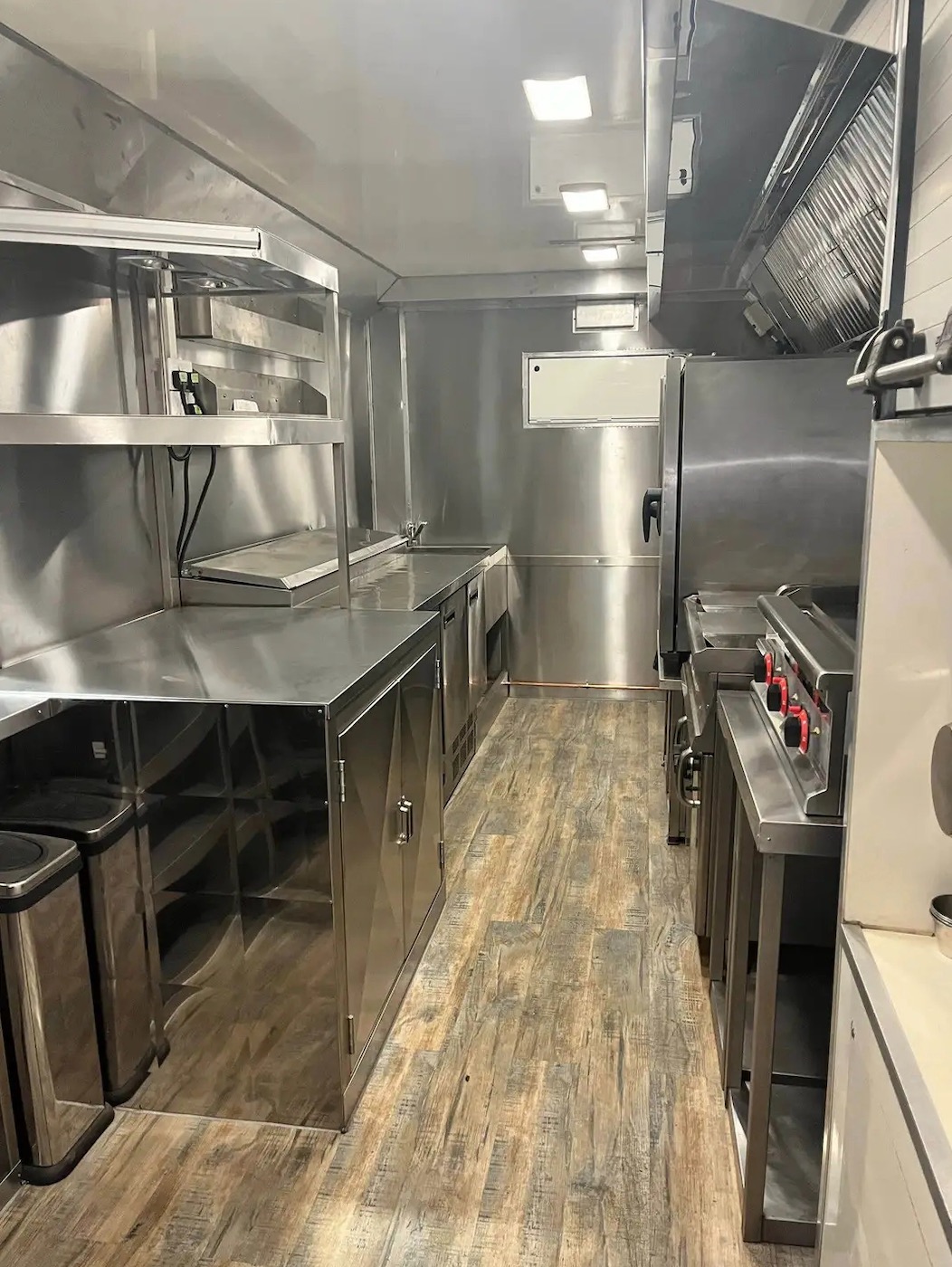
The core advantage of utilising advanced street food vehicles is their absolute independence from your facility’s power grid and water supply. These specialised mobile commercial kitchens feature internal power-generation systems and heavy-duty water tanks, so they can drop into your car park or courtyard ready to cook without needing a single utility hookup from your building.
You can see this clean operational style highlighted on the graphics of the vehicle in Follow the Bear van.jpg, which advertises a fully independent street food experience. Because these units handle their own plumbing and electricity, your facilities management team has zero risk of tripped breakers or unexpected utility surges. There are no extraction systems for your maintenance team to clean, no grease traps to service, and no expensive structural regulations to audit, removing a massive logistical burden from your weekly schedule.
Superior Culinary Flexibility and Zero Site Waste
Moving away from a fixed kitchen also breathes new life into your corporate menu options. Instead of the predictable, repetitive dishes associated with old-school office contract catering, self-sufficient mobile units let you introduce dynamic, rotating street-food concepts that keep your workforce excited about lunch.
When the designated lunch window draws to a close, the mobile team packs down their workspace in minutes. Every scrap of food waste and greywater is securely contained within the vehicle, ensuring nothing is left behind on your premises. The vehicle simply drives away, leaving your site perfectly clean and saving your cleaning staff hours of extra work every afternoon.
Frequently Asked Questions
- What utility connections do mobile office caterers need? High-quality mobile corporate caterers require no external utility connections at all because they are engineered with internal power generators and onboard fresh water tanks to operate independently.
- Can an office food truck run without external power? Yes, specialised commercial food trucks are fully self-sufficient and utilise built-in power systems to run refrigeration, lighting, and cooking hardware without plugging into building mains.
- How do you replace a fixed corporate canteen with a mobile service? You can easily transition by booking a mobile catering fleet to park in your designated office courtyard during peak lunch hours, offering flexible scheduling that matches your weekly hybrid office attendance.
Ready to cut your facility costs and modernise your office dining experience? Get in touch with the Bears team today to discuss our self-sufficient fleet options.