As autumn sets in, the shooting day changes shape. Daylight shortens, productions push later into the evening or shoot nights outright, and the weather turns. Unit base catering has to adapt: expect more hot services later in the day, warming menus in place of summer options, and a setup built to work in wind and rain.
If you’re booking TV and film catering for an autumn or winter shoot, it pays to plan around the season rather than carry over a summer setup. A lunch-and-go operation that suited a long July day doesn’t cover a cold October night on an exposed location.
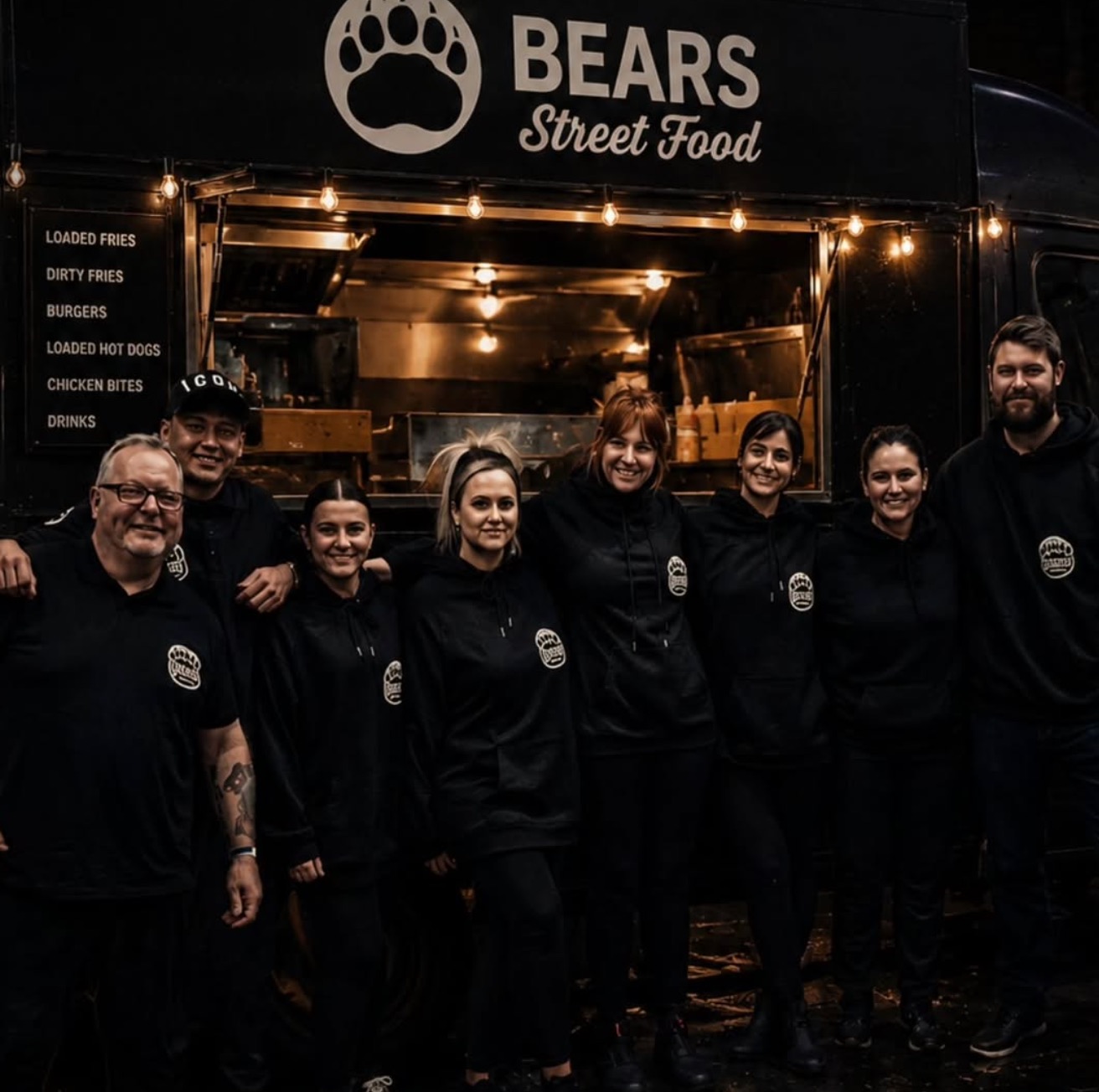
We cater shoots across the UK through every season, and autumn is where the gap between a caterer who plans for conditions and one who doesn’t shows up fastest.
How does autumn change catering on a film shoot?
It stretches the day and hardens the conditions, which changes both when you serve and what you serve.
Shorter daylight pushes the working day later, so a single midday meal often isn’t enough. Falling temperatures change what a crew wants from their food and how much they need it. And British autumn weather puts pressure on the whole setup, from where people eat to whether the kit can run in a downpour. Each of those shifts the catering plan, and the productions that account for them up front avoid scrambling later.
Do film crews need more than one hot meal a day?
On long or overnight shoots, yes. Once the day stretches past a standard turnaround, a crew needs a second hot meal, not just whatever’s left on the craft table.
When the light goes at half four and the unit works into the evening, expecting people to run on a single lunch is a false economy. Energy drops, focus slips and morale follows. A second proper service, planned into the schedule rather than improvised at nine at night, keeps the crew working well through the back half of the day. On a night shoot it’s simply standard: a hot main partway through the night does the job that lunch does on a day shoot.
What food works best for cold-weather night shoots?
Hearty, hot, substantial food that holds up outdoors. The light options that sell in summer give way to the things people want when they’re cold and tired.
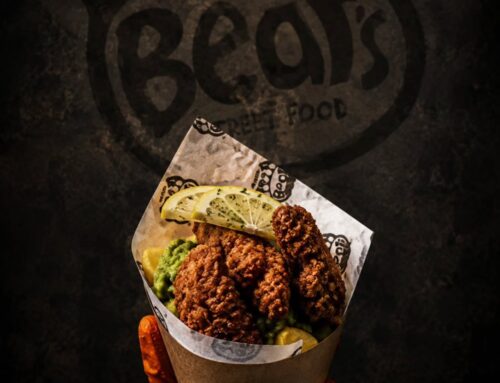
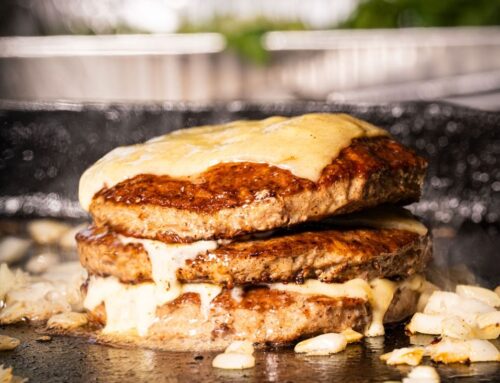
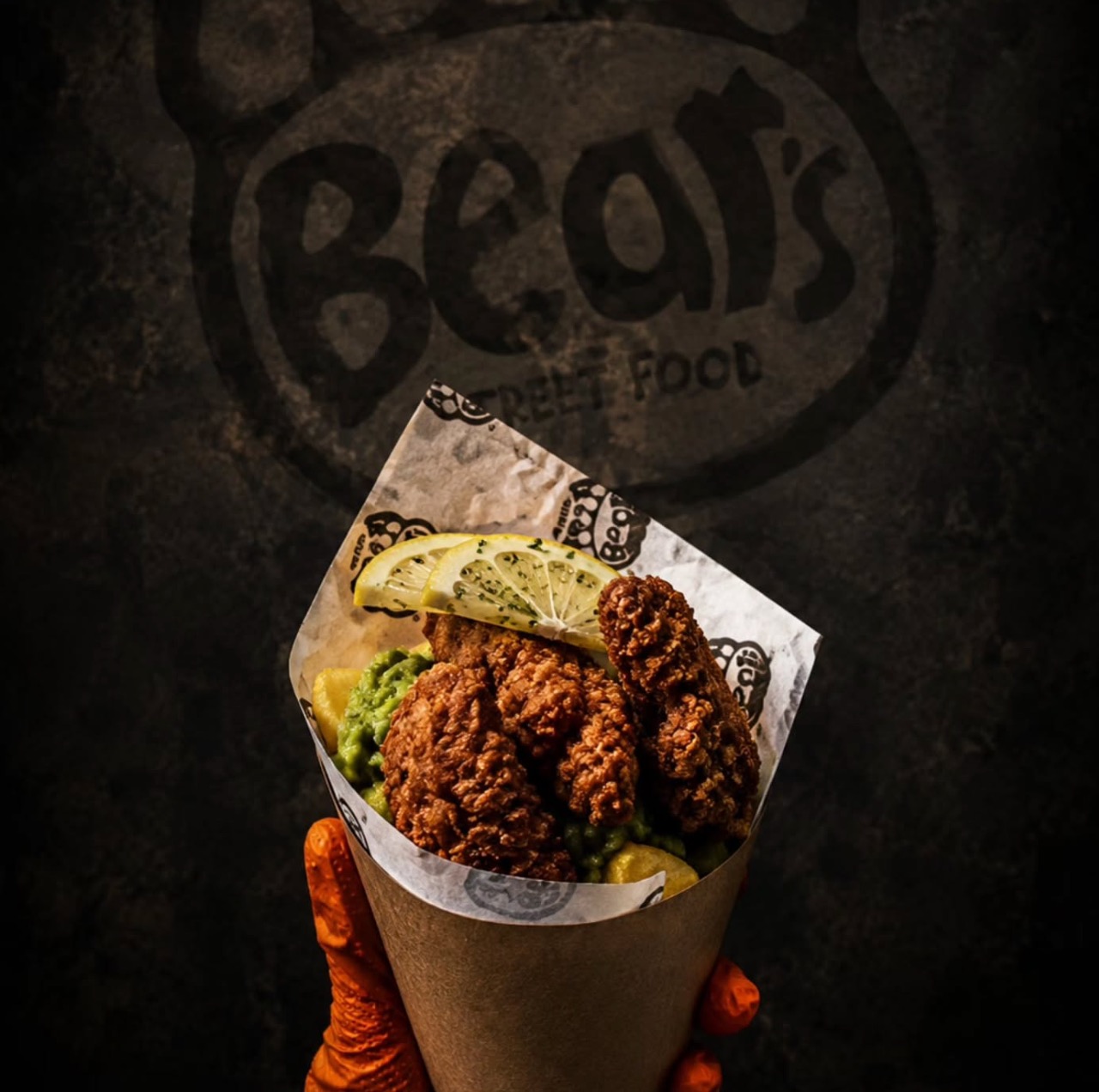
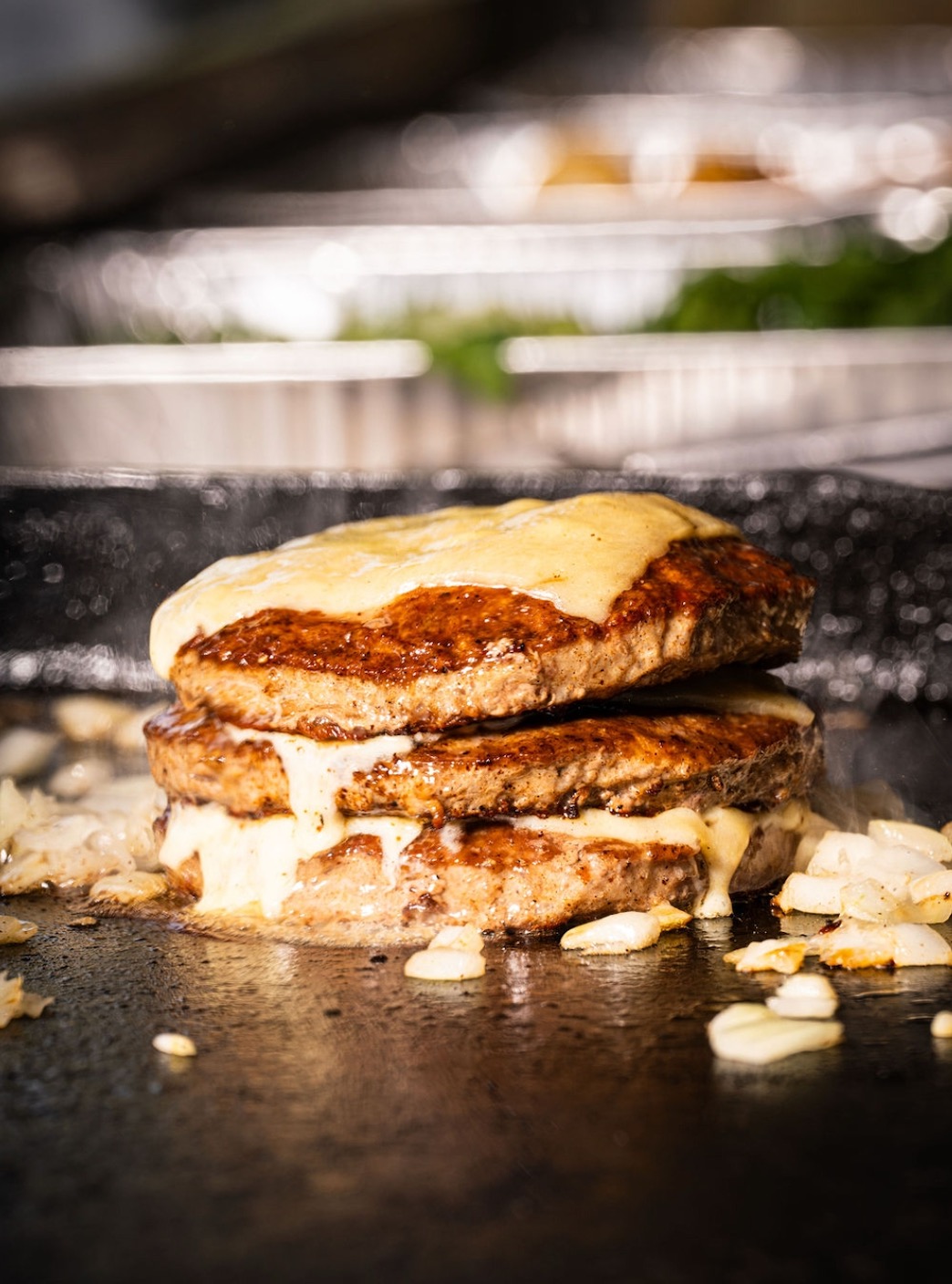
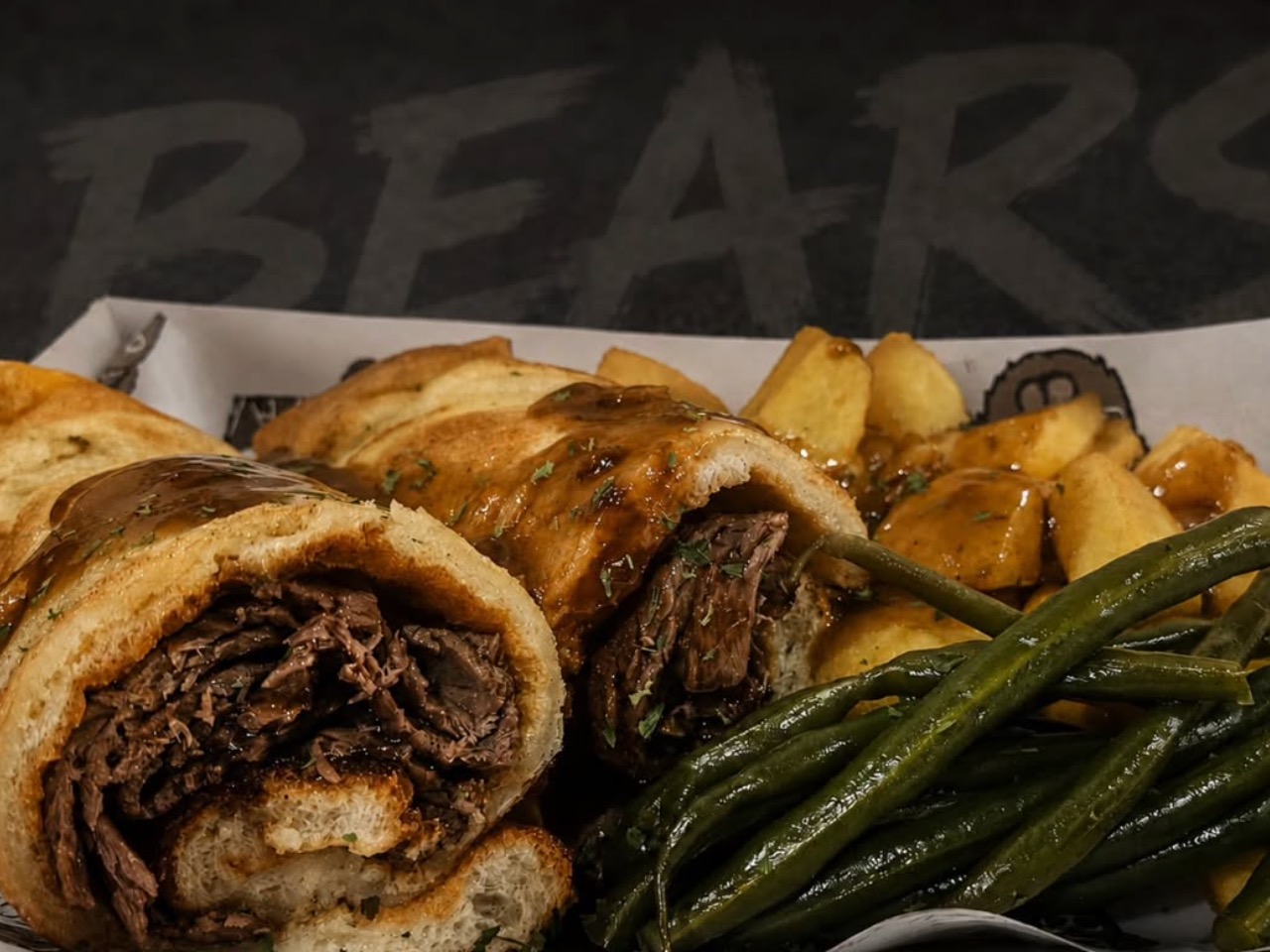
Curries, pies, loaded fries, wraps straight off the grill, the kind of plates that warm you from the inside and keep you going. Our flame-grills and slow-cook ovens are built for exactly this, turning out hot, filling food when it counts most. Somewhere warm and dry to eat it matters nearly as much as the food; a hot meal eaten standing in the rain doesn’t do much for anyone.
How do caterers handle bad weather on location?
A caterer who works through British autumns treats weather as the norm, not the exception, with covered serving, sheltered dining and a setup that stays standing in a gale.
The practical side is unglamorous but decisive: enclosed serving so food and staff stay dry, a covered space for the crew to eat out of the wind, secure setups that don’t blow over, and the flexibility to keep serving hot food when the ground has turned to mud. None of it happens by accident. It comes from having done it before and building the operation around the assumption that the weather will, at some point, be against you.
Why does self-sufficiency matter more in autumn and winter?
Because the sites get harder and the margin for error shrinks. When it’s cold, wet and dark, a caterer who leans on the location for anything is a caterer waiting to fail.
Full autonomy, bringing our own silent power, fresh water and shelter, means the service runs the same on a remote, waterlogged location in November as it does on an easy summer backlot. The colder and more exposed the shoot, the more that independence is worth, because it’s the difference between a crew fed on time and a production losing momentum while it waits on food that couldn’t cope with the conditions.
Cater your autumn shoot properly
Colder, darker, longer days ask more of the catering than a summer schedule does. We build for it: extra hot services, warming menus and a self-sufficient setup that holds up whatever the weather throws at it.
Find out more about our TV and film catering or get in touch with the shape of your shoot, and we’ll plan the service around it.