Catering for pick-ups and reshoots comes down to speed and proportion. You need a caterer who can deploy at short notice, scale down from full unit base to a small crew, and set up anywhere without hook-ups. Send dates, numbers and location the moment they’re known, even if the schedule is still provisional.
This post is for line producers and production managers closing out a schedule before the year ends, when pick-up days get squeezed in around holidays and crew availability. Bear’s TV and film catering covers everything from large unit bases to rapid-response work on short shoots.
Why are pick-ups and reshoots harder to cater than main unit days?
They’re smaller, later and less predictable. A pick-up day might involve a fraction of the original crew, at a location chosen at short notice, on a date that moves as cast availability is confirmed.
By then, the production’s original suppliers may already be committed elsewhere. Budgets are often tight at this stage, with most catering spend already committed to the main unit. That combination makes a caterer’s flexibility more important than their headline capacity.
Can a caterer deploy at short notice?
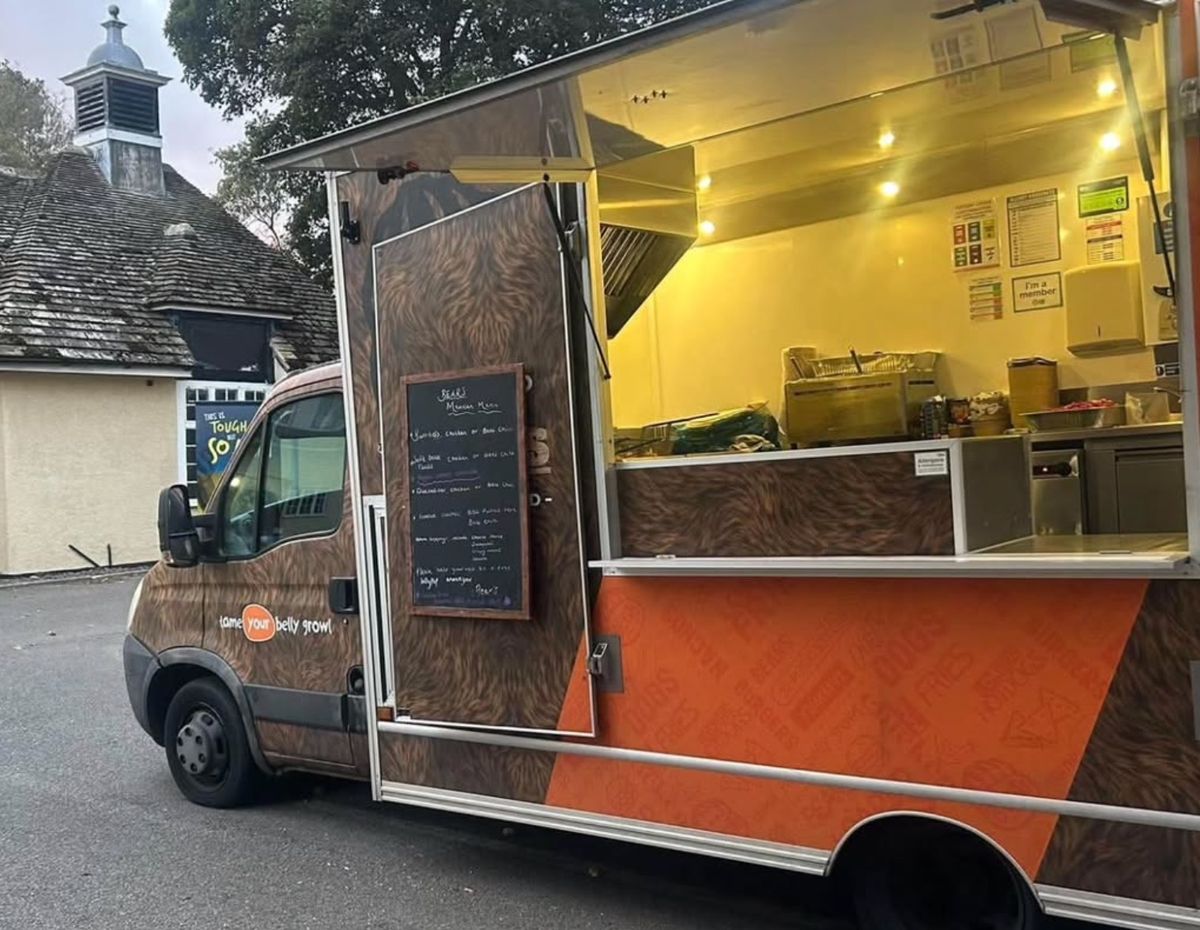
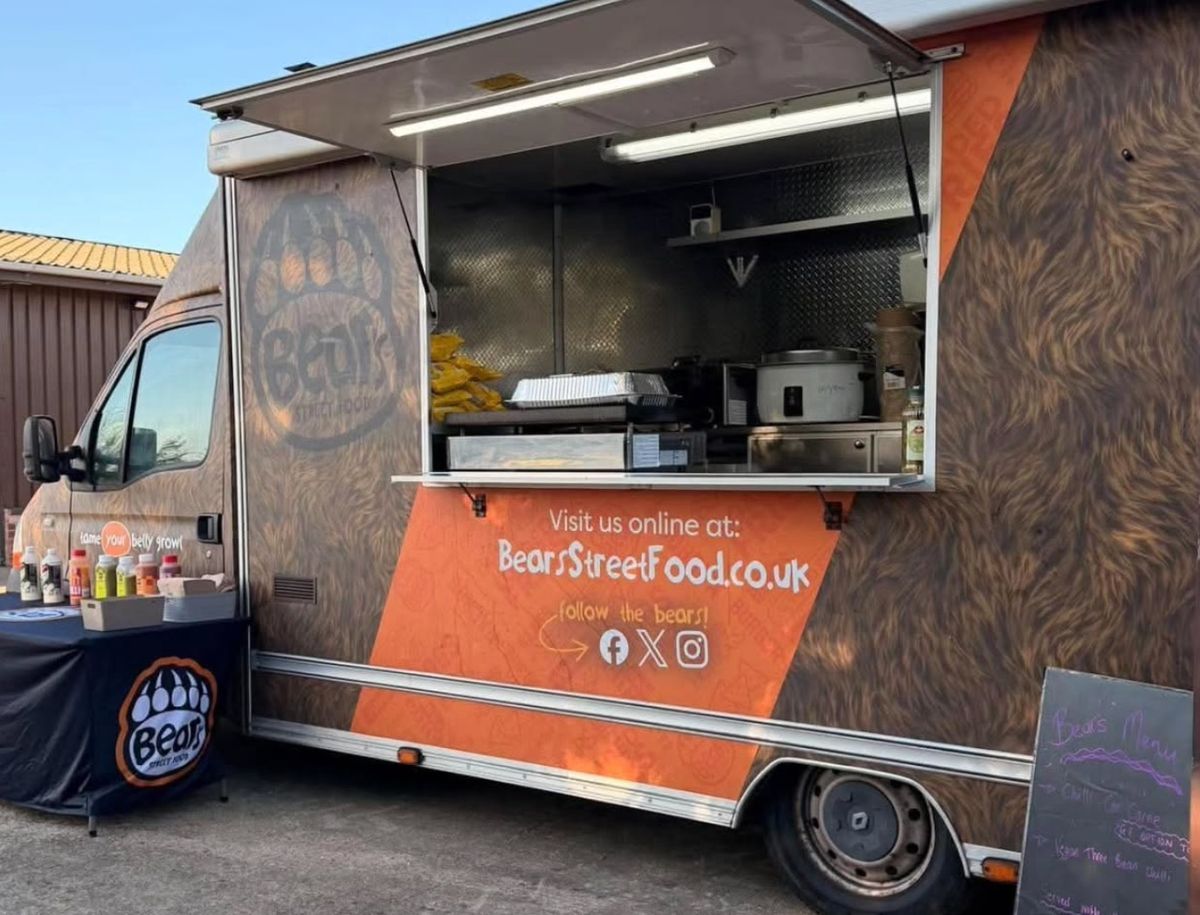
Bear’s fleet can be deployed with minimal notice, which suits the way pick-up days tend to arrive. The earlier you share even a provisional date, the easier it is to hold a unit for you.
If the date firms up late, a quick call with numbers and a postcode is often enough to start planning, with the full detail following once it’s confirmed. Bear’s 24/7 service also helps when pick-ups have to happen at night or at weekends to fit around cast. December diaries fill up across the industry, so raise a likely reshoot with your caterer as soon as it’s on the table.
How do you cater for a small unit without overpaying?
Brief for the crew you actually have. A small unit doesn’t need the set-up of a full main unit day, and being clear about numbers, meals and duration lets the caterer scale the operation to suit.
Focus on what drives cost: headcount, number of meals, location and travel, and how long the unit is on site. Our post on catering for commercials and short shoots applies similar thinking to brief, high-intensity jobs.
Do you still need RAMS and insurance for a one-day reshoot?
Yes. A short job doesn’t change what the location owner or your insurer will expect, and a new location may bring new conditions. Bear’s supplies full RAMS and holds the insurance certifications needed for professional set access. Confirm with your production’s insurer and health and safety adviser what this particular day requires, and send it to the caterer with the booking.
What if the reshoot location has no facilities?
That’s rarely a problem for a self-contained caterer. Bear’s units bring their own silent power and fresh water, so a reshoot at a rural spot, a car park or a site with no buildings is workable. You still need a safe, level place for the unit and a clear access route, especially if the date falls during frost or heavy rain.
Mention any change from the original location, even a short distance, because access can differ more than you’d expect.
How should you handle dietary requirements on a reshoot?
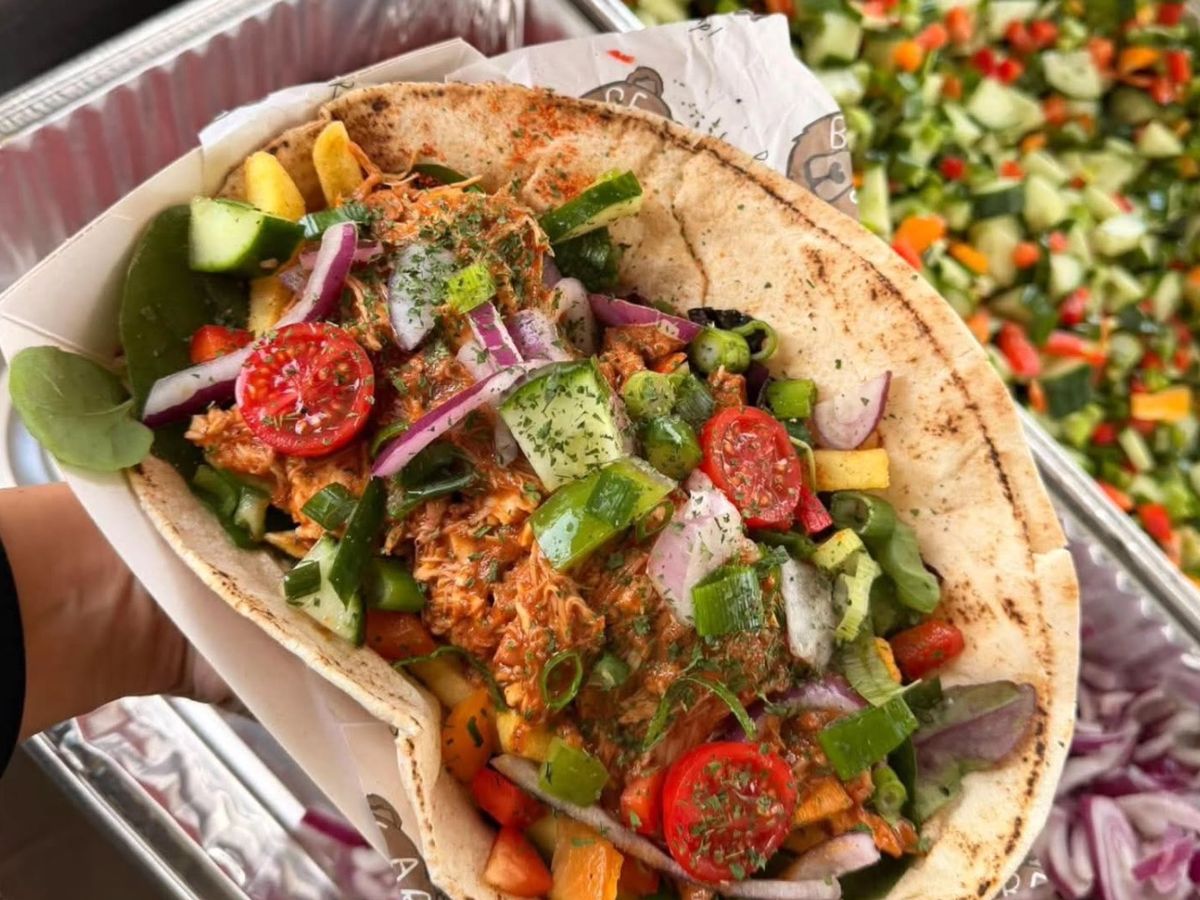
Check them again rather than reusing the main unit list. Pick-up crews often include new faces, from day players to replacement crew, and returning cast may have changed their requirements. Bear’s menus cover all dietary needs as part of the standard service, so the job is making sure the caterer has an accurate list for the people actually there on the day.
What should a pick-up day catering brief include?
Keep it tight:
- provisional date, and how likely it is to move
- location, with access and parking notes
- crew and cast numbers, by meal
- call time and expected wrap
- dietary requirements, including anyone new to the production
- site restrictions, such as noise limits or permitted hours
If the reshoot follows a lost weather day, you may already have a contingency plan to draw on. Our guide to catering for weather days and schedule changes covers how to set one up.
How is a reshoot different from a small-crew documentary shoot?
The numbers can look similar, but the context differs. A documentary crew plans to be small and mobile from the outset, whereas a reshoot is a scaled-down version of a larger production that carries the same expectations.
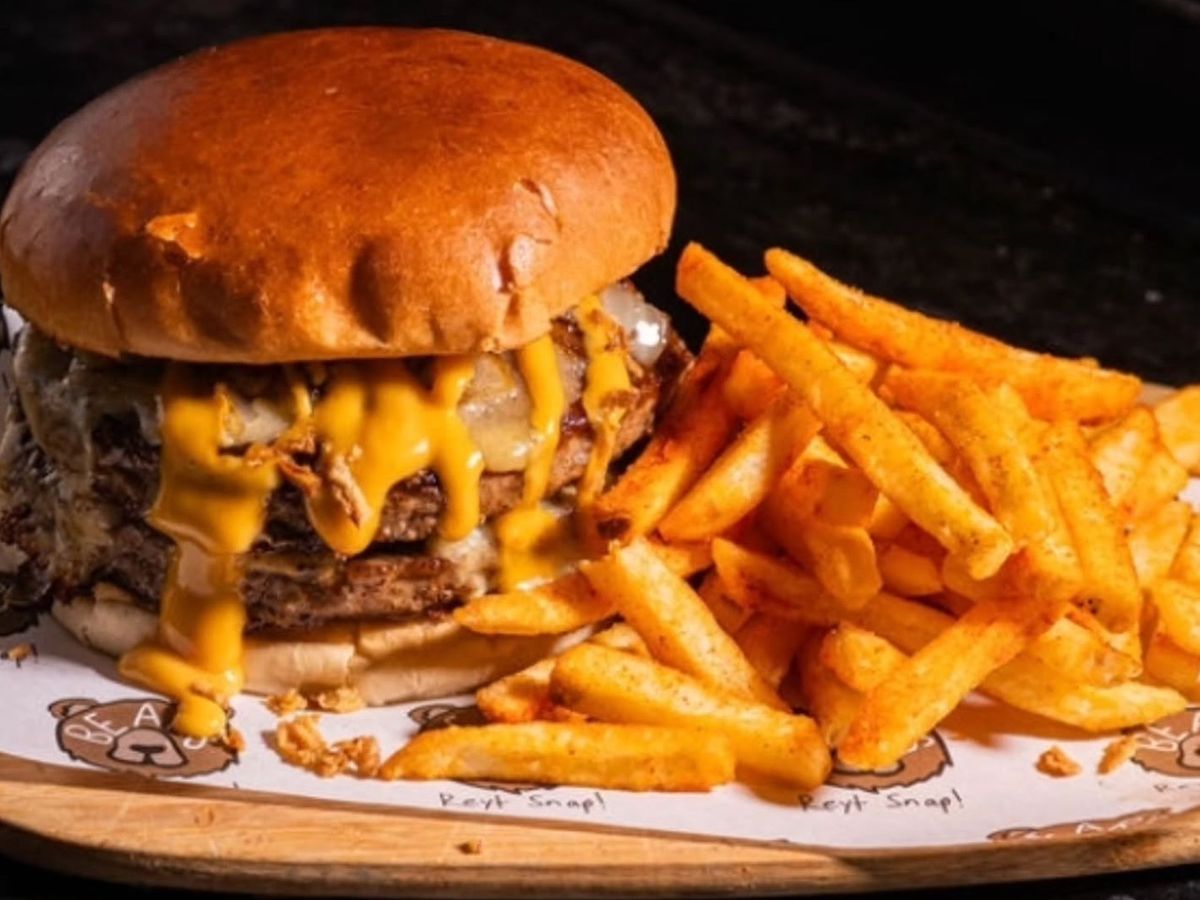
Crew who have eaten well through main unit will notice a drop in quality, so keep the food consistent even when the set-up shrinks. Hot, flame-grilled and slow-cooked meals matter just as much on a cold December pick-up as on day one. Our post on mobile catering for small documentary crews shows how compact service works when it’s planned that way from the start.
Where do year-end pick-ups fit in next year’s planning?
Pick-ups at the end of one production often overlap with prep for the next. Using the same caterer for both means they already know your team, your paperwork and how you like to work.
If you’re already looking ahead, our guide to briefing and booking location catering for a 2027 production sets out how to get your next shoot’s catering in place early.
Got pick-ups to fit in before the year ends?
Tell us the date and numbers and we’ll see what we can arrange. Contact Bear’s