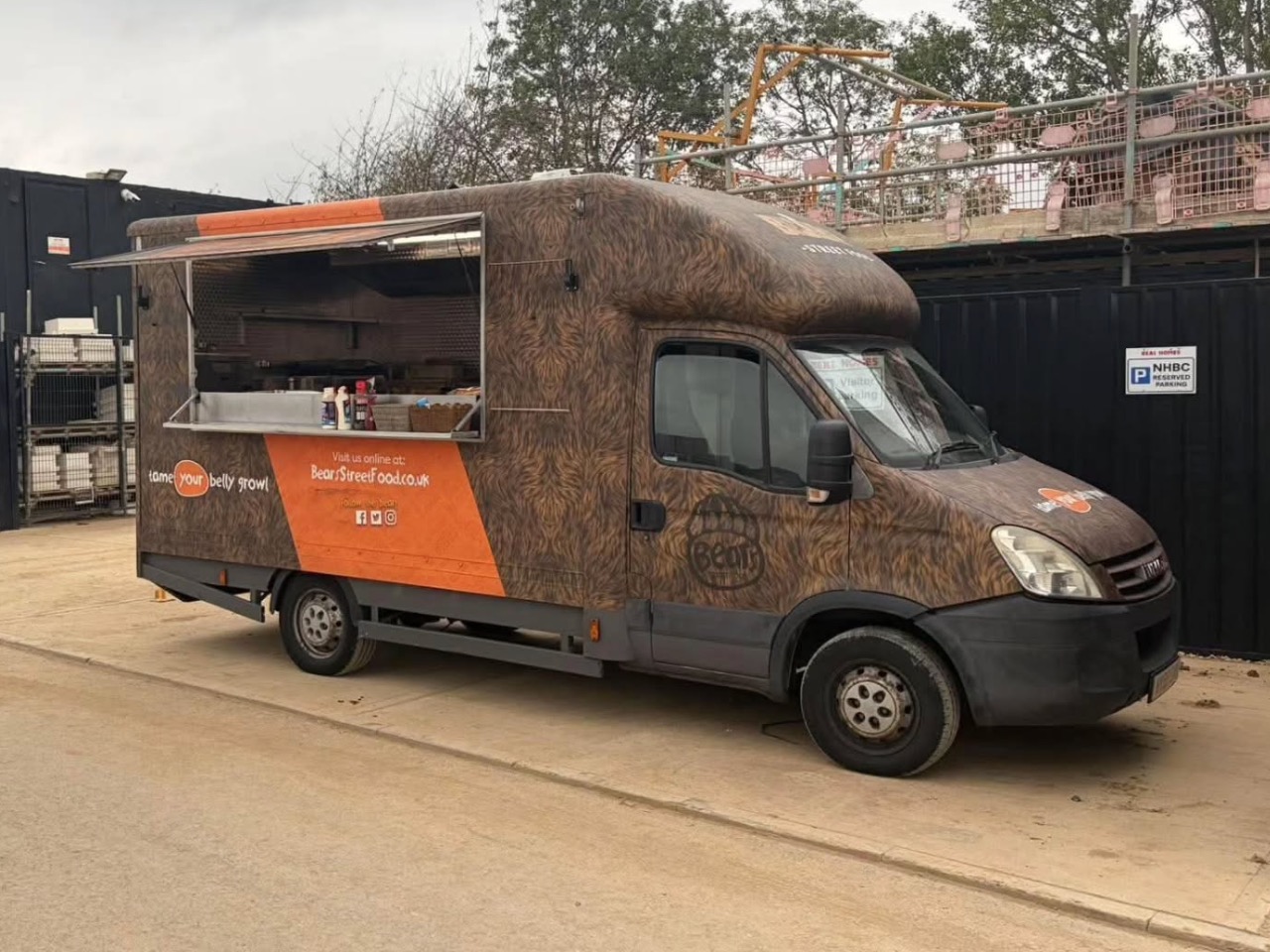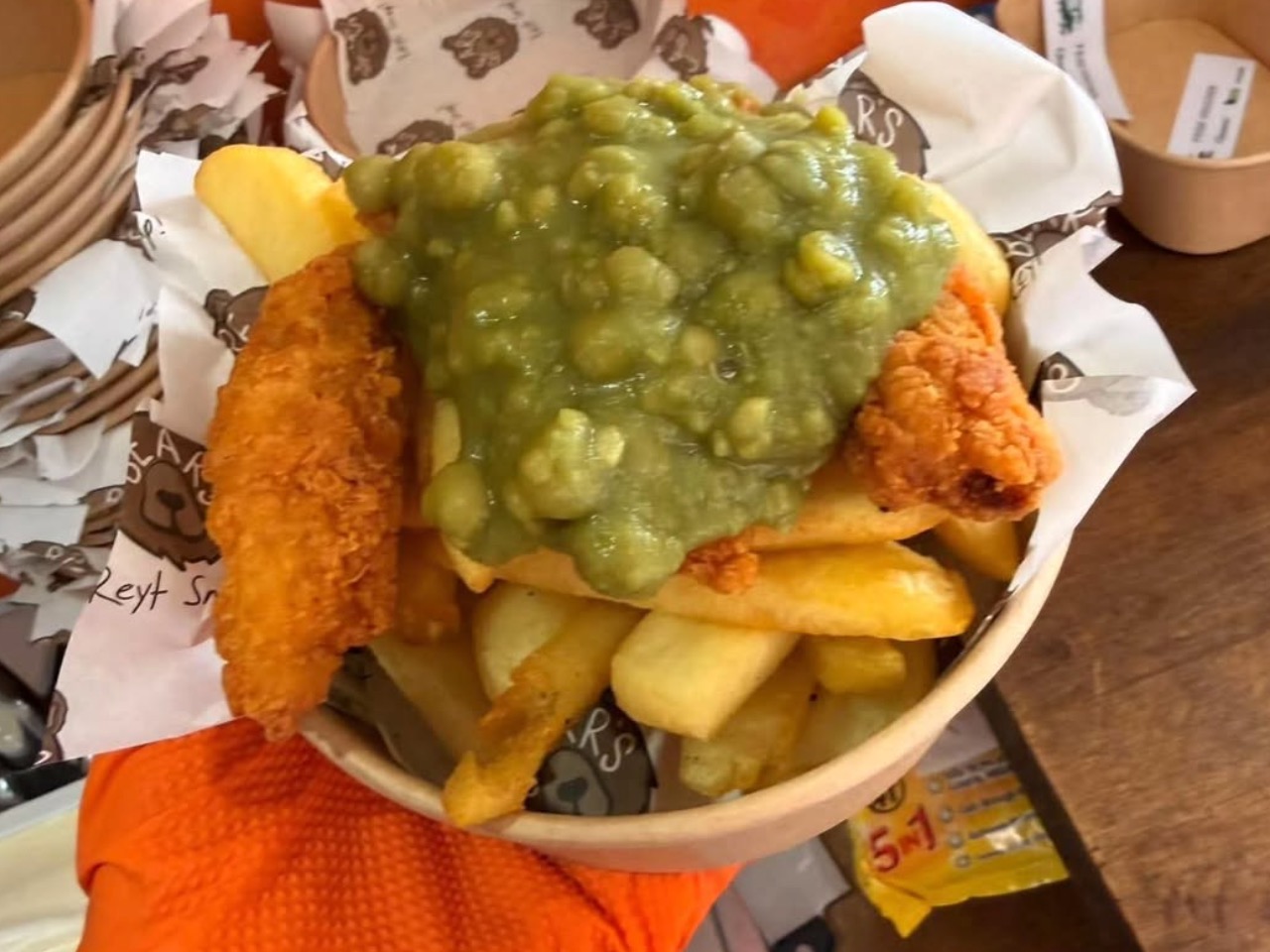
Mobile catering is often worth it for small crews when the location is remote, the day is long or the weather is poor, because it saves time that would otherwise be lost fetching food. On shorter shoots near plenty of food options, simpler arrangements may make more sense. The right answer depends on the shoot, not just the headcount.
It’s easy to assume on-site catering is only for big productions. But for documentaries, factual shoots and small units, the pressures can be just as real: tight schedules, isolated locations and no spare hands to sort out lunch. If you’re weighing up mobile catering for a small crew, here’s how to decide.
What are the alternatives to on-site catering?
The usual options are a runner fetching food from local shops or cafés, packed lunches, per diems so crew buy their own, or stopping at a nearby café or pub. Each works in the right circumstances, and each has drawbacks.
Sending a runner takes someone away from the shoot for an hour or more, and in remote areas there may be nowhere to go. Packed lunches are cold and quickly get repetitive. Per diems rely on food being available nearby at the right time. And stopping at a café means the whole crew leaves set, which costs shooting time and adds travel.
When does on-site hot food make the most sense?
When the location is remote, the day is long or the conditions are tough. A crew filming on a hillside, a coastline or an industrial site may be a long way from anywhere that sells food, and a cold, wet day makes a hot meal far more valuable than a sandwich.
It also helps on days with very early starts or late finishes, when local shops and cafés aren’t open. And it matters on tight schedules, where every hour counts. If stopping for lunch off site means losing the light, feeding the crew where they’re working keeps the day on track.
Is there a minimum crew size for mobile catering?
That varies between caterers. Some set minimum numbers, while others price small bookings differently. Ask any caterer you’re considering what their minimum is and how they handle small units, before you plan around them.
It’s also worth thinking about the whole schedule rather than a single day. A small crew shooting over several days in a remote area may be a more practical booking than one day on its own, and it gives the crew a consistent standard of food throughout.
How does on-site catering affect the budget?
The cost depends on crew size, the number of services each day, the number of shooting days and how far the location is from the caterer’s base. For a small crew, it’s worth comparing those against the costs that don’t always show up in the budget.
Those hidden costs include a runner’s time away from set, travel to and from food stops, shooting time lost while the crew is away and the effect on a tired, cold crew’s work in the afternoon. On a remote shoot with a tight schedule, the value of feeding everyone on site can outweigh the difference in cost.
On a short shoot in a town centre, with good food a few minutes away, the calculation may come out the other way. Be honest about which situation you’re in.
What food suits a small crew?
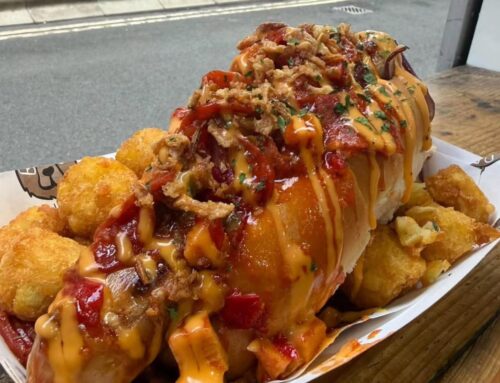
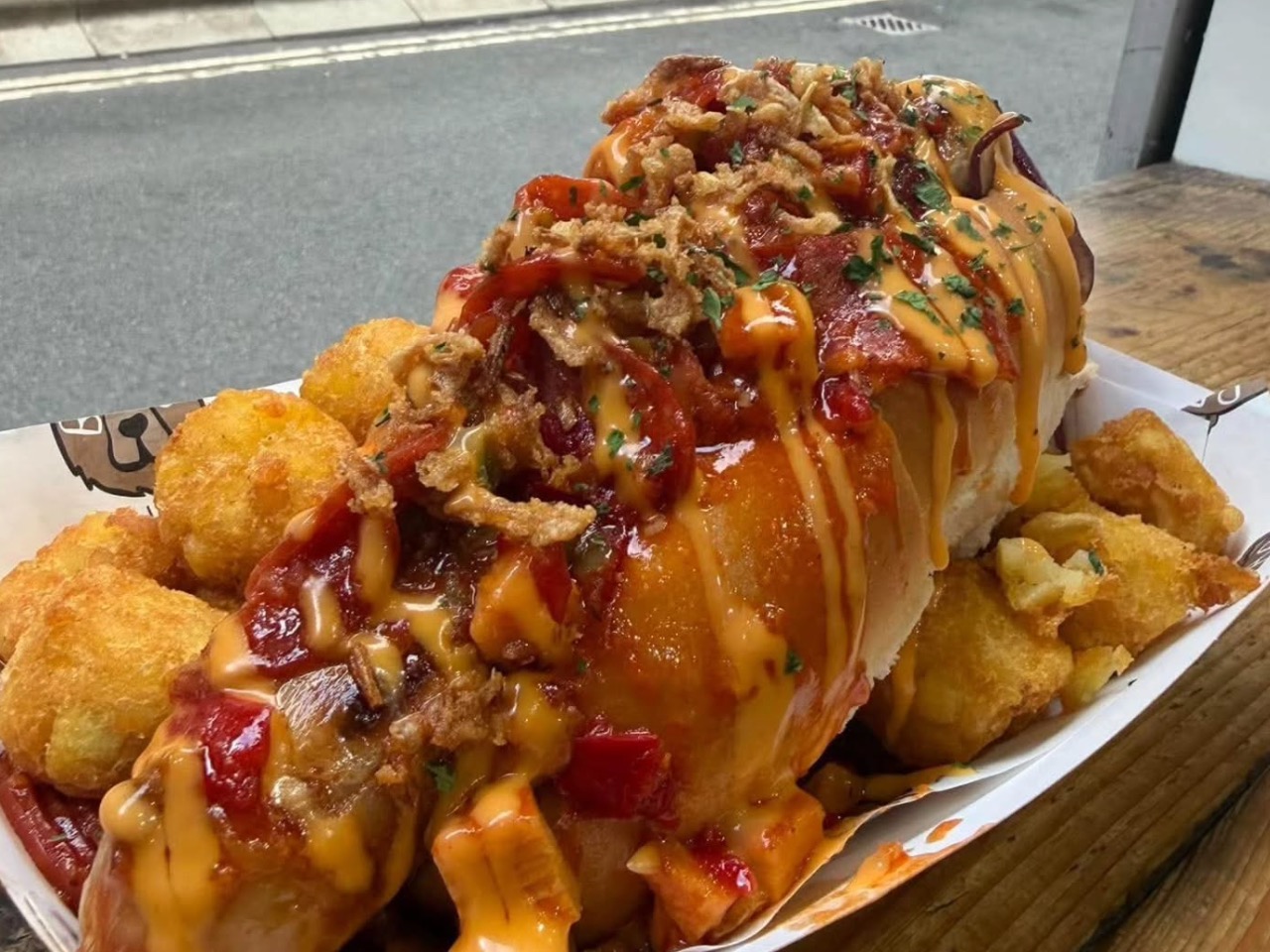
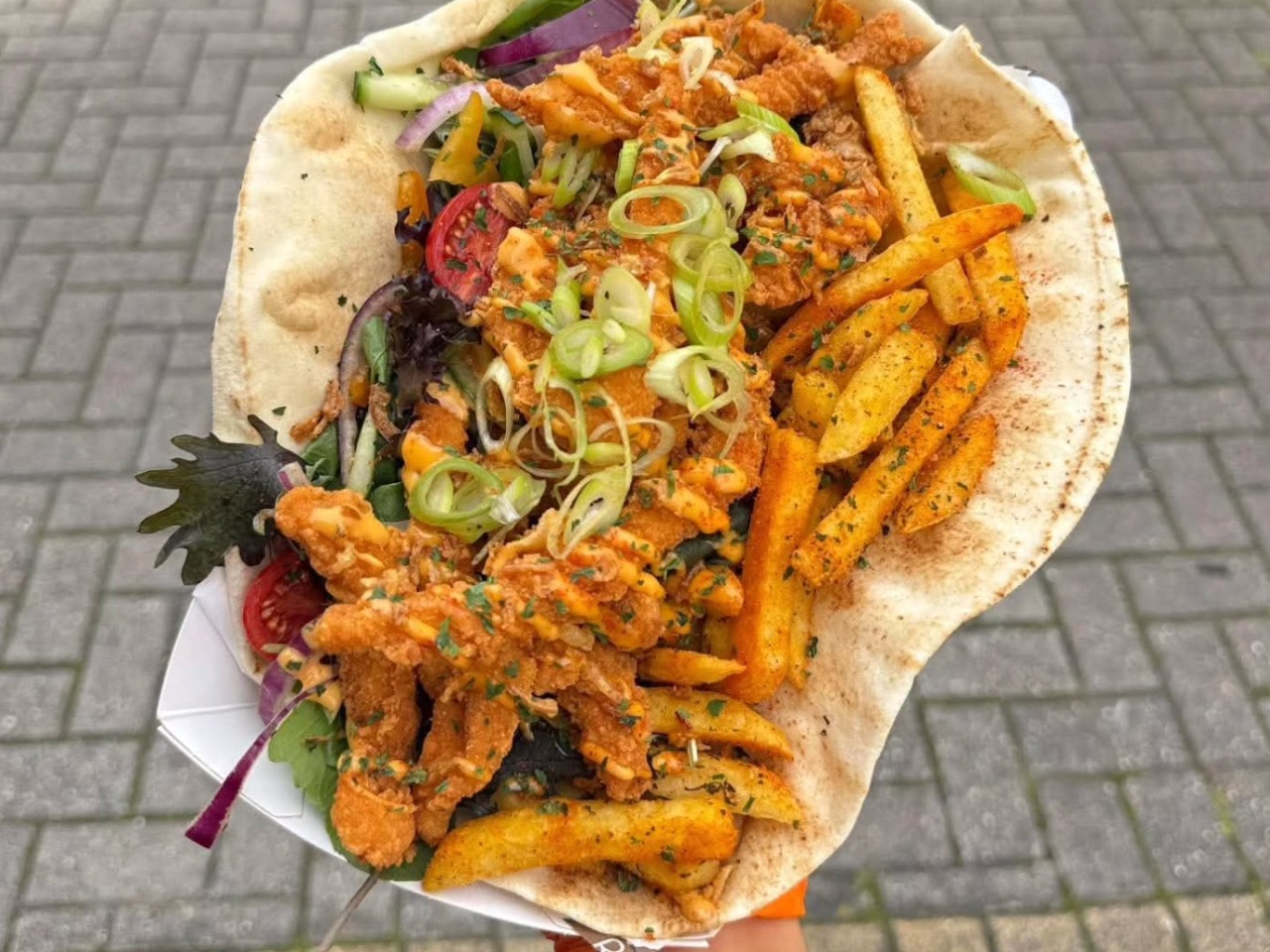
Fresh, hot food cooked on site, with enough choice that everyone gets something they want. Small crews often work closely together for long days, so a good meal makes a noticeable difference to morale.
Wood-fired pizza, flame-grilled burgers and slow-cooked pulled meats all work well and can be cooked fresh to order. Make sure dietary needs are covered too. Even a small crew may include vegans, people with allergies or people with religious dietary requirements, and Bear’s menus include vegan, gluten-free and halal options as standard.
What about very short shoots?
For a single half-day or a quick pick-up, on-site catering may be more than you need. But short doesn’t always mean simple. A short shoot at a remote location, or one with an early call, can still benefit from hot food on site. Our guide to catering for commercials and short shoots covers the planning in more detail.
What should you ask before booking?
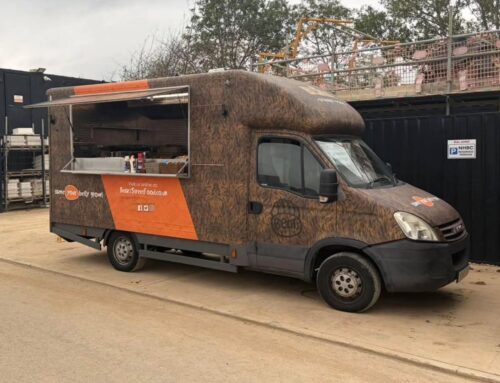
Check the caterer’s minimum numbers and whether they suit your crew size. Ask whether they’re fully self-sufficient, since remote locations rarely have power or water, and confirm they can reach your location and set up there. Find out how they handle dietary requirements on a small crew, and what’s included for each day.
Those questions overlap with the wider checklist in our guide to questions to ask before booking a TV and film caterer. And for how meals usually fit into a shooting day, see how many meals a day a film crew needs.
Talk to us about your shoot
If you’re planning a documentary or small-unit shoot and want to know whether on-site catering makes sense, tell us about your locations, crew size and schedule, and we’ll give you an honest view.
Contact Bear’s Street Food with your shoot details.