When winter weather moves a shoot, location catering adapts best if the caterer hears early and the change process was agreed before filming began. A self-contained, mobile caterer can follow a switch to a cover set, a new call time or a different unit base, provided numbers and locations reach them promptly.
This post is for production managers and line producers working through the winter months, when exteriors are most exposed to rain, frost, wind and fading light. For an overview of Bear’s approach to TV and film catering, including service hours and capacity, see our main service page.
What happens to catering when a shoot moves to a cover set?
The catering moves with it, as long as you pass on the new location quickly. A cover set is often a different site altogether, with its own access, parking and ground conditions.
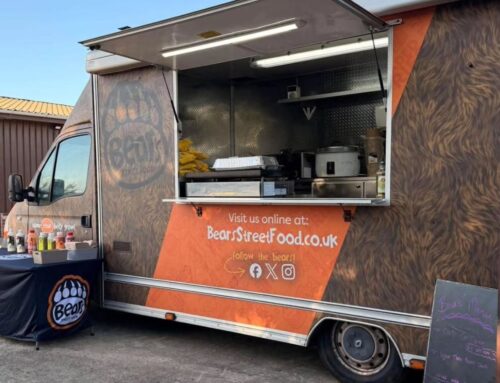
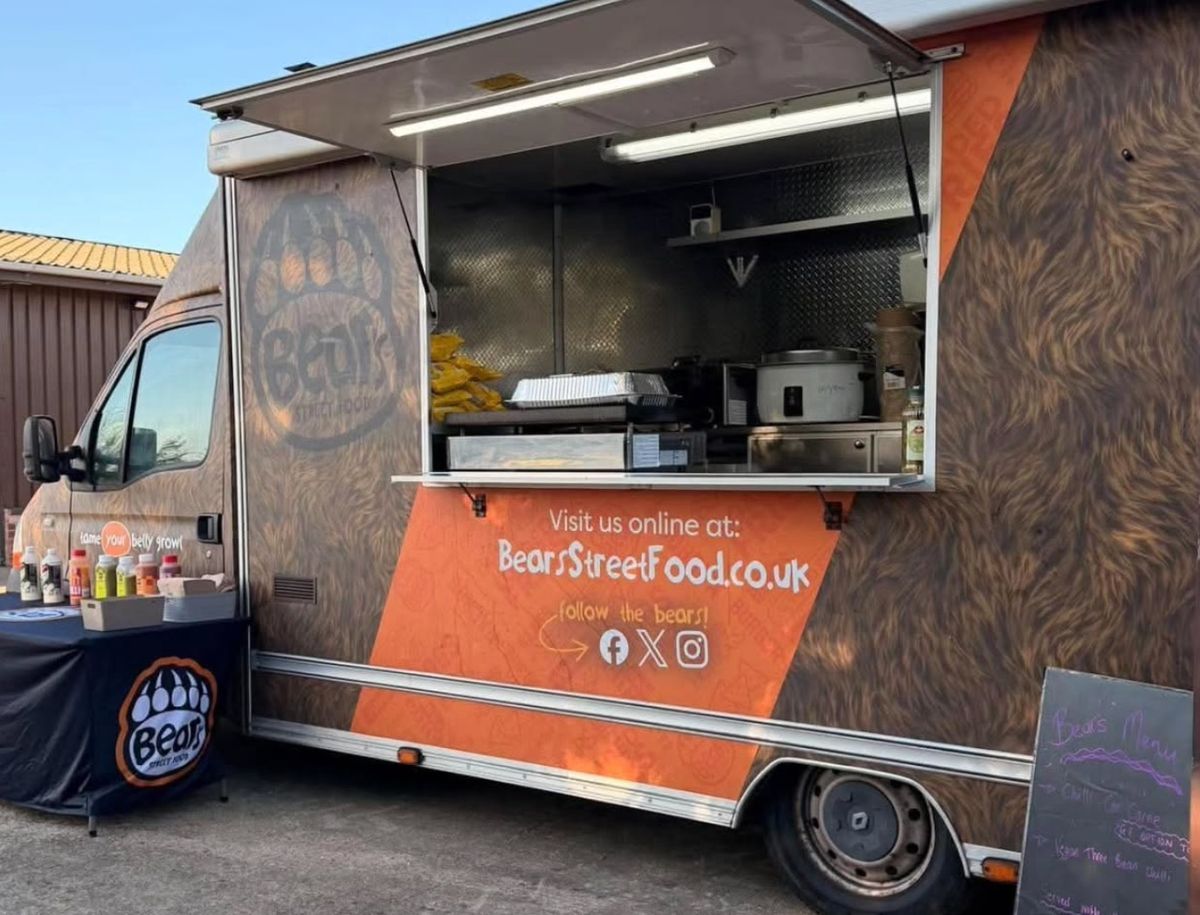
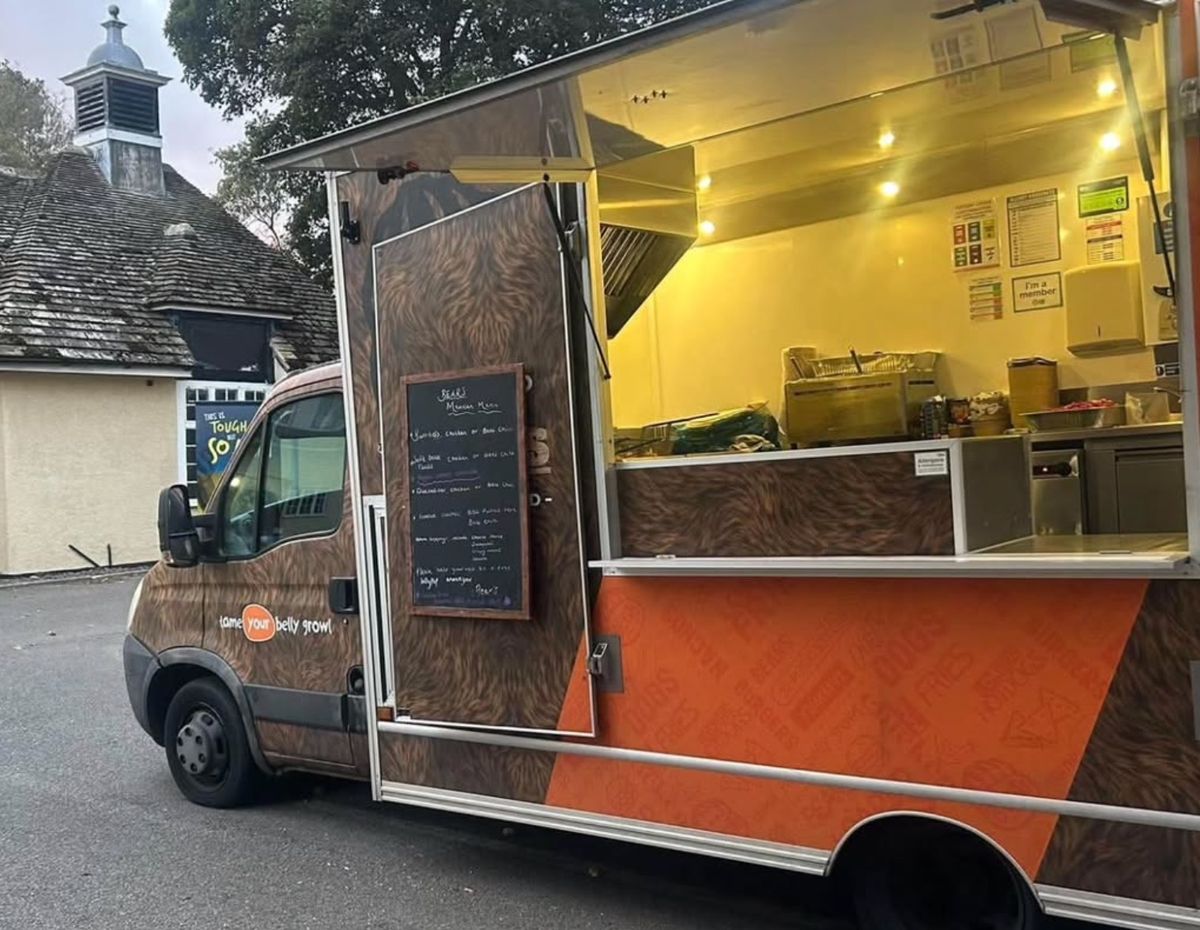
Bear’s units carry their own silent power and fresh water, so they can set up somewhere new without waiting for hook-ups, and the fleet can be deployed with minimal notice. A marked spot for the unit at the cover set also saves time on arrival. What slows things down is missing information: a postcode without access notes, or a call time that changes twice before anyone tells the caterer.
How much notice does a caterer need for a schedule change?
It depends on the change, so agree it in writing before the shoot starts. Shifting a call time by an hour is a different task from moving unit base across a county or adding a crowd day.
Ask your caterer how they handle each type of change and what notice they need, and make sure the answers sit in the booking rather than in someone’s memory. Agree who is authorised to request changes too, so the caterer isn’t fielding conflicting instructions from different departments. Clear terms protect both sides when the forecast turns.
How do short winter days affect meal timing?
They push the schedule towards the available light, and meals often move with it. Productions shooting exteriors in December and January may start earlier, break later or shorten lunch to make the most of daylight, and each of those shifts changes when the caterer needs to be ready.
Share the light-led schedule with your caterer during prep, and flag days where a meal break might move to protect a shot. Check your crew agreements for anything that governs break times, as arrangements differ between productions. The caterer can work around the light; they just need to know where it falls.
What should a catering weather contingency plan include?
A short contingency section in your catering brief saves time on the day. Include:
- named cover sets or alternative locations, with access details
- who on the production confirms a move, and how the caterer will be told
- the latest point at which a change can be made for each meal
- how numbers will be updated if part of the unit stands down
- what happens to meals already in preparation if a day is cancelled
Your caterer may add points of their own, so review the plan together during prep.
How do winter conditions affect unit base?
Winter affects the ground more than anything else. A field that was firm in September can be waterlogged by December, and frost or snow can block access routes that looked straightforward at the recce.
Choose unit base locations with hardstanding where you can, and keep a second option in mind. Our post on unit base catering for longer, colder nights covers the wider effects of the season on service.
What if the unit has to move during the day?
Plan the move around meal times where possible. A mid-day move means packing down, travelling and setting up again, so timing it between services keeps disruption low.
If the production is moving several times a day, treat it as a multi-location shoot from the start rather than a series of surprises. Our guide to mobile catering for multi-location shooting explains how to brief for that.
How do you keep crew fed when the schedule keeps changing?
Keep one line of communication and update numbers the moment they change. A weather day can send part of the crew home while another part carries on, or bring a different department in for a cover scene. The caterer needs to know who will actually be eating, and when.
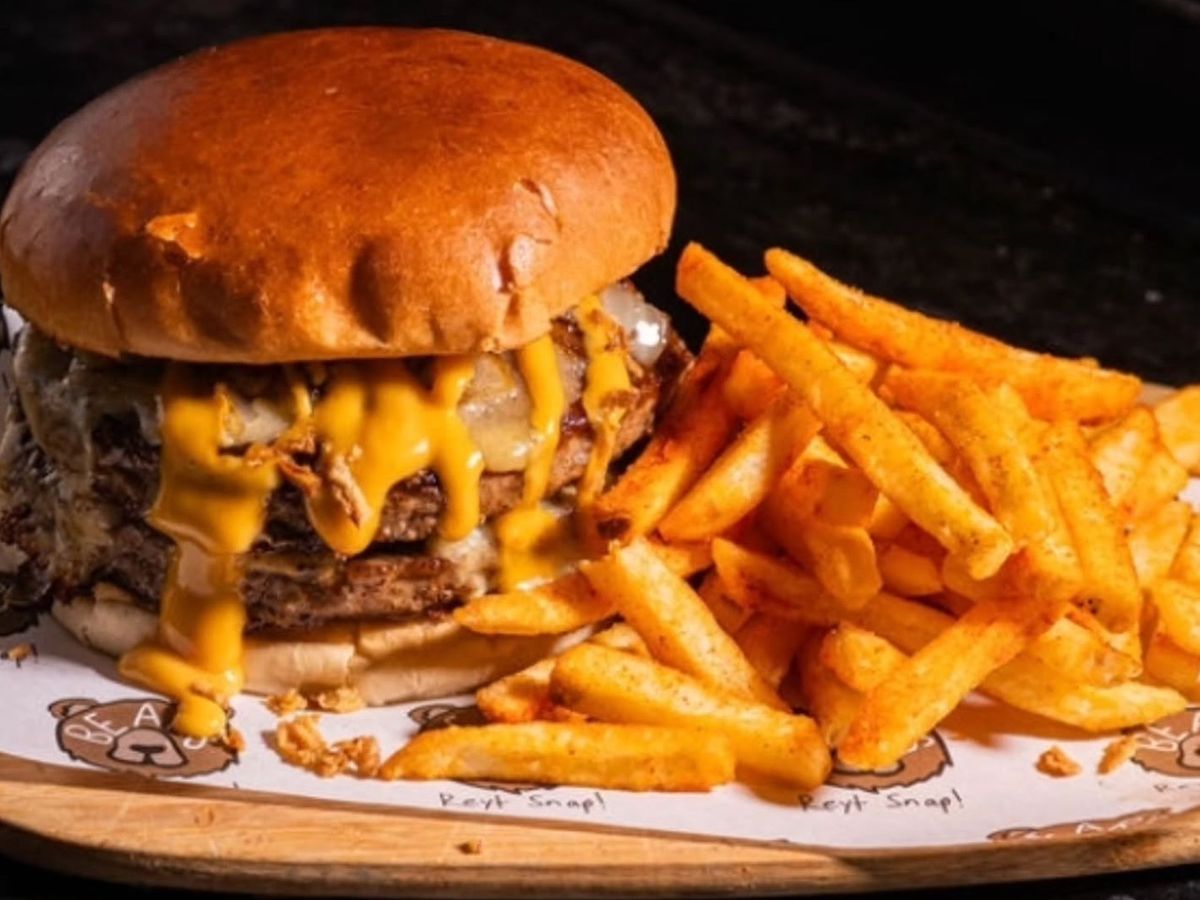
Bear’s 24/7 service means an earlier or later meal is workable, and hot, flame-grilled food lands particularly well after a cold, interrupted morning. The flexibility exists; accurate information is what makes it work.
If lost days have to be made up later, our post on year-end pick-ups and reshoots covers catering for the smaller units involved.
Does weather planning belong in the original booking?
Yes, and it’s far easier to agree there than on a wet Tuesday morning. Raising contingencies at the booking stage means your caterer can plan staffing and stock with change in mind, and you know in advance how a move will be handled.
Our guide to briefing and booking location catering covers the full brief, including how to set out contingencies alongside dates, numbers and paperwork.
Need a caterer who can move with your schedule?
Talk to us about your winter dates and locations. Contact Bear’s.