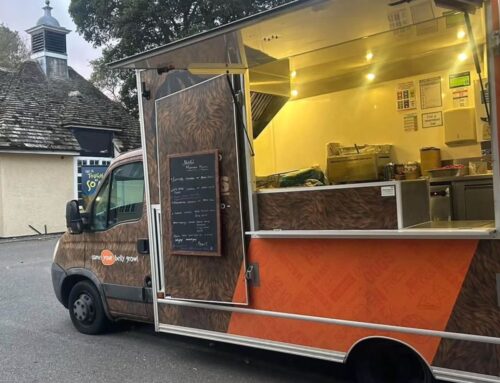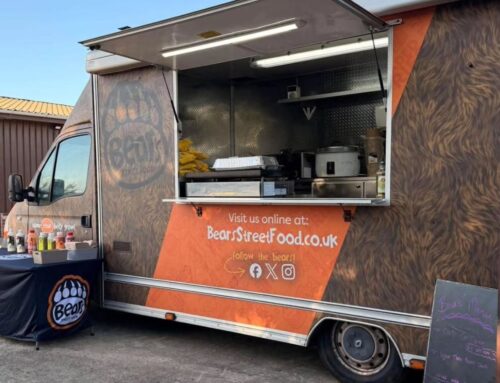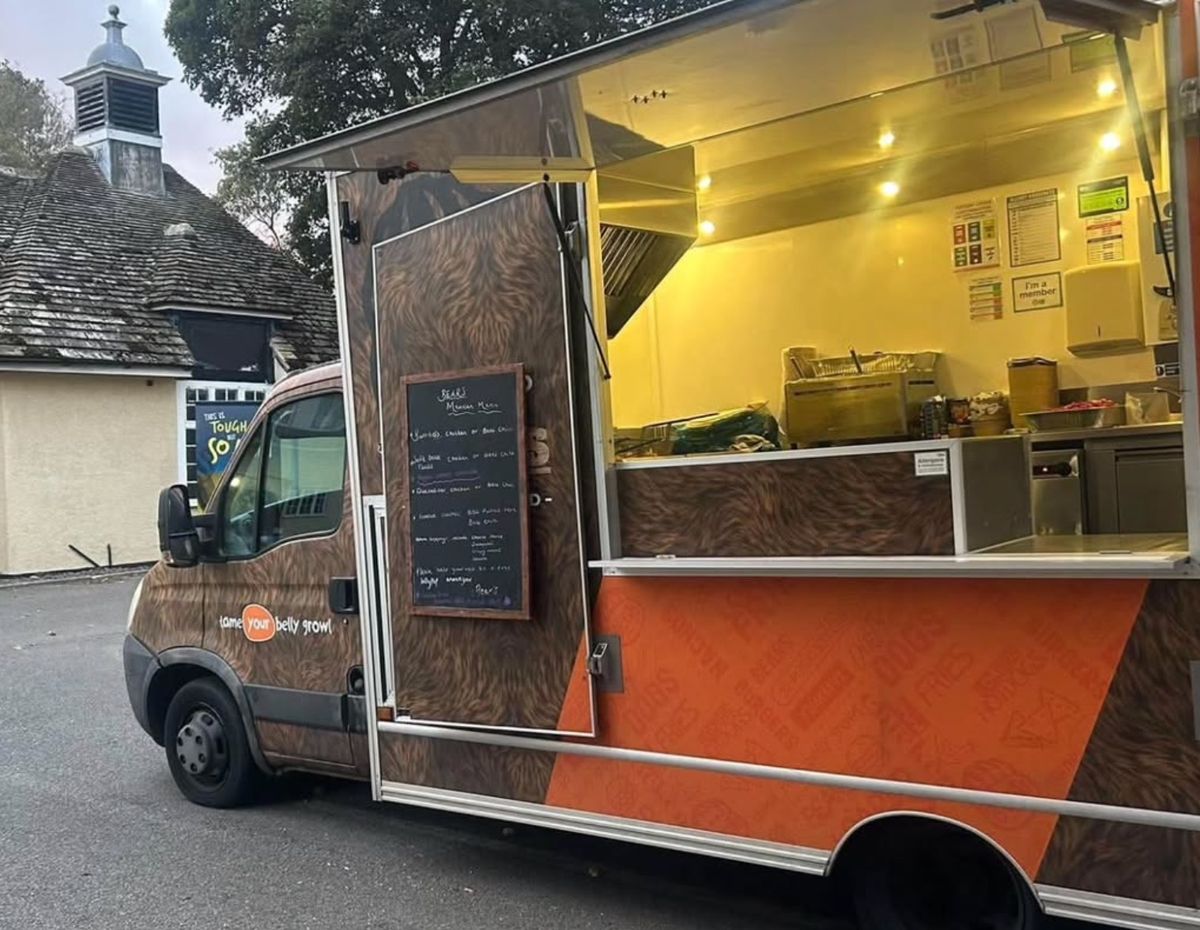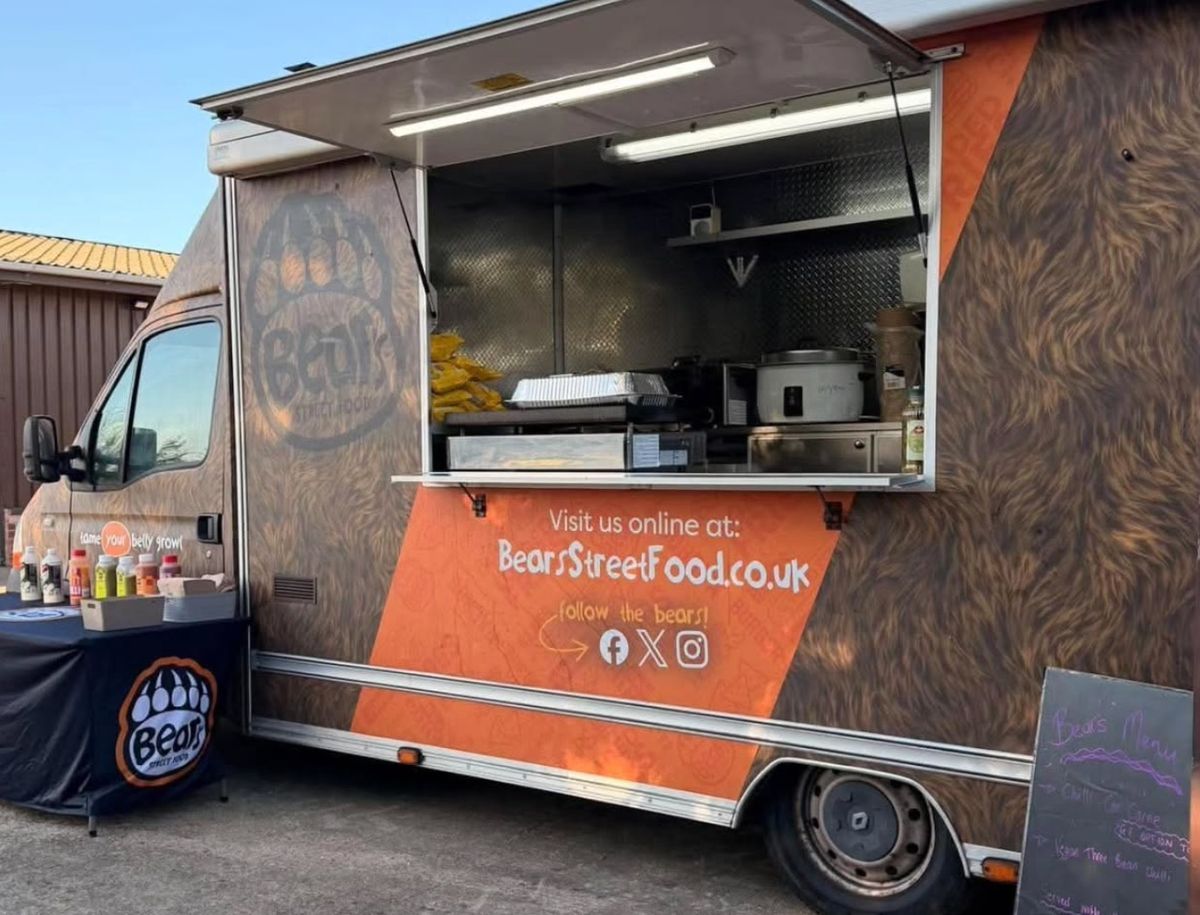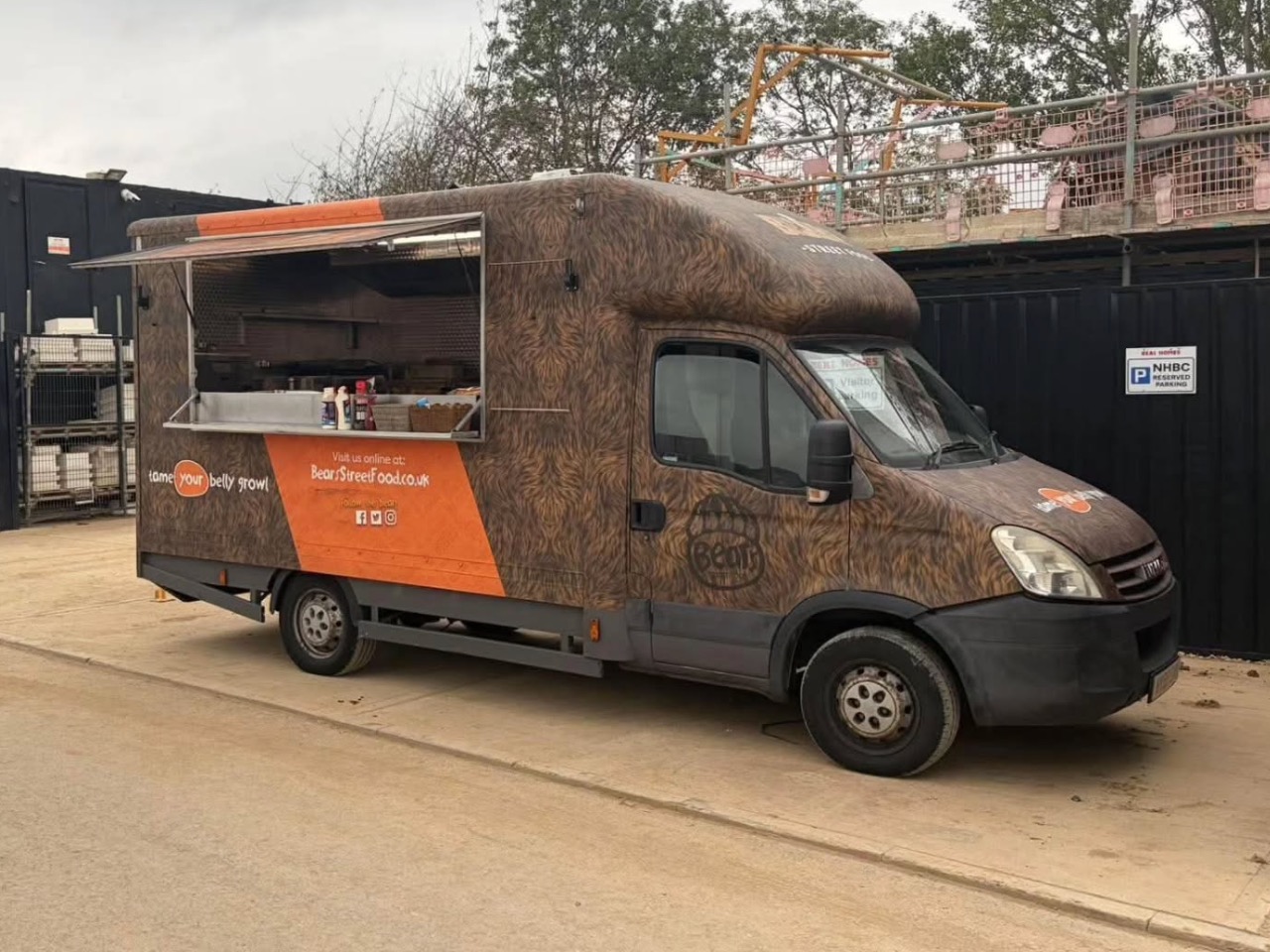
The best place for catering at a unit base is on firm, level ground, close to where the crew gather but clear of vehicle routes and far enough from set that cooking doesn’t affect filming. In autumn, ground conditions and access need closer checking, because soft verges and wet fields can stop a catering vehicle from getting where it needs to be.
Where the catering unit parks affects the day more than most people expect. Put it in the wrong place and breaks overrun, crew walk too far in the rain or a vehicle gets stuck. If you’re planning unit base catering for an autumn or winter shoot, these are the practical questions to work through with your locations team and caterer.
Where should catering go at a unit base?
Close enough to the crew that people can get food quickly, but positioned so it doesn’t interfere with set, sound or vehicle movements. In practice, that usually means within easy walking distance of the main crew parking and welfare facilities, on the opposite side of the base from the busiest vehicle routes.
Think about the walk from set too. If the crew have a long trek to the catering unit and back, a short break becomes even shorter. On large locations, it can be worth placing catering nearer to set than to the main base, as long as smoke and cooking smells won’t drift onto the shot.
Bear’s units run on silent power, removing one of the usual reasons to keep catering at a distance. The sound department won’t have a generator to worry about.
What access does a catering vehicle need?
A route the vehicle can actually use, from the public road to its final position. That means checking width, height, turning space and any weight restrictions along the way.
Rural locations often bring narrow lanes, low branches, tight gateways and farm tracks. Urban locations bring their own problems: parking restrictions, low bridges, tight corners and limited loading space. Ask the caterer for their vehicle dimensions early, and have the locations team check the route against them. A vehicle that can’t make the final turn into a field is a problem you want to find on the recce, not on the morning of the shoot.
If you need parking suspensions or permits for the catering unit on a street location, include it in the production’s location applications along with the other unit vehicles.
What ground conditions does a catering unit need?
Firm, level ground that will take the weight of the vehicle in wet weather. Hardstanding, such as a car park, yard or tarmac track, is ideal. Grass and soft ground can be workable in dry conditions but become risky after rain.
Autumn is where this catches productions out. A field that was perfectly firm on a September recce can be waterlogged by November. If the only available space is grass, talk to the locations team about ground protection, such as trackway or matting, and have a backup position on harder ground in case the weather turns.
Level ground matters inside the unit too. A catering vehicle needs to sit level for safe cooking, so a steep slope can rule out an otherwise convenient spot.
How do you plan for setting up in the dark?
Assume the caterer will arrive and set up before it’s light. On early autumn and winter calls, breakfast is often served in the dark, which means the catering team will reach the base long before sunrise.
Make sure the route to the catering position is easy to find and safe to drive in low light. Clear directions, a precise map pin and a contact on site who knows where the unit should go all save time. Lighting around the catering area and the crew’s walking route matters too, both for safety and for a decent start to the day. We cover the wider effect of shorter days in unit base catering for autumn and winter.
What should you tell your caterer before the shoot?
The more detail they have in advance, the smoother the morning will be. Share the exact position for the unit, with a map pin and a description of how to reach it, along with any access restrictions such as height, width, weight or gate times. Describe the ground surface and whether ground protection will be in place. Give the arrival time and confirm who will meet the vehicle on site. If a unit move is planned during the day, say where the second position is.
Your location manager will also want the caterer’s risk assessment and method statement (RAMS) before the shoot. Our guide to what location managers want in a caterer’s RAMS and compliance pack covers what to look for.
What happens when the unit moves?
The same questions apply at every position. If the shoot moves to a second location during the day, the catering position there needs the same checks on access, ground and distance from set. A self-sufficient unit, with its own silent power and fresh water, can relocate without needing new connections at the next site, which makes a mid-day move far simpler.
We look at this in more detail in how mobile catering handles multi-location shooting days. And if you’re still choosing a caterer, ask how they handle access and positioning as part of the questions to ask before booking a TV and film caterer.
Plan your unit base catering with us
If you’re recceing autumn or winter locations, bring us in early. We’ll work with your locations team on access, ground and positioning so catering is ready when the crew arrive.
Contact Bear’s Street Food with your locations and shoot dates.