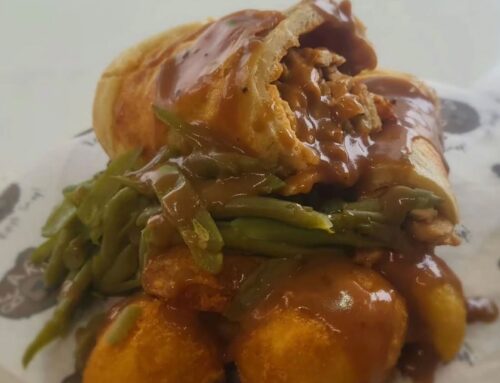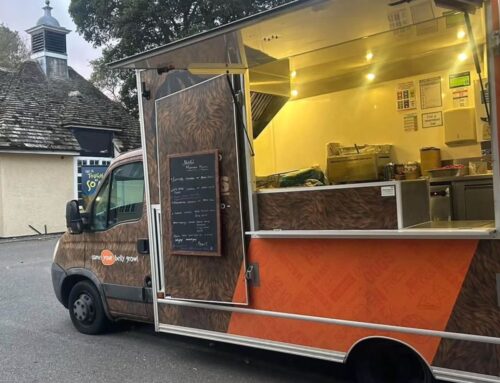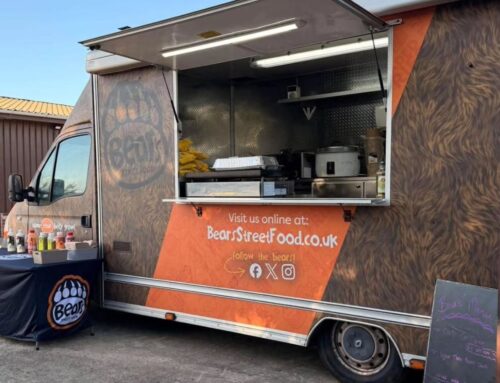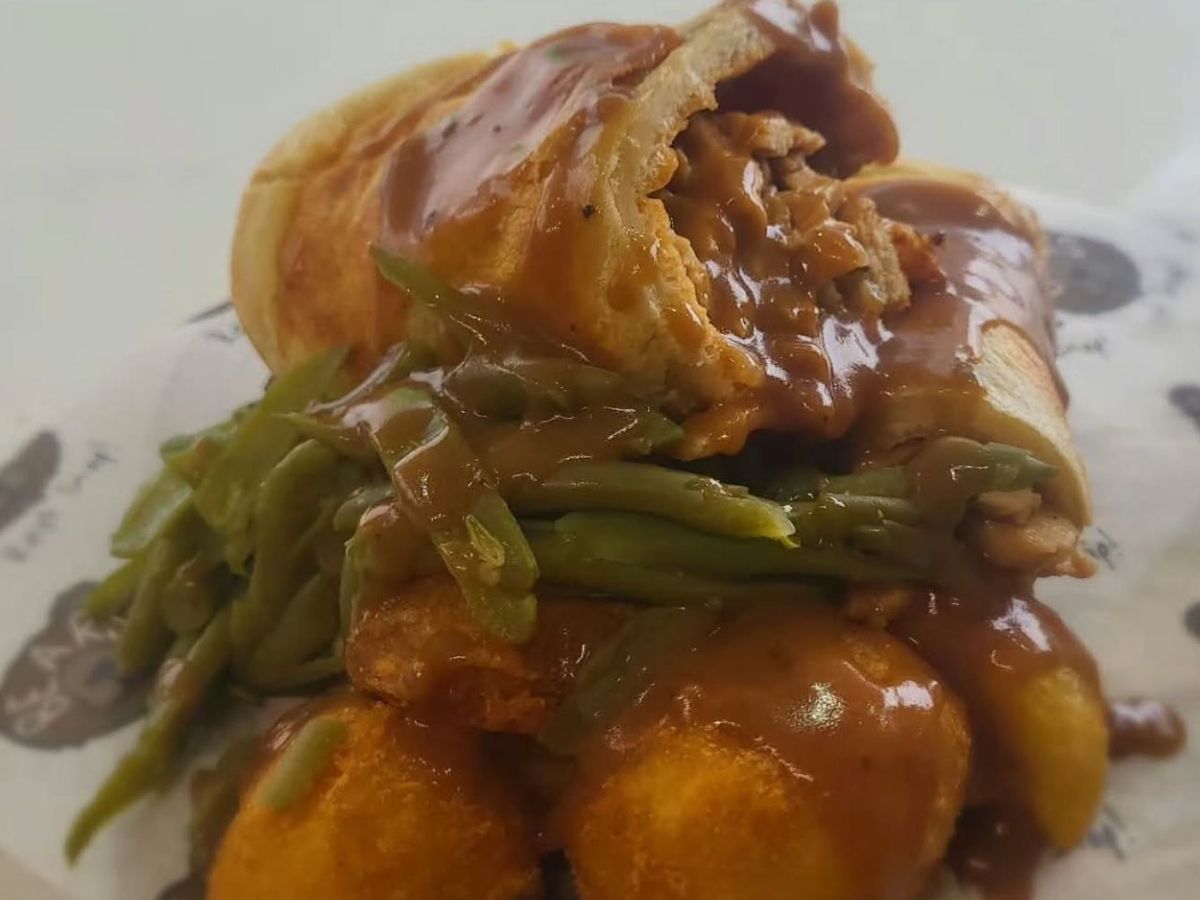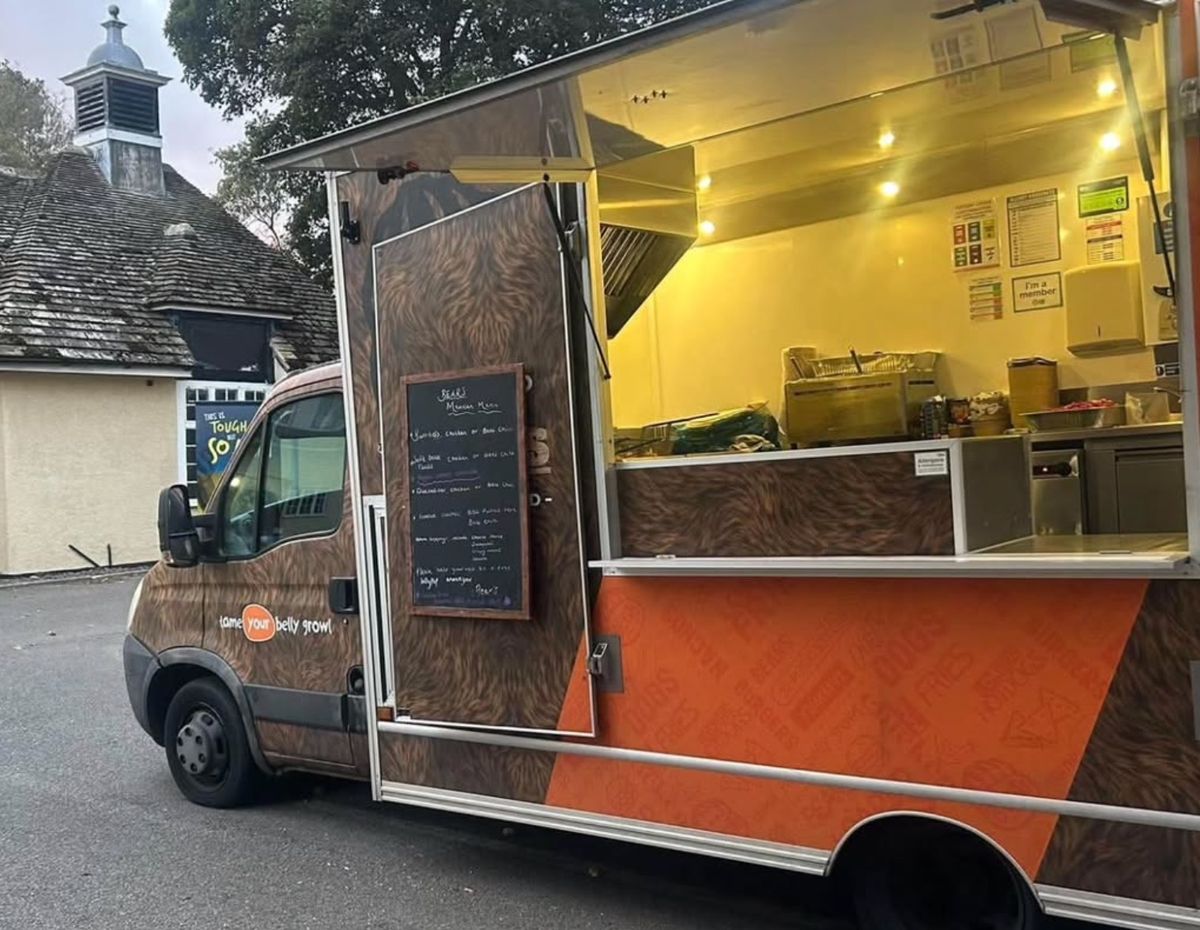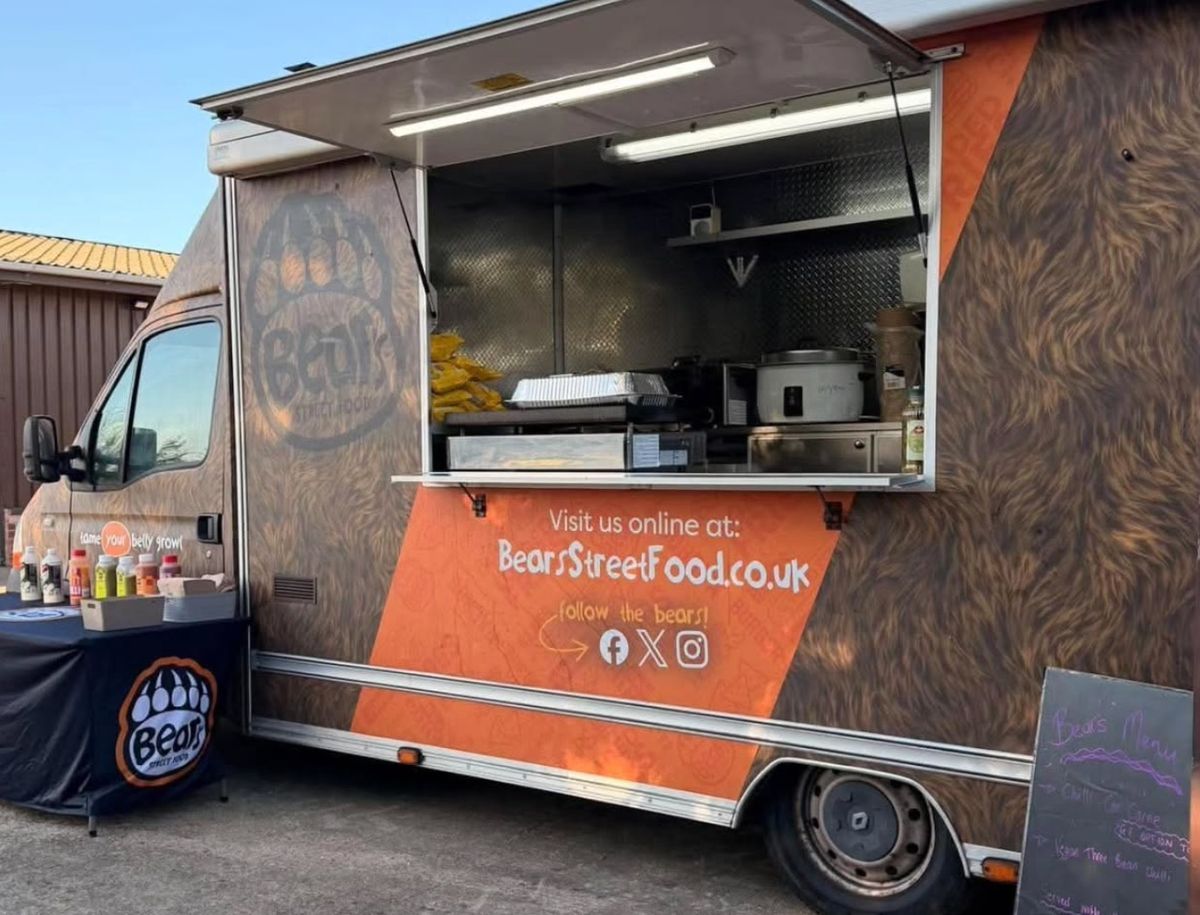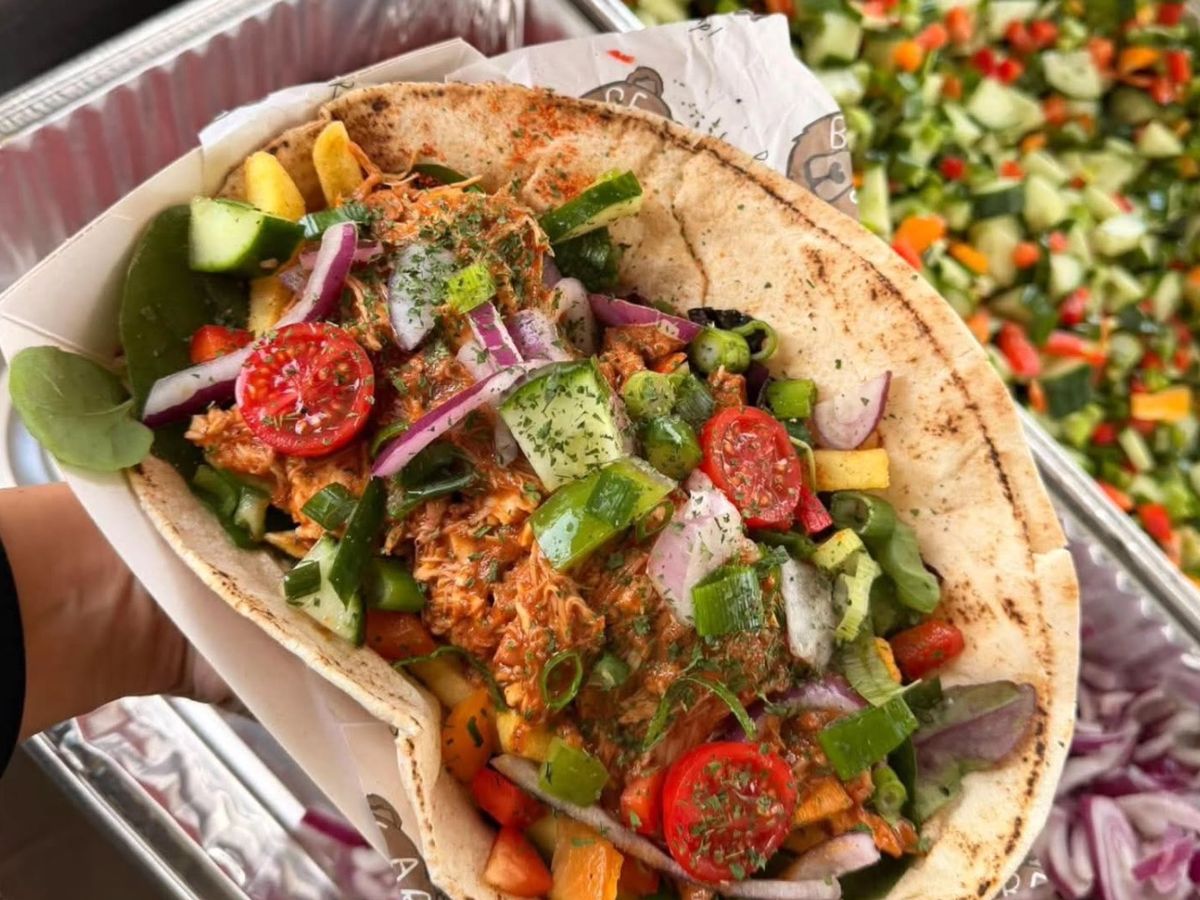
Prep week and tech recce catering serves two purposes. It feeds the smaller teams working before principal photography, and it gives your caterer an early look at locations, access and unit base positions. Bringing them in at this stage means problems are spotted while there’s still time to solve them.
This post is for location managers and production managers planning the weeks before a shoot, particularly productions setting up in January for spring filming. For an overview of Bear’s TV and film catering services, from location filming to studio productions, see our main page.
Does prep week need its own catering?
It can, depending on the size of the team and where they’re based. Prep often involves several departments working long hours at a production base, studio or location while construction, art department and the production office ramp up.
If the team is sizeable, or based somewhere with few food options nearby, an on-site caterer keeps people working and avoids daily runs into the nearest town. Prep catering is often simpler than main unit service, with fewer meals and a shorter day, which makes it straightforward to scale. For a handful of people in an office, it may not be worth it. Weather matters here too, as a January prep base can be a cold place to eat a packed lunch. Talk it through with your caterer and decide based on numbers and location.
Why bring your caterer on the tech recce?
The caterer is one of the few departments whose set-up depends entirely on the site. Seeing unit base in person lets them check where units can stand, how vehicles will get in and out, and whether the ground will hold up.
A photo and a postcode help, but a walk-round catches what a map won’t: a low arch, a soft verge, a gate that’s locked at night. If the caterer can’t attend the recce itself, share photographs, video and measurements of the proposed unit base afterwards. Our post on unit base site access and ground conditions lists the details that matter most.
What should the caterer check during a recce?
Use the recce to answer the practical questions:
- where units will park, and whether the ground is firm and level
- vehicle access routes, including weight, width or height restrictions
- the distance from unit base to set, and how crew will move between them
- space for crew to queue, collect food and eat
- restrictions from the location owner, such as hours, noise or vehicle numbers
- how the site might change in poor weather
Record the answers in the location file so they’re available to anyone who needs them later.
For winter productions, our post on weather days and schedule changes covers how to build contingencies into the plan.
When should you first contact your caterer about a new production?
As soon as you have provisional dates and a rough idea of locations. You don’t need a finished schedule to start the conversation. Early contact lets the caterer hold dates, think about units and flag any obvious challenges with the locations you’re considering, and a January call about a spring shoot is a sensible habit for larger productions.
What paperwork should be in place before principal photography?
RAMS, insurance details and any location-specific conditions should be agreed before the first shoot day, ideally during prep. Bear’s provides RAMS and the insurance certification needed for professional set access.
Sorting this in prep also means the location owner sees a complete pack before any vehicles arrive. Our article on what location managers want from a caterer covers the compliance pack in more detail. Your production’s own insurer and health and safety adviser will confirm anything specific to your shoot.
How does early involvement help on day one?
A caterer who has been part of prep arrives on day one already knowing the site, the schedule and the people. That shortens a first morning when everything else is new.
They’ll also have had time to raise concerns about access, timings or numbers before those concerns became problems on a call sheet. Bear’s can be deployed with minimal notice, but on a planned production the time is better spent getting things right in advance. Early starts are a good example: if the first week opens with pre-dawn calls, hot breakfast at base is easier to deliver smoothly when the caterer has already walked the site in the dark.
Can the same caterer cover prep and the main shoot?
Yes, and there are clear advantages to keeping it consistent. A single caterer can scale from a small prep team up to a full unit, and Bear’s serves from several hundred to over a thousand people per meal window once principal photography is under way. Dietary information gathered during prep carries straight through, since Bear’s menus cover all dietary needs as part of the standard service.
How does prep catering fit into the overall booking?
Treat prep and recce days as part of the same booking conversation as the main shoot. Our guide to briefing and booking location catering for a 2027 production covers the complete brief, including how to list prep, recce and pick-up days alongside principal photography so nothing gets left off.
In prep for a new production?
Bring us in early and we’ll help plan unit base from the start. Contact Bear’s.