Crowd days need a location catering plan built for volume: more serving points, a confirmed headcount from the crowd team, a menu that’s quick to serve and enough space for people to queue and eat. Get those right and a day with hundreds of extra people can run to the same break times as any other.
A big crowd scene can double or triple the number of people on location overnight. It’s one of the most testing days for any caterer. If you’re planning location catering for a shoot with large supporting artist calls, these are the questions to work through in advance.
What makes crowd days hard to cater?
The sudden jump in numbers, all needing feeding in the same short window. On a normal day, the caterer knows the unit, the dietary needs and the rhythm of the breaks. On a crowd day, hundreds of additional people arrive, many of them new to the production, and they all need food before the cameras roll again.
Supporting artists also tend to be called on a different schedule from the main crew. They may arrive earlier for costume and make-up, wait for long periods between setups and break at different times. A plan that only covers the crew’s breakfast and lunch won’t account for them.
How many people can a location caterer feed on a crowd day?
It depends on the caterer’s equipment, staffing and the number of serving points they can run. Ask any prospective caterer directly how many people they can serve per meal window, not per day, and how they’d scale for your peak headcount.
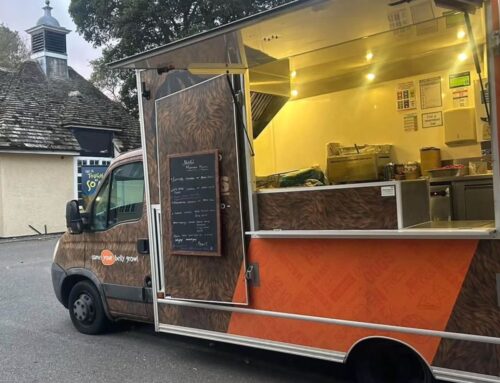
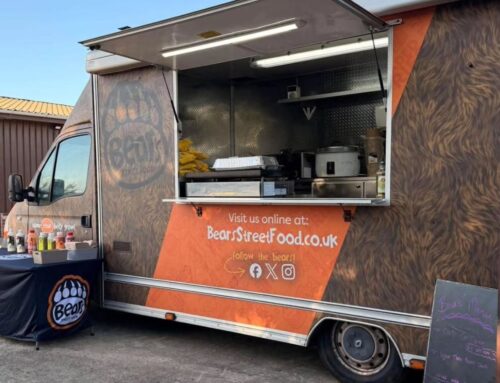
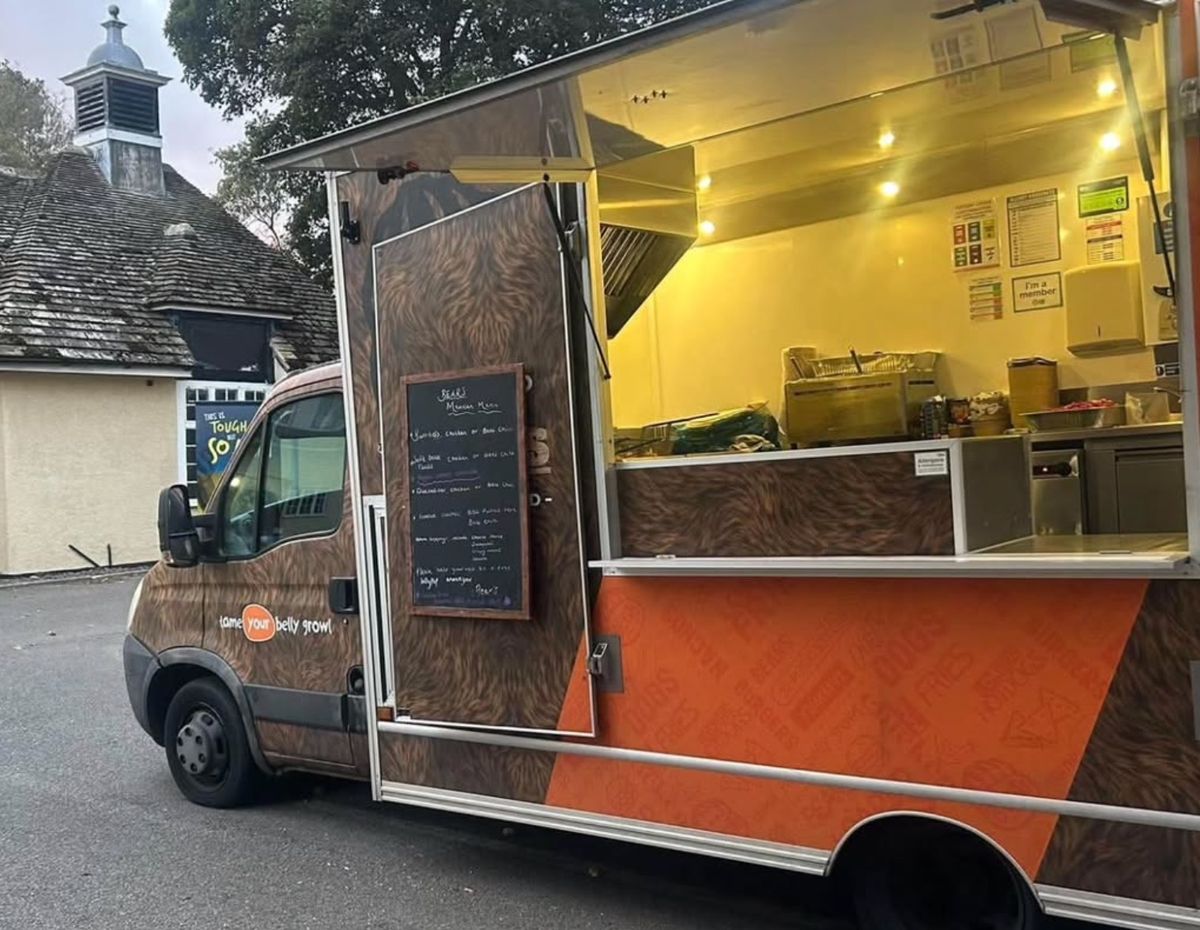
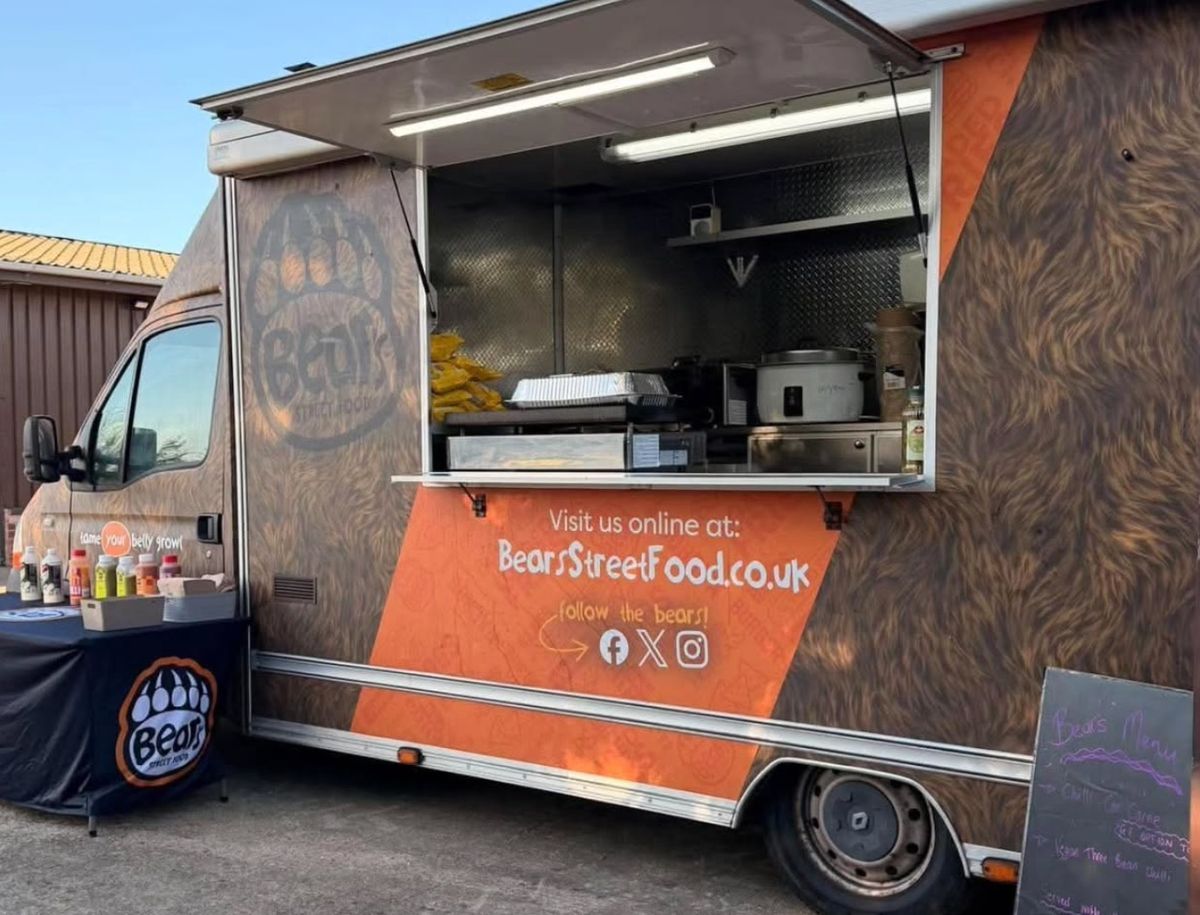
Bear’s comfortably serves from several hundred to over a thousand people per meal window, using high-capacity equipment designed to keep breaks on time. For the very largest days, additional units can be brought in, each fully self-sufficient with its own silent power and fresh water. If you’re stretching an existing booking for a single big day, raise it early, because a second unit needs to be planned rather than added on the morning.
Do supporting artists eat with the crew?
That varies from production to production. Some feed everyone from the same hatch at the same time; others run separate serving times or areas for supporting artists. Your production’s own arrangements and any agreements with the agencies supplying artists will set the approach, so confirm it before briefing the caterer.
Whatever the arrangement, the caterer needs to know it in advance. Separate sittings change the timings, the staffing and the quantities needed at each point in the day.
How do you keep break times on schedule with a bigger headcount?
Increase the number of serving points, keep the menu focused and stagger the flow where you can. A single hatch facing an extra four hundred people will overrun however fast the team works.
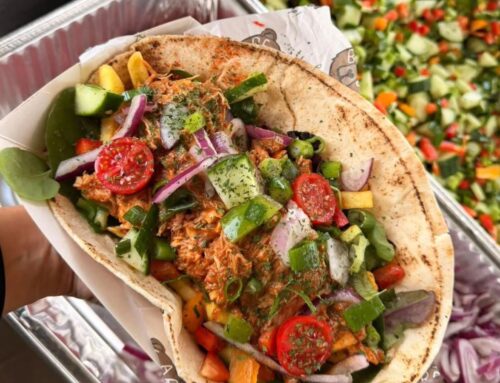
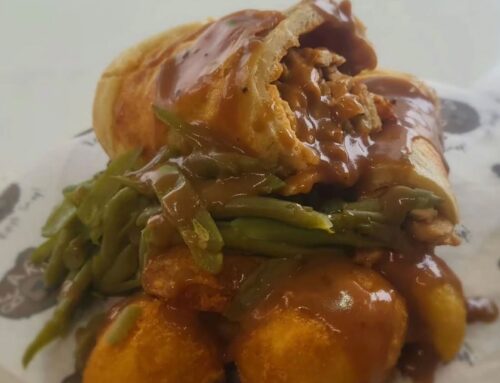
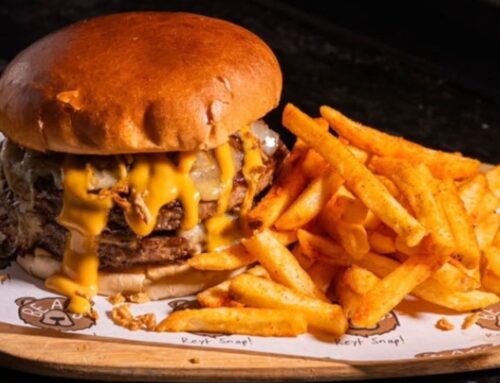
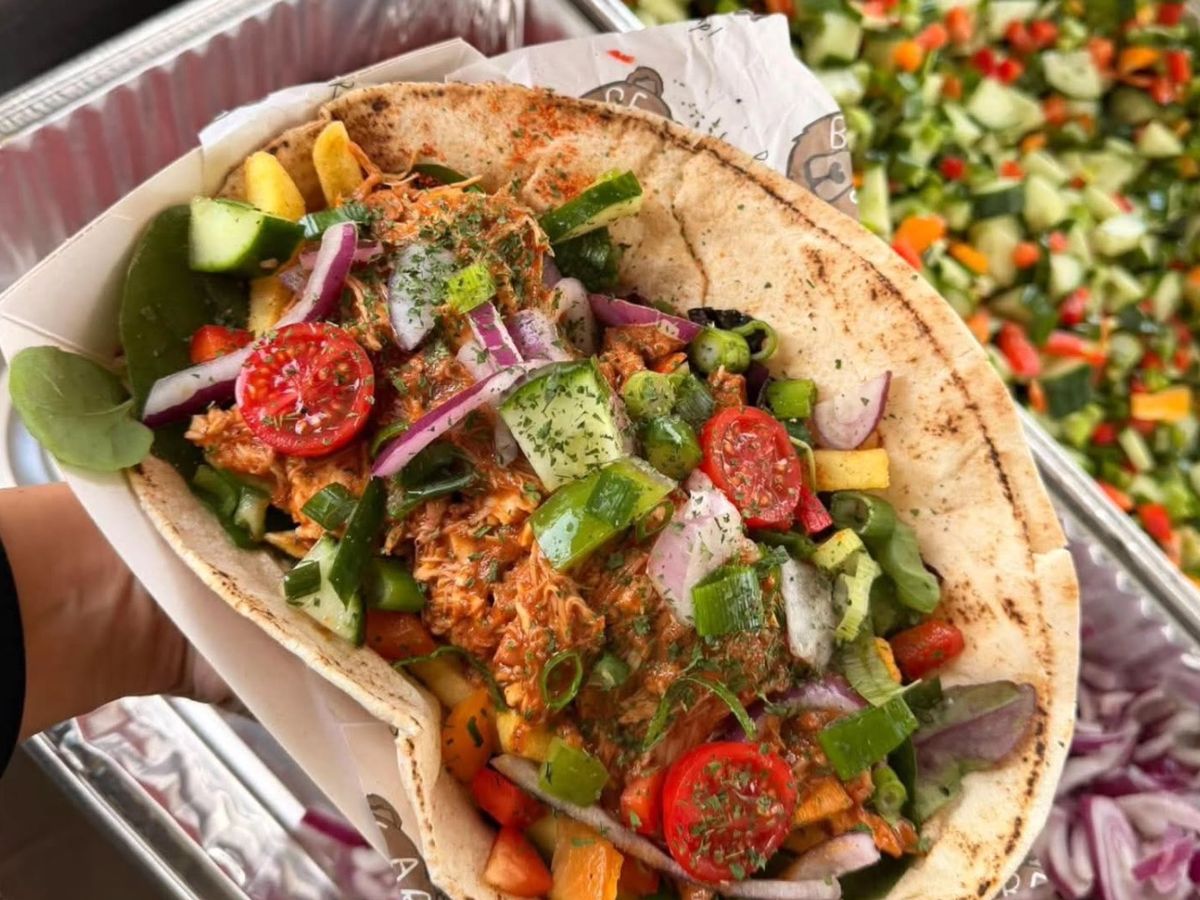
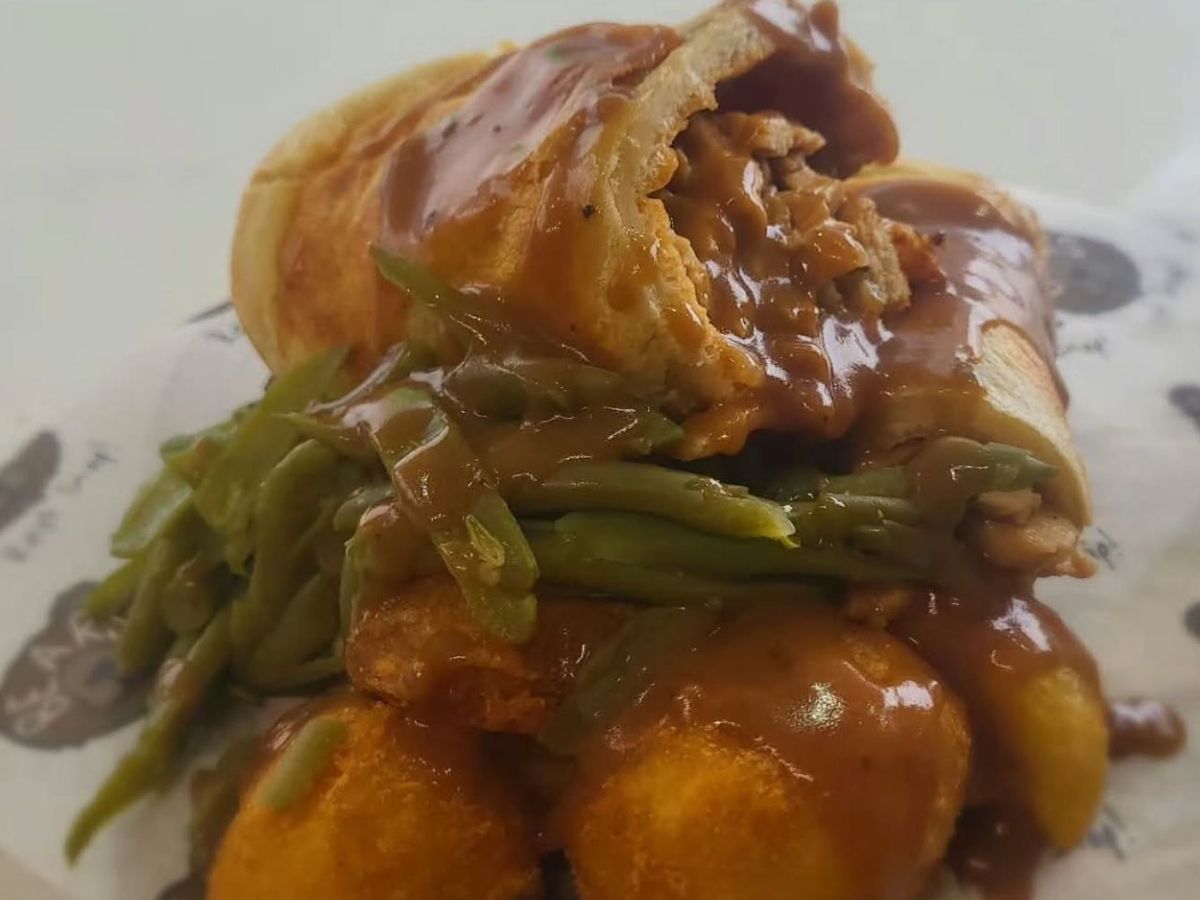
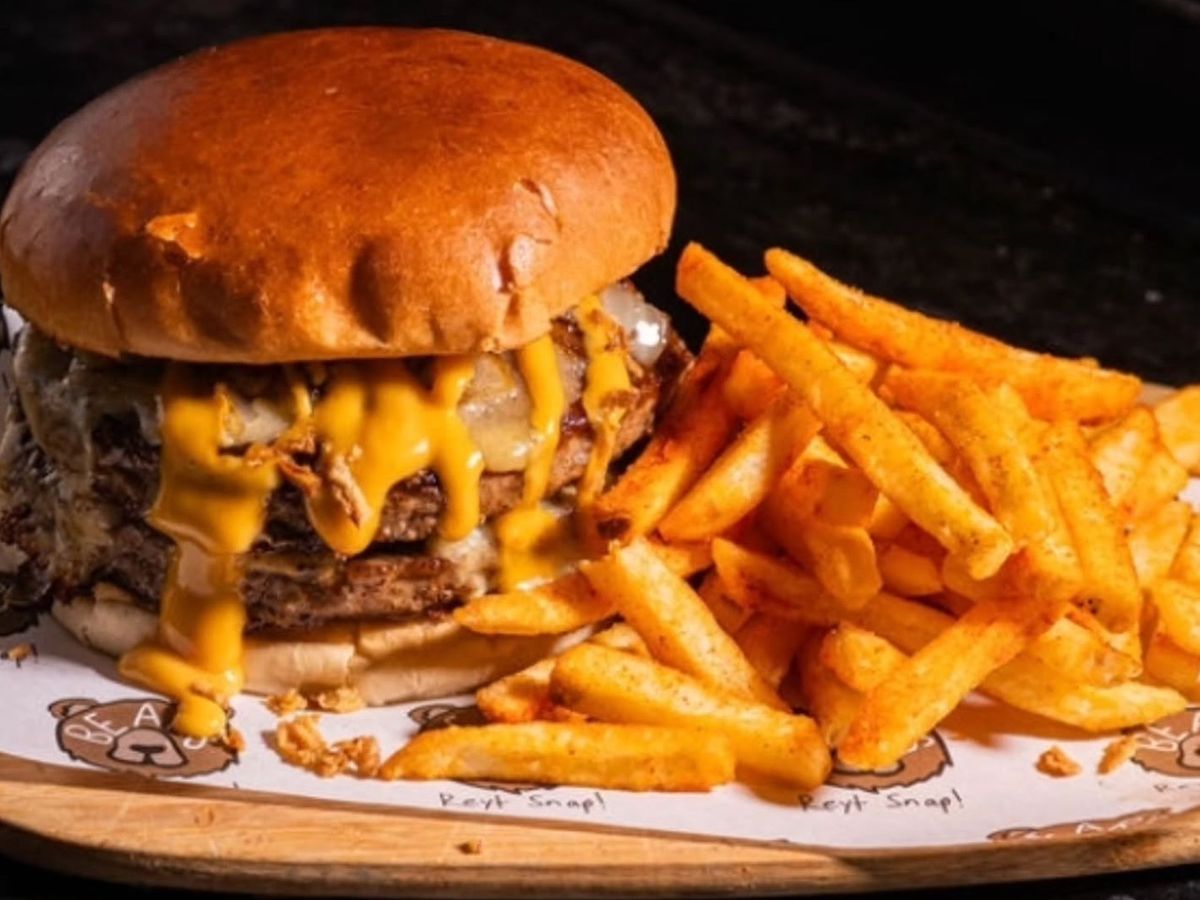
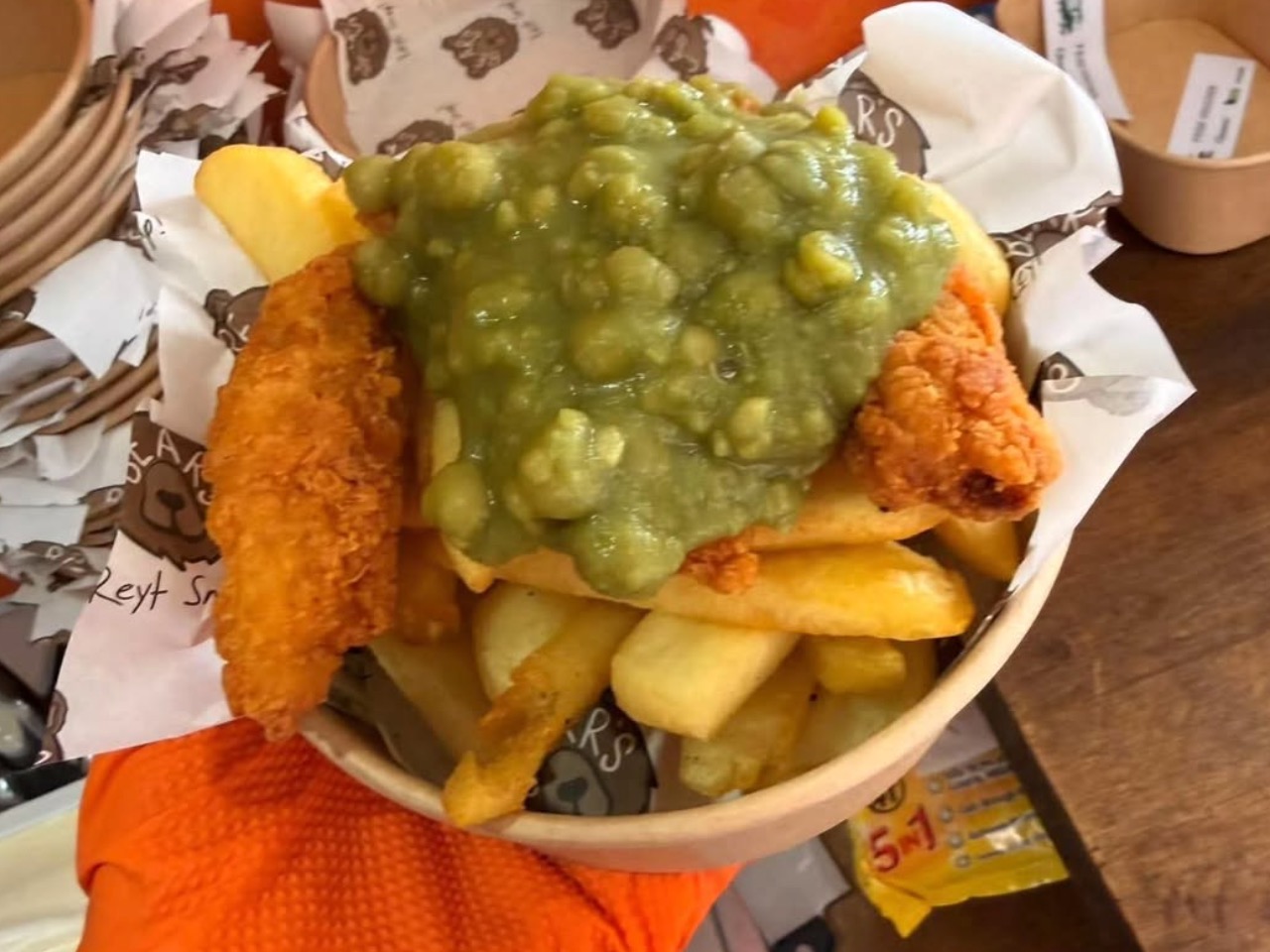
A focused menu matters more on crowd days than at any other time. A few well-chosen hot dishes, each quick to plate, move a queue far faster than a long menu with lots of options. Chicken and chips, flame-grilled burgers, curries with rice and slow-cooked pulled meats all serve quickly at volume.
Staggering helps too. If supporting artists can break slightly before or after the main crew, the peak is spread across a longer window. That’s a decision for the first assistant director and the crowd team, but it’s worth suggesting when the day is being planned. It also feeds into the wider meal plan, which we cover in how many meals a day a film crew needs.
How do you get the headcount right?
Get confirmed numbers from the crowd team or casting as early as possible, then update the caterer as they change. Crowd numbers often move in the final days before a shoot, so agree a cut-off point for final confirmation that gives the caterer enough time to plan.
Under-catering a crowd day causes problems quickly, with long queues, the last people through getting a limited choice and breaks running over. Over-catering wastes food and budget. A clear process for updating numbers is the best way to avoid both.
How do you handle dietary requirements at this scale?
Ask the crowd team to gather dietary information along with the headcount and pass it to the caterer before the day. With hundreds of extra people, there will be vegans, people with allergies and people with religious dietary needs, and the caterer can only plan for what they’ve been told.
Bear’s menus include vegan, gluten-free and halal options as standard, which makes volume easier to manage. Our guide to managing crew dietary requirements on set covers labelling and allergen handling in more detail.
Where should the extra catering go?
Somewhere with space for the queue and for people to eat. On crowd days, the catering area needs more room than usual, and it can quickly spill into vehicle routes or onto set if it isn’t planned.
Agree the layout with the locations team before the day: where each unit will sit, where people will queue and where they’ll eat, especially if the weather turns. Self-sufficient units give you flexibility here, since they don’t need to be near a power or water supply. We explain more about this in how self-sufficient location catering keeps your shoot on schedule.
Large crowd days often happen alongside other volume-heavy shoots, such as studio audience recordings, where the same principles apply.
Plan your next crowd day with Bear’s
If you have a large crowd call on the schedule, talk to us early. We’ll plan units, serving points and timings around your headcount and your break times.
Contact Bear’s Street Food with your shoot dates and expected numbers.