Catering for entertainment recordings means planning around fixed record times, long studio days and several groups of people who need feeding at different points. Feed the crew before the audience arrives and between records, decide early who else the production is catering for and keep service close to the studio so breaks don’t overrun.
Autumn is a busy period for entertainment shows, with studio recordings often running across several weeks. If you’re planning TV & Film catering for an entertainment format with a studio audience, here’s what to think about.
What makes entertainment recordings different to cater?
The schedule is built around fixed points that can’t move. Audience arrival times, recording slots and live elements set the shape of the day, and everything else, including catering, has to fit around them.
Recording days are also long. A typical day might include technical set-up, camera rehearsals, a run-through and one or more recordings, sometimes with two shows recorded back to back. The crew may be on site from early morning until late evening, with only a few natural gaps for meals.
That makes timing more important than on many drama shoots. A meal break that overruns on a drama can sometimes be absorbed. On a recording day, it can push into audience arrival and affect the whole schedule.
Who needs feeding on a recording day?
The production crew, certainly. Beyond that, it depends on the show. Presenters, contestants, guests and performers may need feeding, often at different times from the crew because of rehearsals, make-up and their own schedules. Whether the audience is offered any food or refreshments is a decision for the production.
Settle these questions early and share the answers with the caterer. Each group may need a separate serving time, a separate area or a different approach, and the caterer can only plan for what they know about. Contributors and guests, for example, may need food brought to a holding area rather than queuing with the crew, particularly if they’re in costume or make-up or are being kept apart before the recording.
How do you time meals around recordings?
Work backwards from the fixed points. The crew’s main meal should fall in a gap that won’t be squeezed by rehearsals or audience arrival, which often means serving before the audience is let into the building.
On days with two recordings, a second meal between records keeps the crew going through a long evening. For contributors and guests, agree timings with the floor manager and talent team, as their schedules may not match the crew’s.
Our guide to how many meals a day a film crew needs explains the standard pattern, which you can adapt for a recording day.
Can mobile catering serve a TV studio?
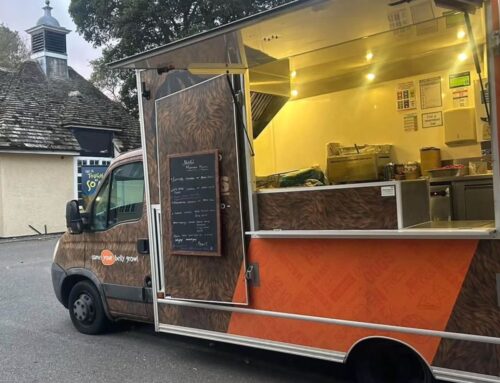
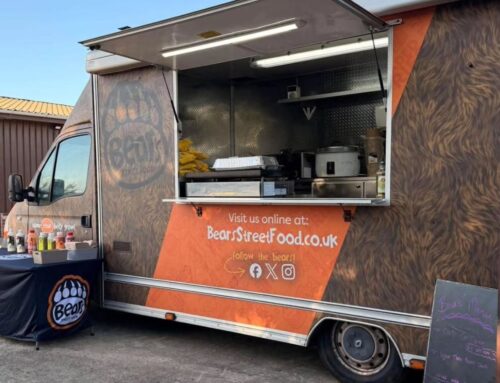
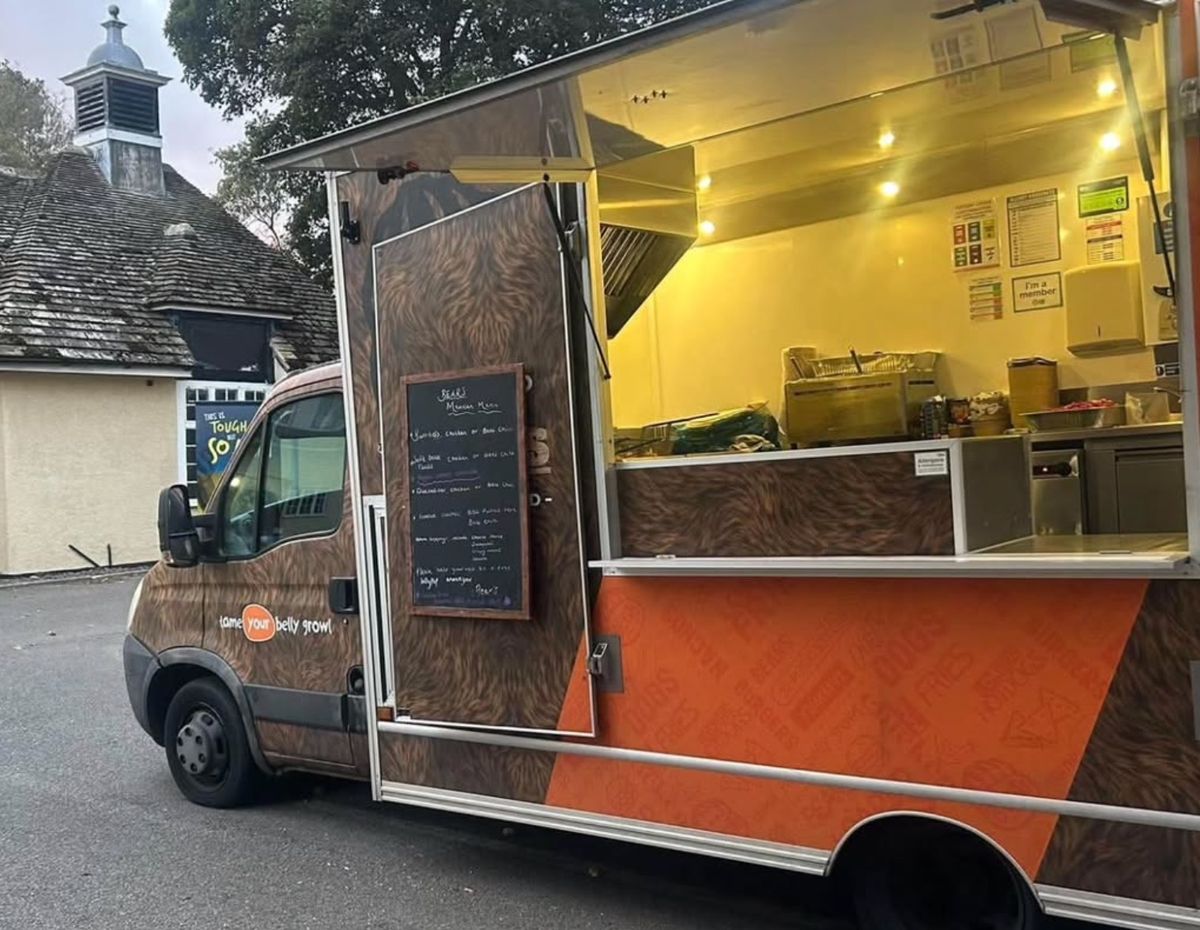
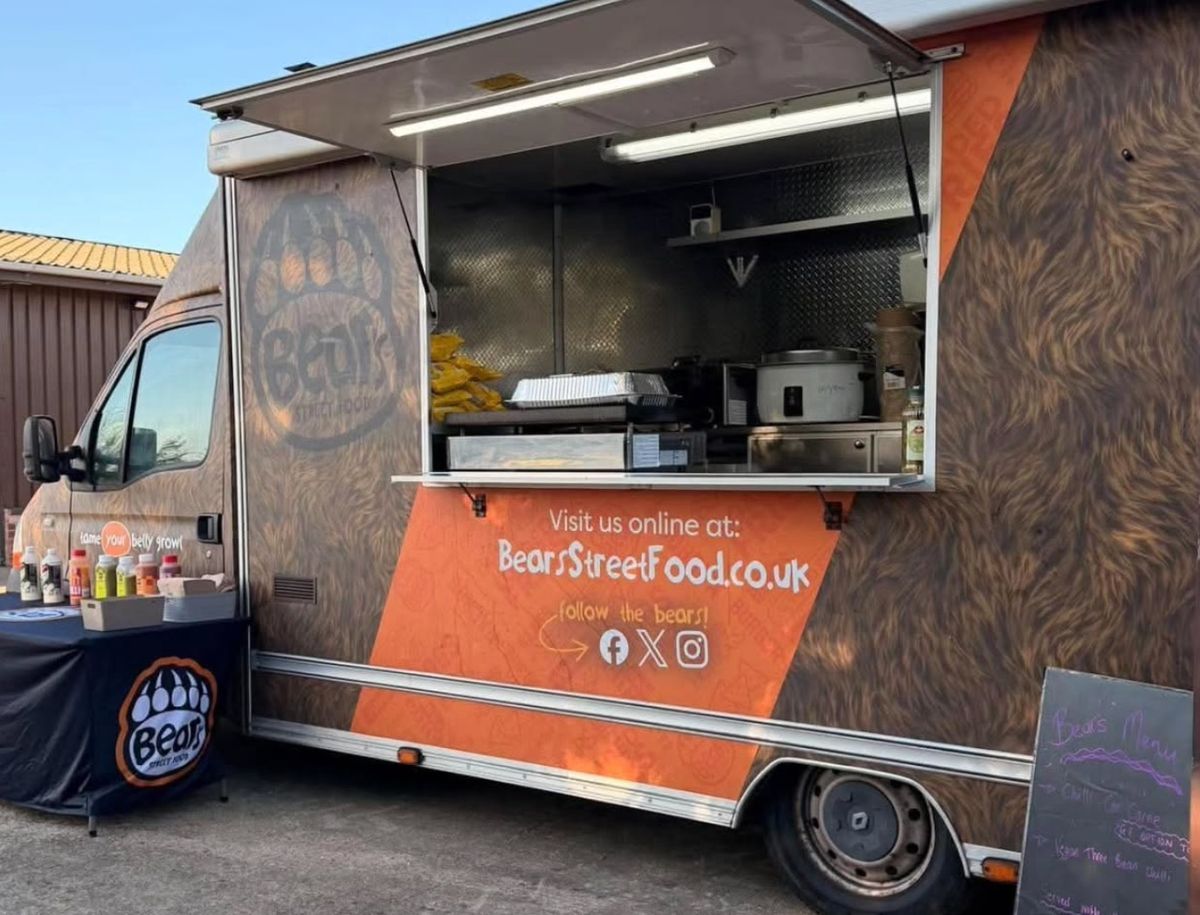
Yes. A self-sufficient catering unit can set up in a studio car park, backlot or yard and serve crew close to the studio floor, without relying on the studio’s own canteen.
This is useful when the studio canteen has limited capacity, closes before recording finishes or isn’t available to every production on site. Bear’s units bring their own silent power and fresh water, so they need no connections from the studio. We cover this in more detail in studio backlot catering.
How do you handle large numbers on recording days?
Plan capacity for the peak, not the average. Entertainment shows can bring large crews, plus contributors, dancers, musicians and others, all needing feeding in the same gap between rehearsal and recording.
Ask any prospective caterer how many people they can serve in a single meal window. Bear’s serves from several hundred to over a thousand people per meal window, and additional units can be added for the biggest days. Many of the same principles apply as on crowd days with supporting artists, where a sudden jump in headcount has to be fed without breaks overrunning.
What food works for long recording days?
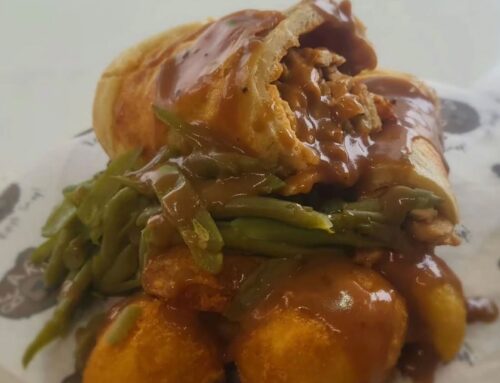
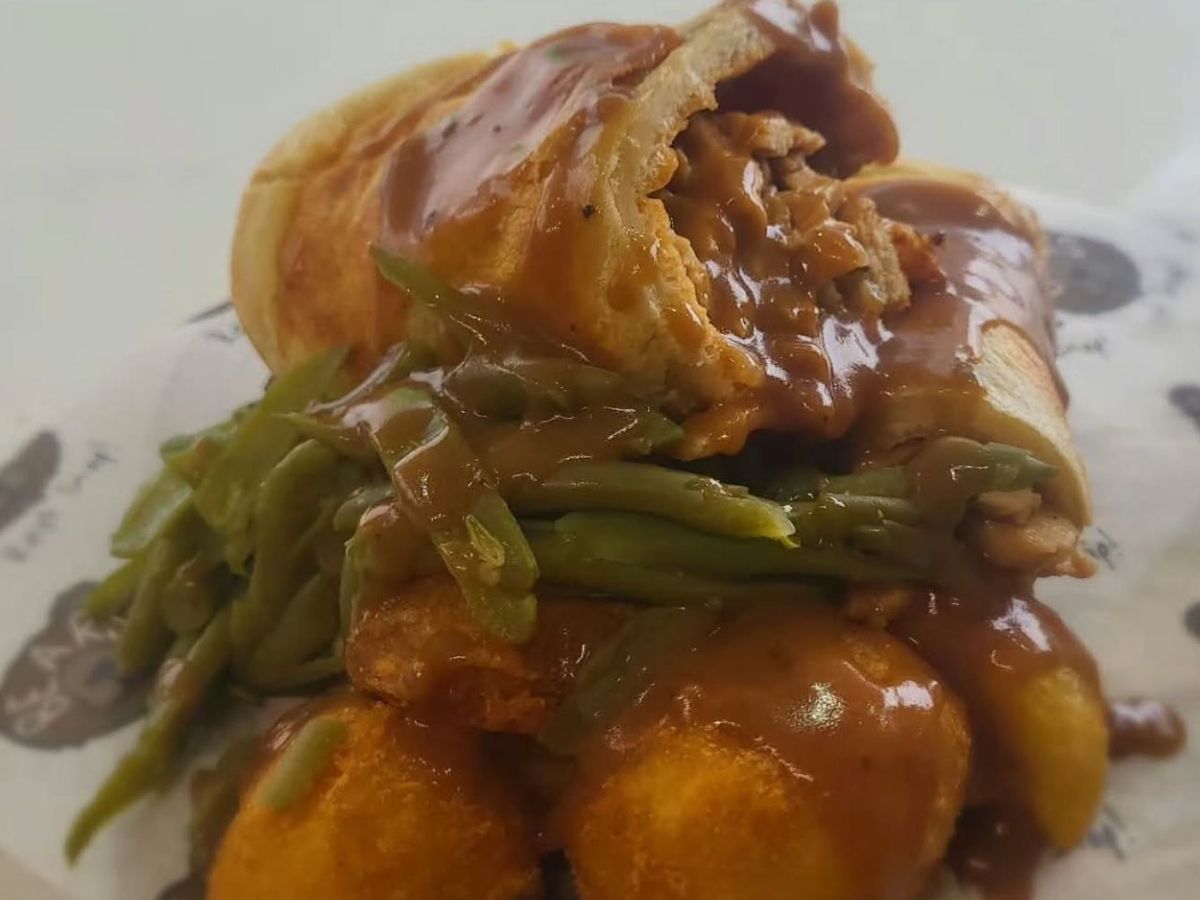
Food that keeps people going through a long day without slowing them down. Hot, filling dishes such as slow-cooked pulled meats, curries with rice, flame-grilled burgers and wood-fired pizza work for the main meal, with something sweet available to lift the late afternoon.
Variety matters if recordings run over several weeks. The same crew eating from the same menu day after day will tire of it, so a rotating menu helps. Vegan, gluten-free and halal options should be part of the standard offer, which Bear’s provides as standard.
What should the caterer know before the first recording?
Share the schedule for each recording day, including rehearsals, record times and audience arrival. Give approximate numbers for each group and the times they’ll be fed, and say where the catering unit will sit and how crew will reach it from the studio floor. Pass on dietary needs for crew and contributors, and the dates of any extra-long days or double recordings.
If the series records over several weeks, a quick review after the first few days helps fine-tune timings and quantities for the rest of the run.
Plan catering for your recording days
If you have entertainment recordings coming up, we’ll build the catering around your record times and your crew so breaks stay on schedule.
Contact Bear’s Street Food with your recording dates and numbers.