A wrap party marks the end of filming and thanks the cast and crew who made it happen. Catering one well means feeding a large, tired group quickly, often in the evening and sometimes at a location with no kitchen. Settle the date, venue, headcount and dietary needs early, and the rest falls into place.
This guide is for production managers and line producers organising the night. It covers timing, venues, numbers and what to brief, with links to related planning guides. For an overview of how Bear’s supports productions, see our TV and film catering page.
What is a wrap party?
A wrap party is a celebration held when filming finishes, bringing together cast, crew and often the wider production team. Some productions hold one at the end of each series block, while features tend to have one at the end of the shoot.
It’s a thank-you as much as a party, and the food is one of the clearest ways to show that the effort was noticed. For crews who have spent long hours away from home, a good wrap is often remembered longer than any single shoot day. Keep that in mind when the budget conversation comes up.
We explore how productions differ in scale and rhythm in series versus feature catering.
When is a wrap party usually held?
Most are held on or soon after the final shoot day, though timing varies with schedules and availability. Some productions wait a few days so people can recover from the last push; others celebrate the same evening while everyone is still together.
Late-year wraps often collide with Christmas, when venues and suppliers are harder to secure, so confirm your date as early as you can. If pick-up days push your final date back, our post on catering for year-end pick-ups and reshoots covers the short-notice side.
Where can you hold a wrap party?
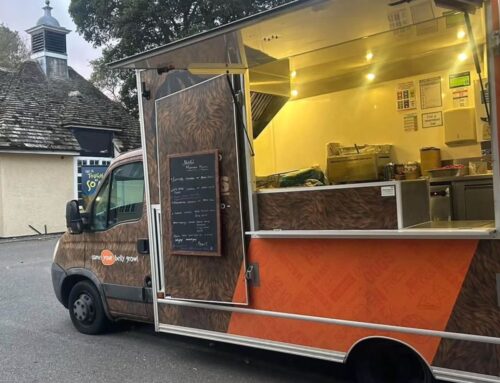
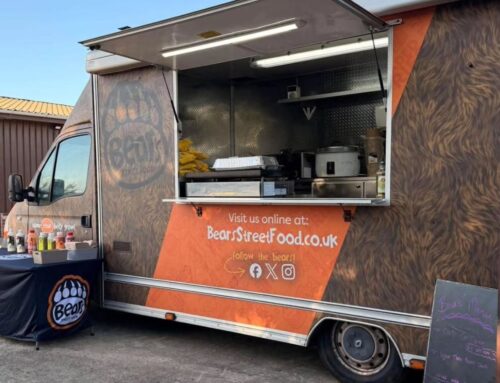
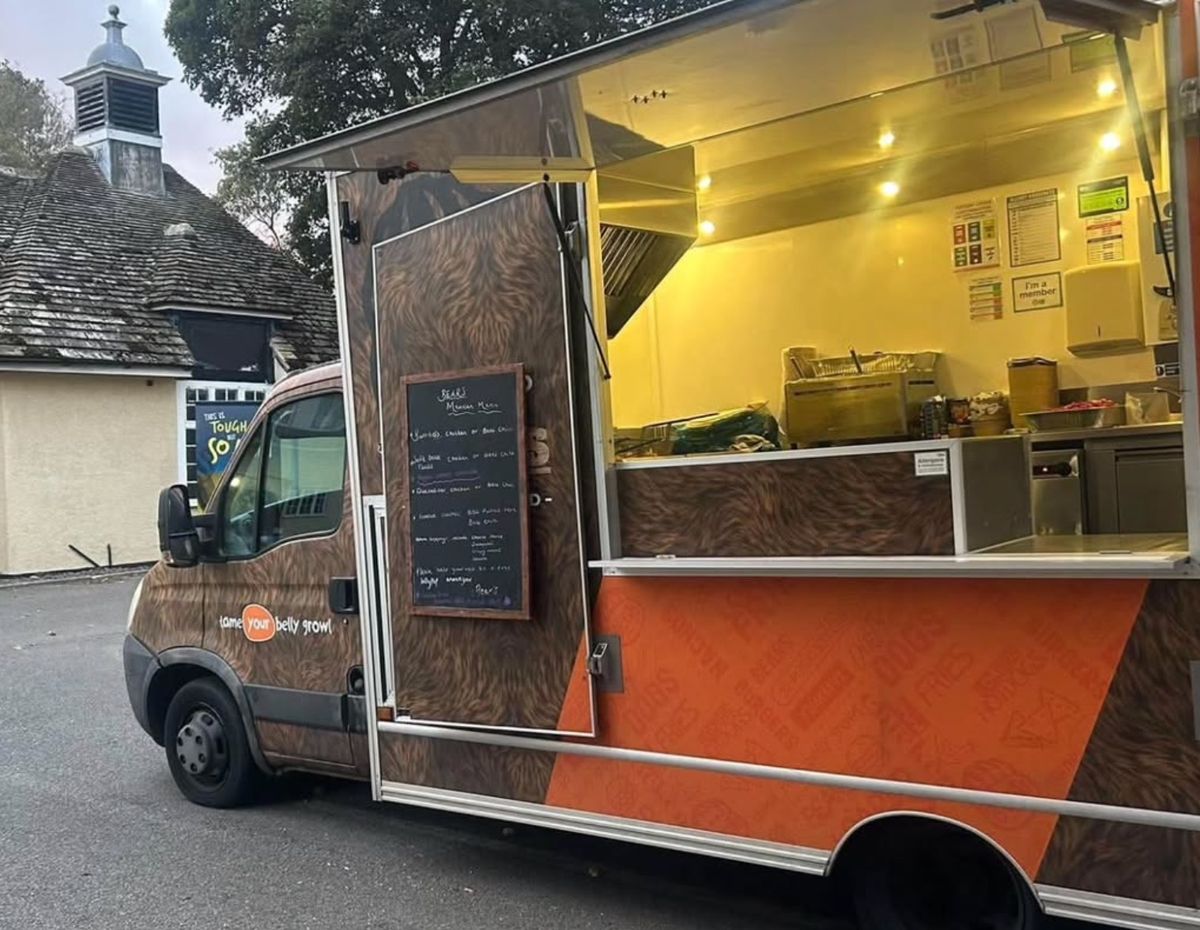
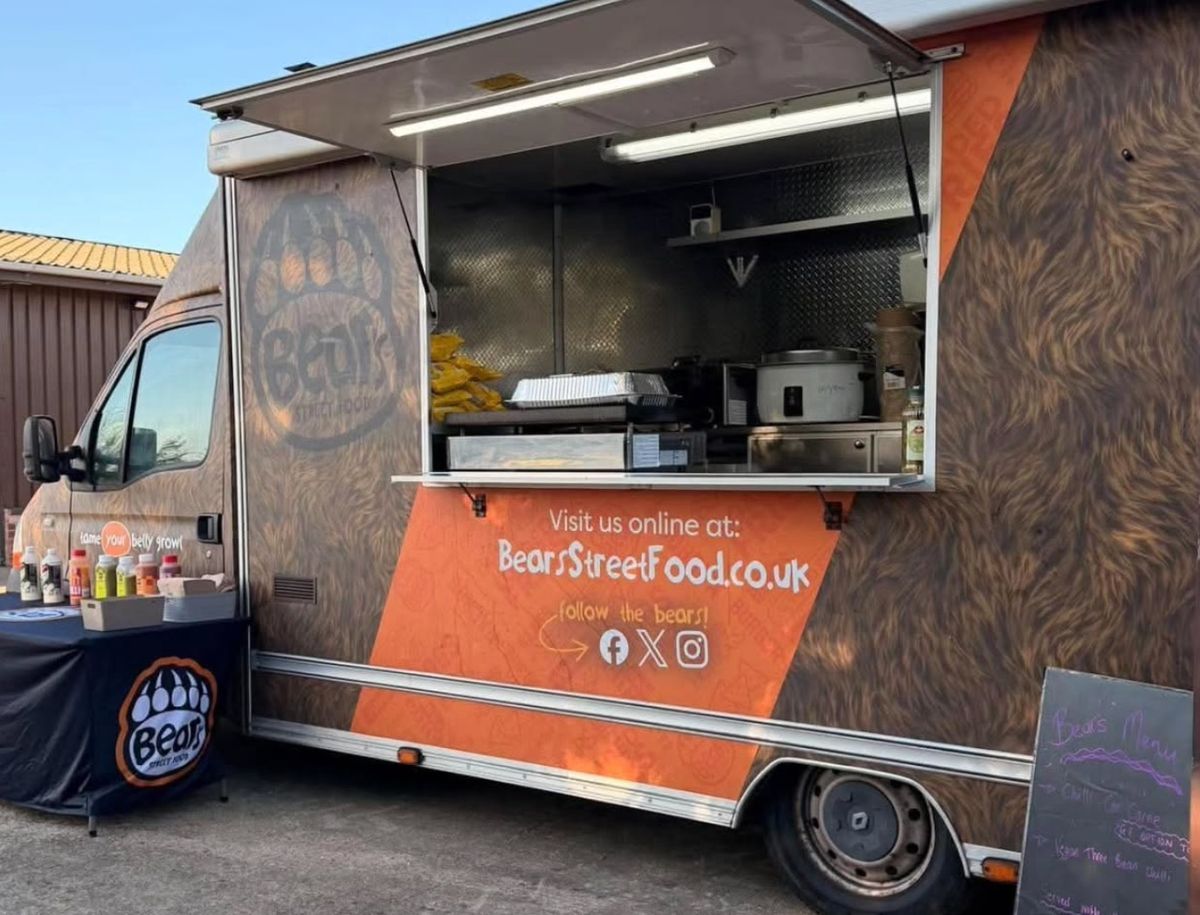
Almost anywhere with safe access and enough space: a hired venue, a studio stage, a location you already have permission for, or the unit base itself. Because Bear’s units carry their own silent power and fresh water, you’re not limited to venues with kitchens.
That makes it possible to celebrate where the work happened, which many crews appreciate. Check with the location owner or studio what’s permitted, including finishing times, noise and vehicle access, before you commit.
Weather is the other factor in winter. An outdoor wrap in December needs a plan for rain and cold, whether that’s a covered area, a building people can move into or simply a shorter outdoor element. A self-contained unit can keep serving, but guests are less forgiving.
Can a wrap party be held at unit base or on location?
Yes, provided the site allows it and you’ve cleared it with whoever controls the land. Holding the party at unit base keeps logistics simple, since access is already worked out and nobody has to travel.
The trade-off is atmosphere. A working base can feel more like another shift than a celebration, so think about layout, lighting and where people will sit or stand. If you’d like a refresher on how bases are set up, our explainer on what unit base catering involves covers the basics.
Who should you invite to a wrap party?
That’s a production decision, but settle it before you brief your caterer, because it can double the headcount. Some wraps are for cast and shooting crew only; others extend to the office team, post-production, location owners, or partners and families.
Whatever you decide, the catering plan follows the final list. A crew-only wrap at unit base is a different operation from an evening event with guests arriving from elsewhere. If you’re inviting people who aren’t on the production’s own lists, collect their dietary needs separately rather than assuming the crew records cover them.
How do you cater a wrap party for a large crew?
Plan for everyone arriving at once and size service to clear that first wave fast. Wrap parties differ from meal breaks: people arrive together, stay longer and come back for more.
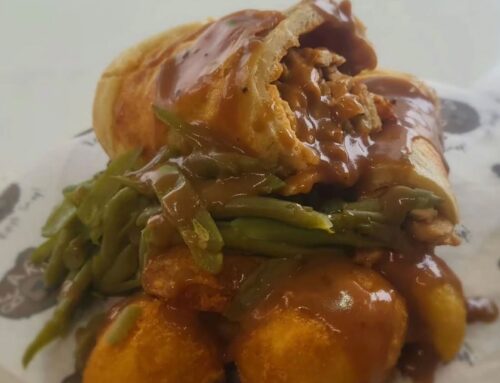
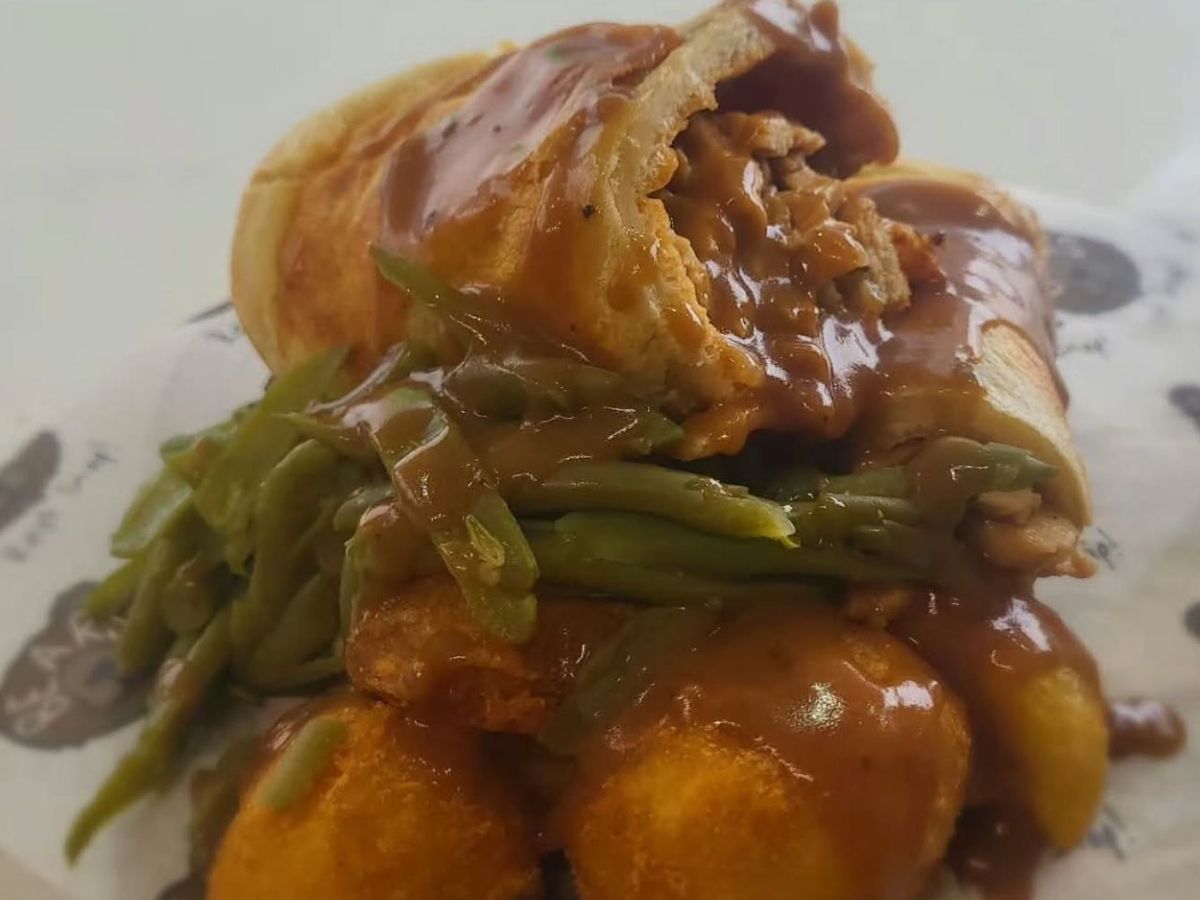
Bear’s serves from several hundred to over a thousand people per meal window, so a big cast and crew is well within range. You’ll still want an accurate headcount, including partners or guests if they’re invited. Generous, hearty food suits these nights best. Flame-grilled burgers, wood-fired pizza and slow-cooked pulled meats carry a celebration into the evening, and Bear’s 24/7 service means a late finish is no obstacle.
How do you handle dietary requirements at a wrap party?
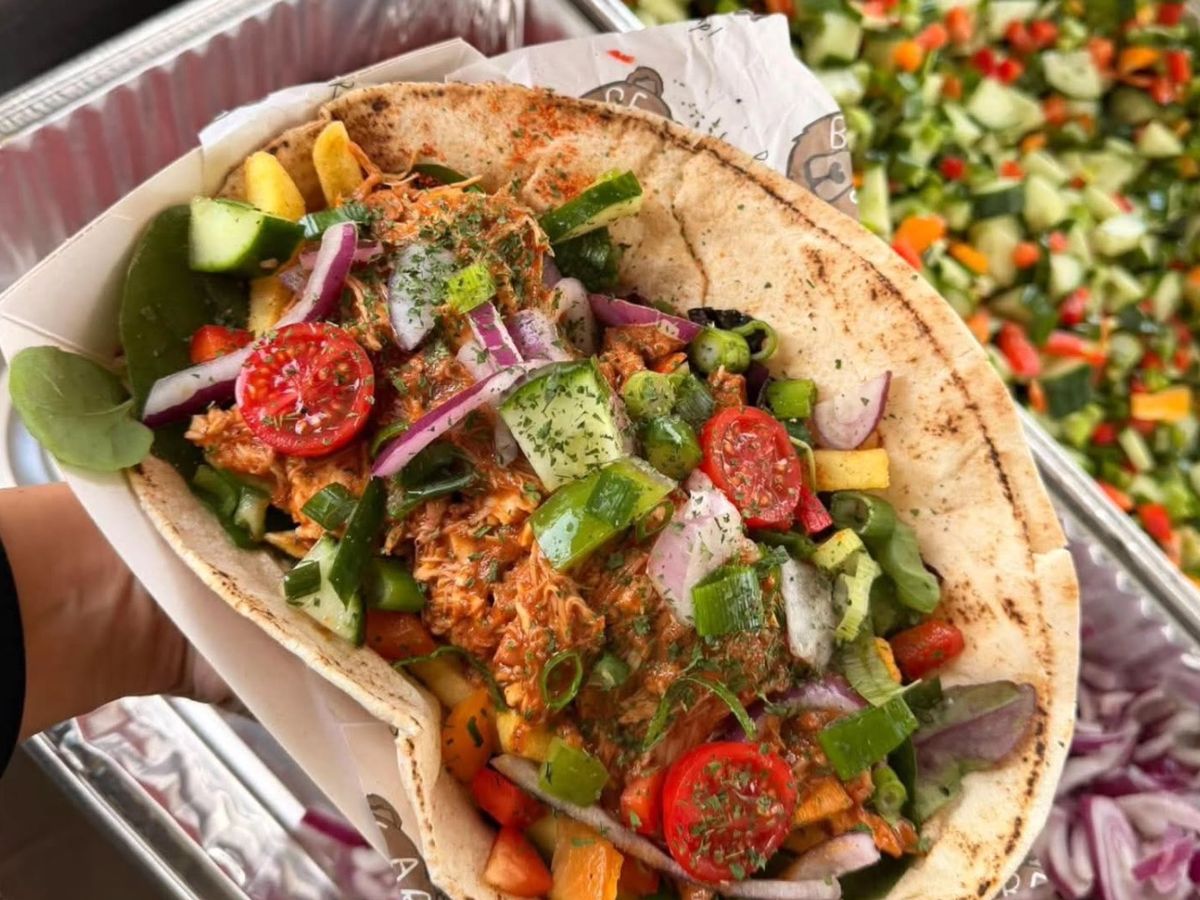
Handle them the same way you would on set: collect them in advance and share the totals with your caterer. Bear’s menus cover all dietary needs as part of the standard service, so nobody should be left with a token option after a long shoot.
You may already have this information from the production, but check it’s current. Invite lists for wraps often stretch beyond the shooting crew. Share allergy details with the same care you would for a working day, since a relaxed evening is exactly when questions about ingredients get skipped. Our post on crew dietary requirements on set covers how to gather and manage it.
How is a wrap party different from a Christmas crew lunch?
A wrap party ends the job, while a Christmas crew lunch happens in the middle of it. The lunch has to fit inside a normal meal window so the schedule holds, whereas a wrap can take its time.
If your shoot runs through December you may want both, and our post on the Q4 production crunch looks at the pressures of a late-year schedule. A festive lunch should slot into your normal meal pattern, which we cover in how many meals a film crew needs each day.
What should go in your wrap party catering brief?
A short brief sent early beats a detailed one sent late. Cover:
- date, start time and expected finish
- venue or location, with access and parking details
- headcount, and whether guests are invited
- dietary requirements and allergies
- site restrictions on noise, vehicles or finishing times
- the tone you want, from a relaxed thank-you to a full celebration
How do you keep a wrap party running smoothly on the night?
Agree a simple running order with your caterer and venue, and give one person on your team responsibility for the evening. Most of the work happens before guests arrive: units in place, service points marked and a clear sense of when food opens and closes.
Think about when food goes out in relation to speeches, a gag reel or thank-yous. Serving first means nobody is hungry while someone is talking, while serving afterwards can create a rush the moment the microphone goes down. Either works if the caterer knows the plan. Confirm the clear-down time too, especially at studios or locations with strict finishing hours.
What affects the cost of wrap party catering?
Headcount, service length, location, travel and date are the main drivers. Late finishes extend staffing time, and December dates carry more demand.
A venue without facilities isn’t automatically the costlier choice when your caterer is self-sufficient, because the unit brings power and water. If budget is tight, holding the party at unit base or a location you already have permission for removes venue hire from the equation, and a focused menu of a few popular dishes keeps service quick without feeling sparse. Ask what’s included in each quote so you can compare them fairly.
Wrapping soon?
Tell us the date, numbers and location and we’ll plan the food for the night. Contact Bear’s.