When shoots stack up towards the end of the year, the safest approach to location catering is to confirm dates early, hold provisional bookings for likely extras and work with a caterer who can scale up quickly. A provider with a fleet that can deploy at short notice keeps you covered when schedules overlap.
The last few months of the year are often the busiest for production. Projects push to finish before delivery deadlines, pick-ups and reshoots get squeezed in, and new shoots start before the old ones have wrapped. If you’re managing location catering across several projects or a crowded schedule, here’s how to stay ahead of it.
Why does Q4 get so busy for productions?
Several pressures land at once. Productions aim to finish photography before the year ends, post schedules depend on that, and festive and awards-period content has its own fixed dates. At the same time, shorter days limit how much can be shot in each one, so schedules stretch.
For production managers, that means more shooting days in fewer weeks, overlapping calls and less slack when something moves. Catering is one of many departments that has to keep up.
What happens to catering availability when schedules stack up?
It tightens. The same pressures affect every production at once, so experienced location caterers get booked up, and short-notice cover becomes harder to find exactly when you’re most likely to need it.
The risk isn’t usually the main shoot, which tends to be booked in advance. It’s everything around it: an extra day added to the end, a reshoot that comes together in a week or a second unit that needs feeding at a different location.
How can a location caterer scale for back-to-back shoots?
By having more than one unit and the people to run them. A caterer with a single van can only be in one place at a time. A fleet can cover overlapping shoots, split units and larger headcounts, including crowd days with supporting artists, without the production having to find a second supplier.
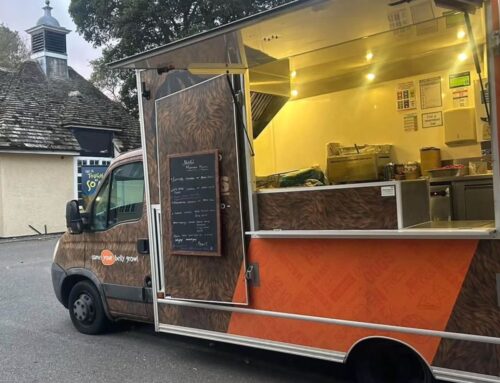
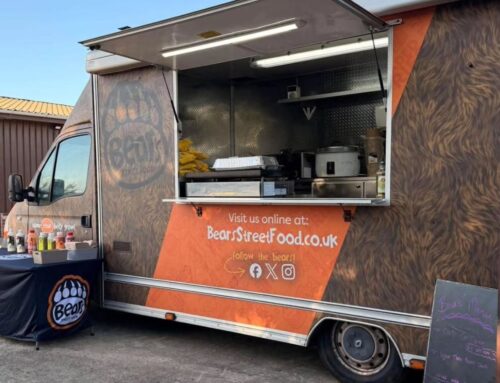
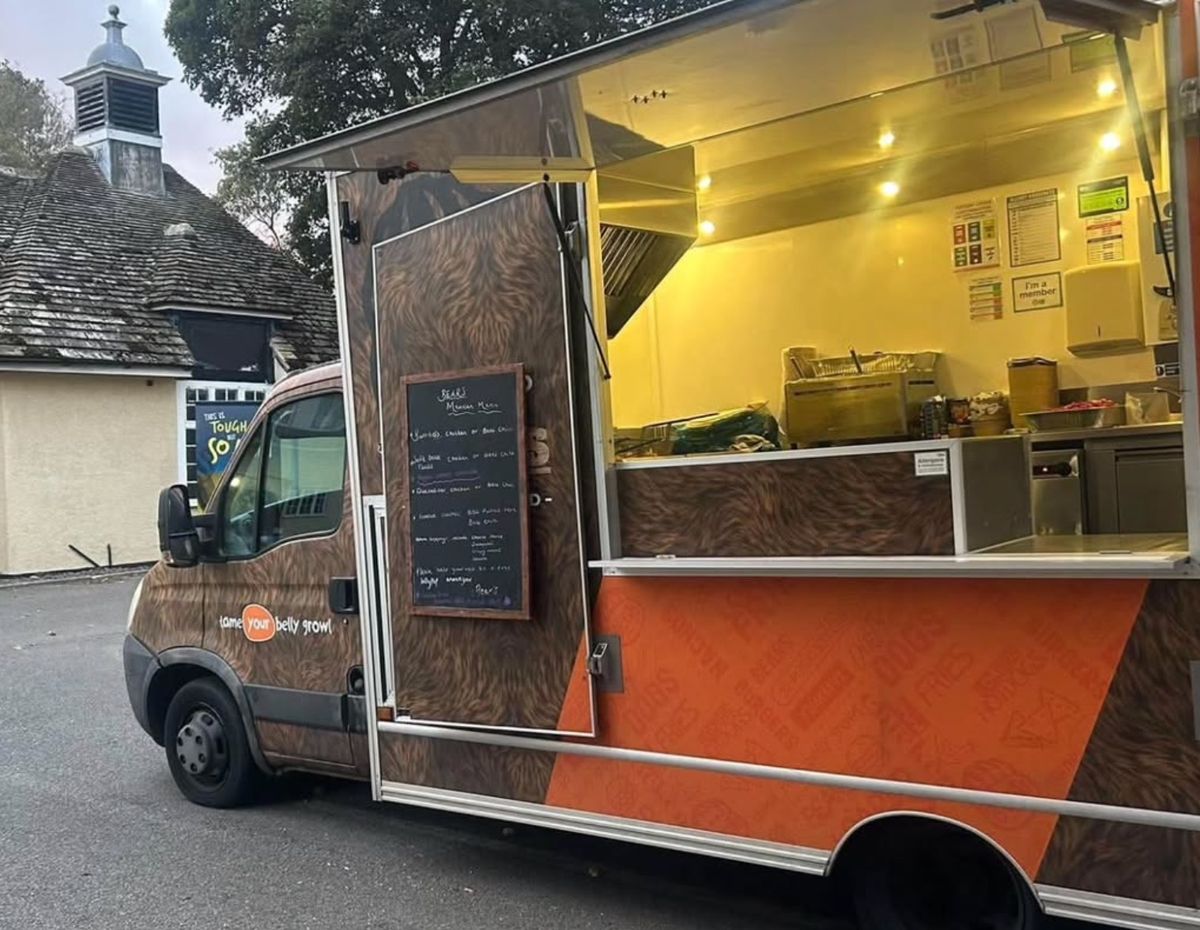
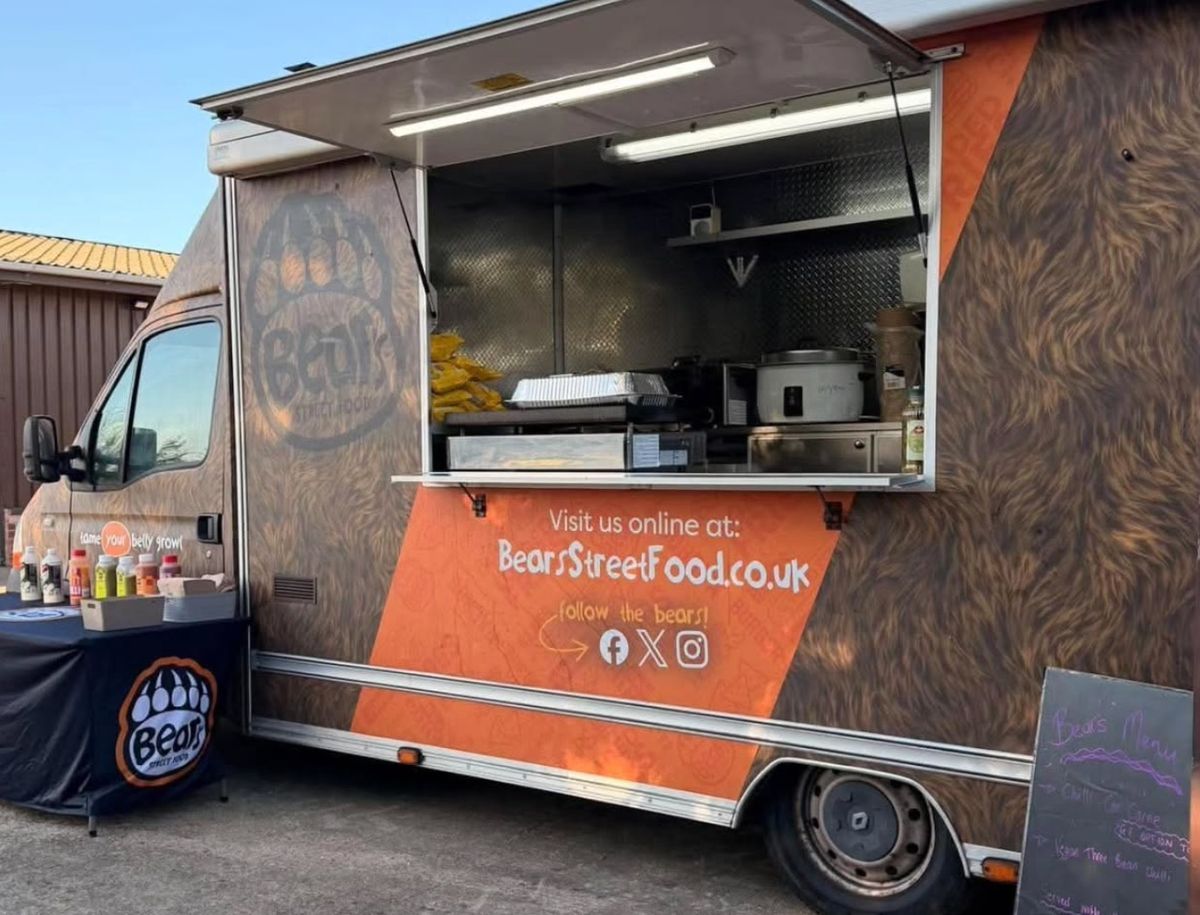
Bear’s fleet can be deployed to remote rural locations, tight urban streets or studio backlots at minimal notice. Each unit is fully self-sufficient, with its own silent power and fresh water, so a second location doesn’t need any extra infrastructure. Capacity runs from several hundred to over a thousand people per meal window, depending on the set-up.
It’s worth asking any prospective caterer directly how many units they can put out on the same day and how they staff them.
Is it better to use one caterer across several productions?
For a production company running several projects in the same period, often yes. One caterer across multiple shoots means one relationship, one set of compliance documents and one point of contact who can see where the pressure points fall across the whole schedule.
It also makes it easier to move capacity where it’s needed. If one shoot wraps early and another adds a day, a caterer covering both can shift a unit across without a fresh booking process. The same logic applies within a single long shoot, where one catering partner keeps costs predictable. And the crews get consistent food and service, whichever project they happen to be on that week.
The trade-off is reliance on a single supplier, so it’s worth checking that the caterer genuinely has the vehicles and staff to cover every date you’re asking for, not just the busiest one.
What should you lock in early?
Lock in confirmed shooting dates as soon as they’re fixed, and talk to your caterer about likely extras before they’re certain. Pick-ups, additional days and second units are all easier to cover if the caterer already knows they might be coming.
Share call sheets as early as you can, even in draft. A caterer who can see the shape of the next few weeks can plan staff and vehicles around it, which matters much more in a busy period than a quiet one.
How do you handle pick-ups and reshoots at short notice?
Give your caterer as much warning as possible, and keep the brief simple: dates, location, call time and rough headcount. Short days like these follow much the same pattern as catering for commercials and short shoots. That’s enough for a capable caterer to confirm availability and start planning.
Using the same caterer as the main shoot helps a great deal. They already know the crew, the dietary requirements and the paperwork, so a short pick-up day doesn’t need setting up from scratch. RAMS and insurance documents are already with the location team, and the menu doesn’t need to be agreed again.
How do winter conditions affect location catering in Q4?
They add time and planning to every day. Ground gets softer, light goes earlier and setting up in the dark becomes routine. Longer, colder nights bring their own demands, covered in unit base catering for autumn and winter. A caterer needs firm, level ground for the unit and a sheltered space for crew to eat.
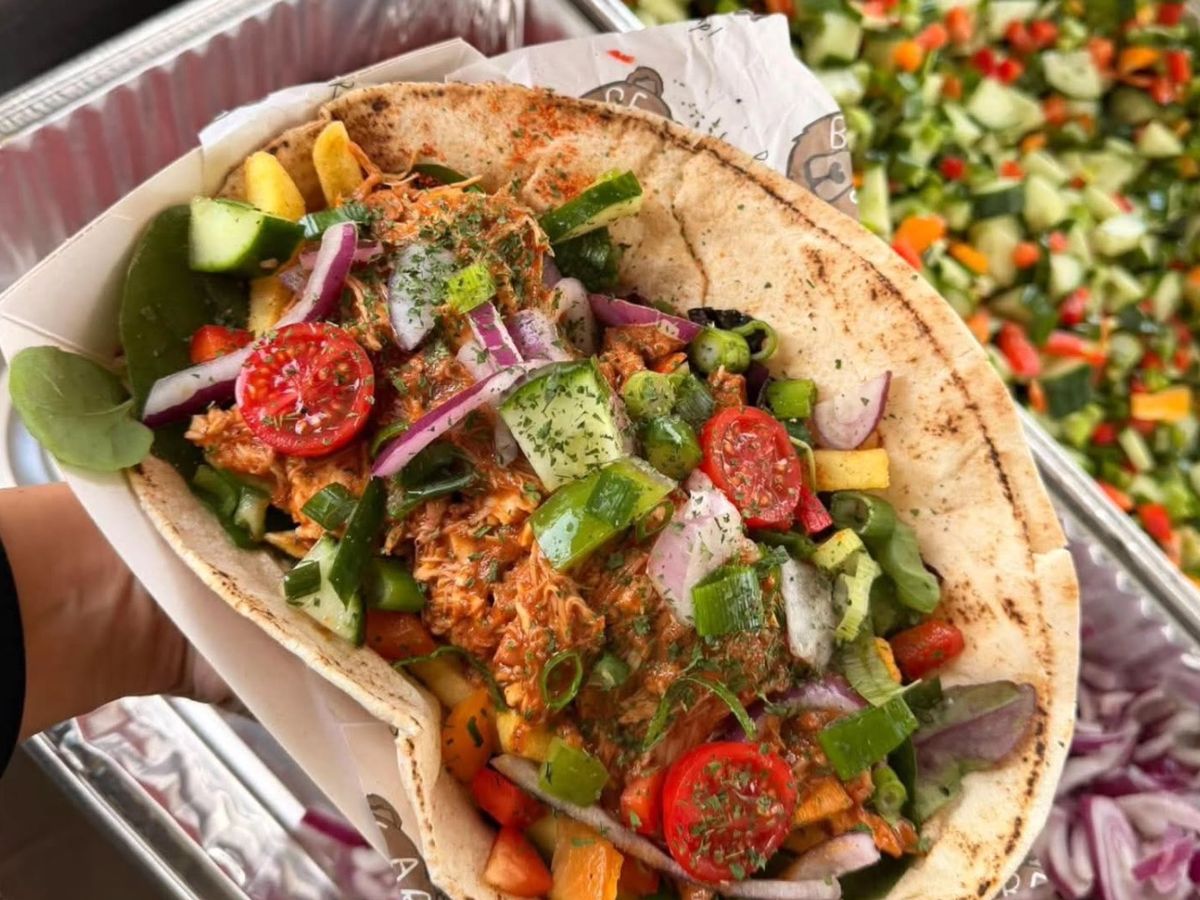
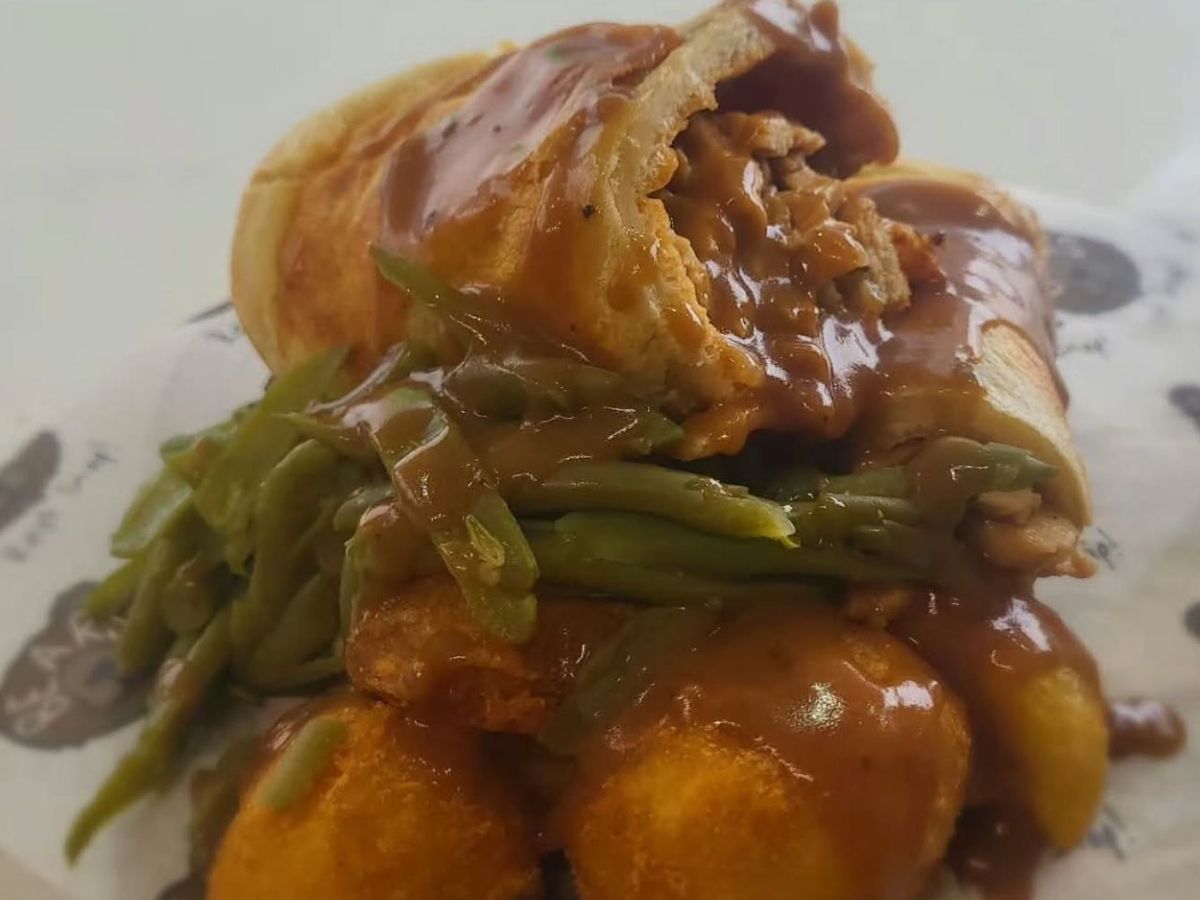
Early communication with the locations team on where the catering unit will sit, and what the ground is like, avoids problems on the day. We cover this in more detail in parking the unit base on autumn locations. The food itself matters more too. Hot, filling meals from a flame grill or slow-cook oven keep a cold crew going through a long winter day.
Get your Q4 catering covered
If your schedule is filling up for the rest of the year, talk to us now about the shoots you have confirmed and the ones that might be coming.
Contact Bear’s Street Food with your dates and locations, and we’ll let you know how we can cover them.