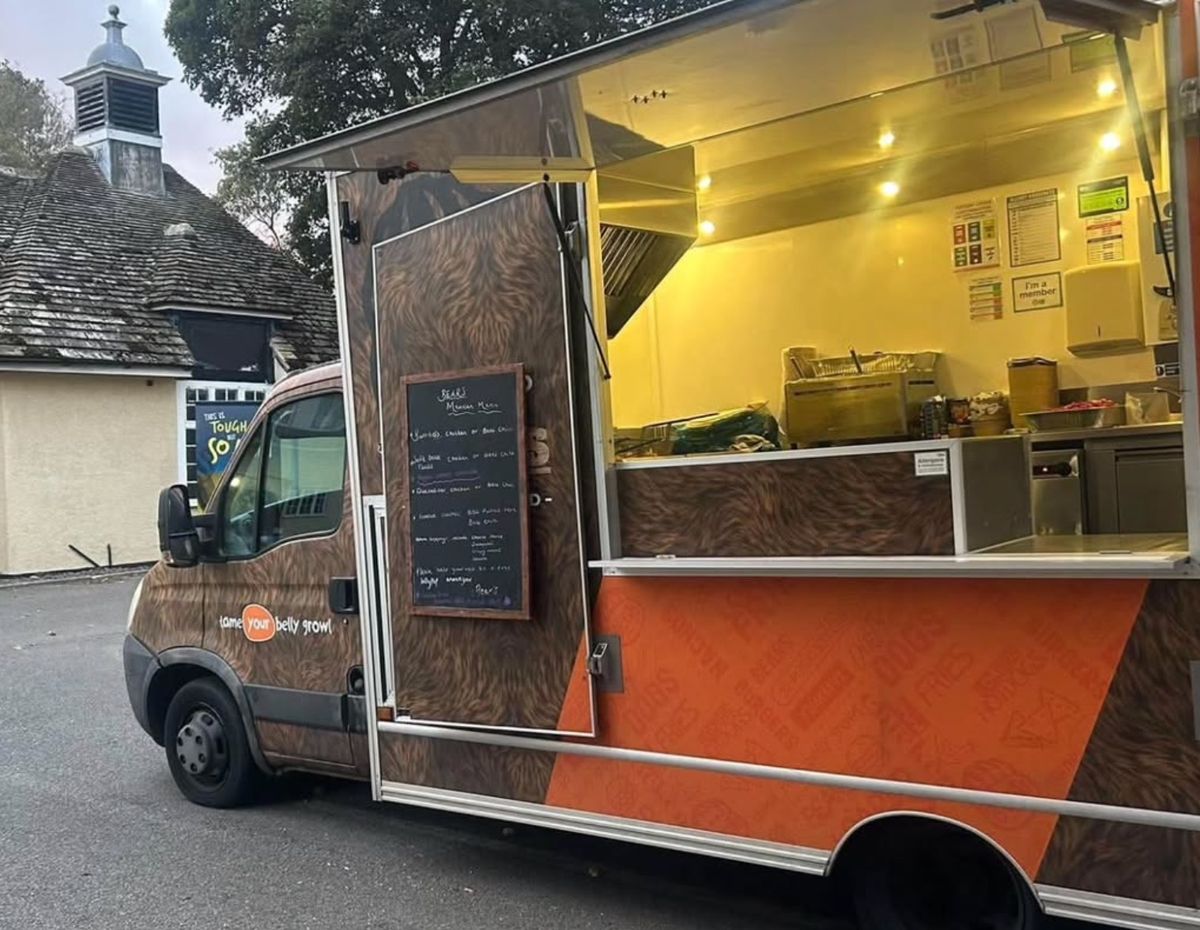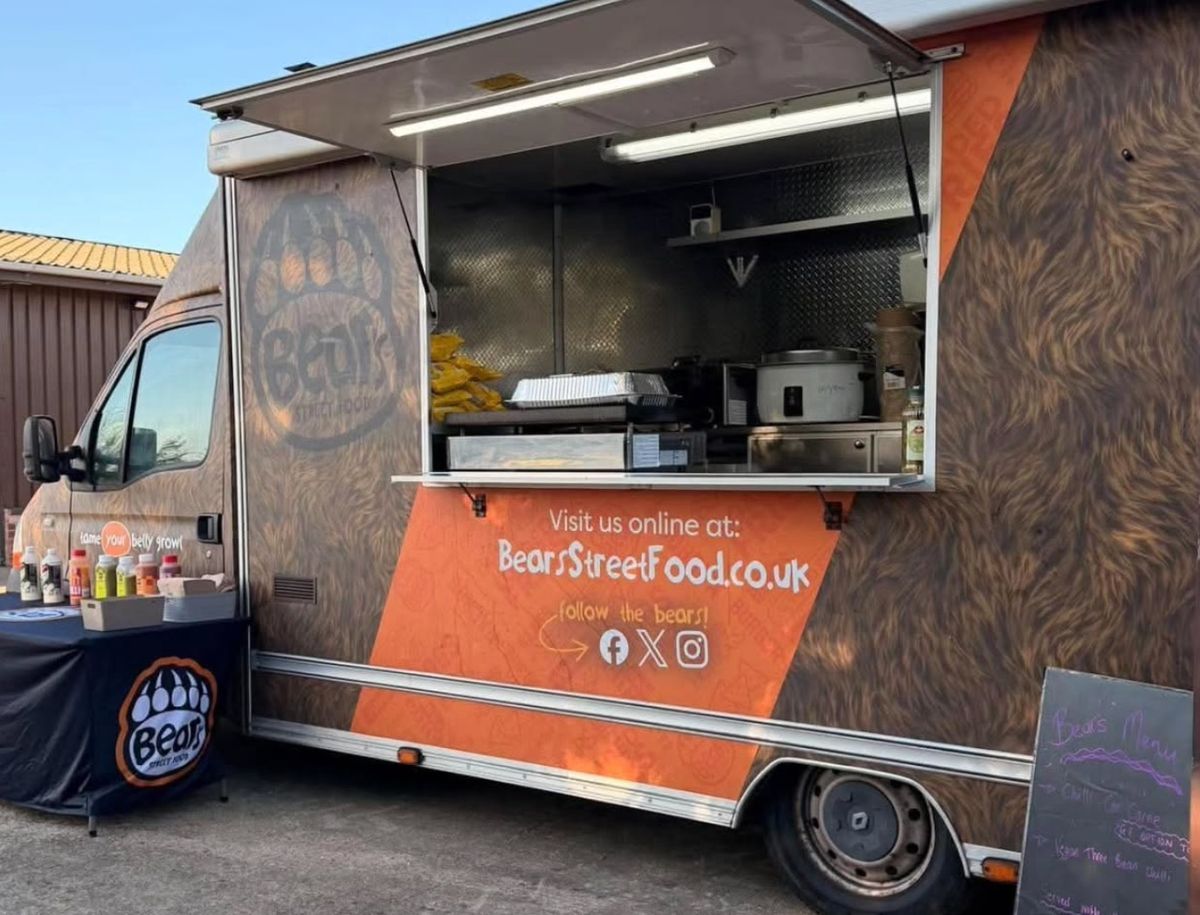
On a multi-location shooting day, mobile catering works by timing meals around the unit move: serving at the first location before the move, relocating with the base and setting up at the next position in time for the following break. A self-sufficient caterer can do this without needing new connections at each site.
Unit moves are part of most location shoots, and they’re where catering plans most often come unstuck. A move that runs late or a second position with poor access can leave the crew waiting for food. If you’re booking mobile catering for a schedule with company moves, here’s how to plan for it.
What happens to catering during a unit move?
The catering unit packs down, travels with or ahead of the rest of the base and sets up again at the new position. While it’s moving, it can’t serve, so the meal timings need to work around the move.
The usual approach is to serve a meal before the move and plan the next meal for after the unit is set up at the new location. For example, the crew might have breakfast at the first location, move mid-morning and then have lunch at the second. The key is ensuring enough time between the move and the next break for the caterer to set up properly. If the caterer travels ahead of the main convoy, they can often be serving by the time the crew arrive.
Can a caterer move mid-day without missing a meal?
Yes, if the move is planned with catering in mind. The risk comes when a move is scheduled right before a meal break, leaving no time to pack down, travel and set up again.
When reviewing the schedule, check the gap between the planned move and the next break. Allow for travel time between locations, set-up time at the new position and some margin for delays. If the timing is too tight, it may be worth moving the break or serving the meal before the move instead.
On bigger shoots, another option is to have a second catering unit already set up at the next location, so food is ready as soon as the crew arrive. That needs advance planning, but it can save a lot of time on a complex day.
How does self-sufficiency help on move days?
It removes one of the biggest variables. A caterer who needs to plug into power or water at each location depends on what’s available there, and that can change from site to site.
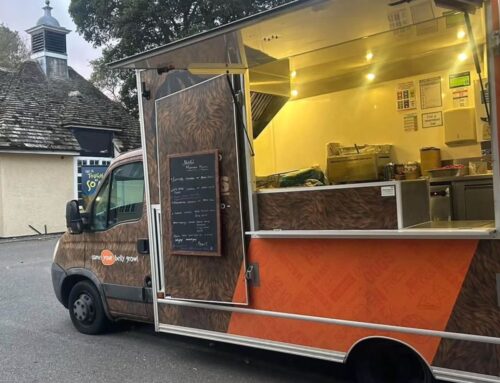
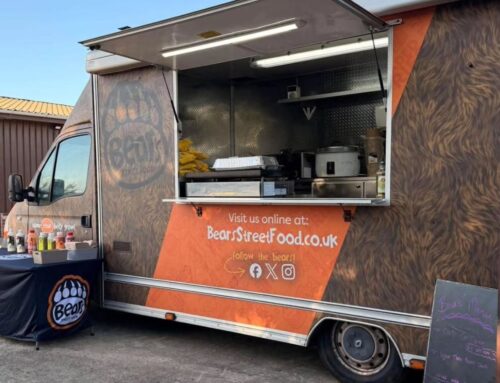
Bear’s units carry their own silent power and fresh water, so they can set up at any suitable position without hook-ups. That makes each move simpler and means the second location only needs access and space. We explain more in how self-sufficient location catering keeps your shoot on schedule.
How should you plan catering for a multi-location day?
Treat each catering position as its own location. That means checking access, ground conditions and distance from set at every stop, not only the first. A good first position can be followed by a second one that’s difficult to reach or too soft to park on.
Share the full day with the caterer in advance: each location, the order of moves, approximate timings and where the unit will be positioned at each stop. Include contacts on site for each position and any access restrictions. Our guide to parking the unit base on autumn locations covers the checks for each position.
What about split units shooting in different places?
If a second unit is shooting at a different location at the same time, it needs its own catering plan. Depending on the size of the second unit, that might mean a separate catering unit or a different arrangement for a small crew.
Tell the caterer about any second-unit work as early as possible. With a fleet, a caterer can cover both locations at once, but only if units and staff are scheduled in advance.
What food works best on move days?
Food that’s quick to serve and quick to eat. On move days, breaks are often tighter and crews are keen to get going again, so the menu should be easy to hold and eat on the go.
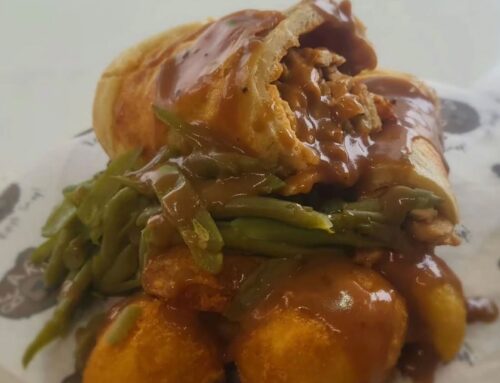
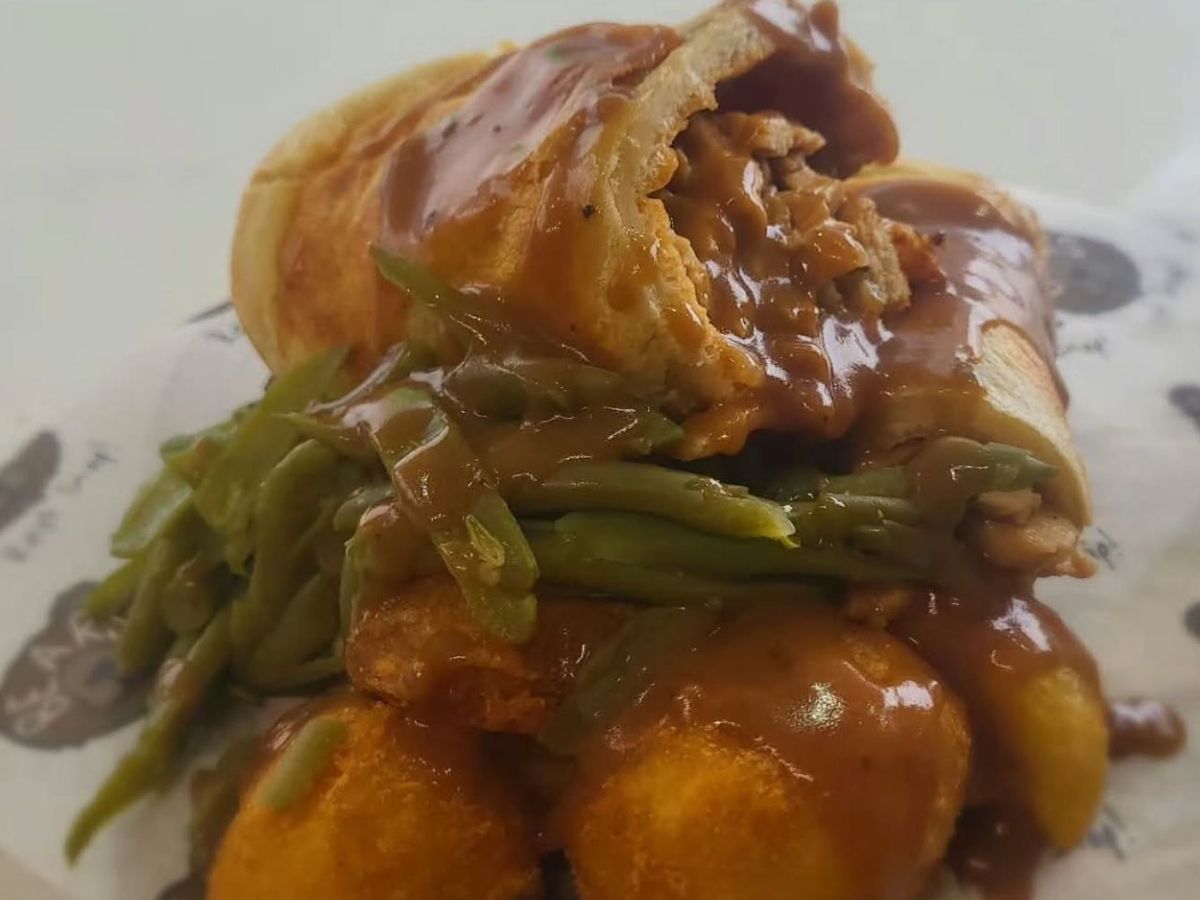
Flatbreads and wraps, flame-grilled burgers, loaded fries and pulled meats all work well. If the schedule calls for a walking lunch around the move, which we explain in how many meals a day a film crew needs, handheld food becomes even more important.
What should be in the caterer’s brief for a move day?
The basics, laid out clearly. Include the address and map pin for each catering position, the order of the day, and approximate move times. Include access notes and ground conditions for each stop, on-site contacts, the times and numbers for each meal, and any second-unit requirements.
The more complete the brief, the less the caterer needs to work out on the day. On a move day, that’s what keeps the meals on time.
Plan catering for your next unit move
If your schedule includes company moves or split units, bring us in early. We’ll plan positions, timings and units around the whole day.
Contact Bear’s Street Food with your locations and schedule.