The main difference between catering a TV series and a feature film is the shoot’s length and rhythm. Series often run for months in blocks, so consistency and menu variety matter most. Features tend to be shorter and more intense, often with more varied locations and set pieces, so flexibility and capacity matter most.
Both need the same fundamentals: hot food on time, self-sufficient units and proper paperwork. But the way those needs play out can vary a lot. If you’re planning TV & Film catering for either format, here’s what tends to change.
How does schedule length affect catering?
It changes what you need most from a caterer. On a long series, the same crew may be eating together for weeks or months. The caterer becomes part of daily life on the production, so reliability and consistency are what count. Over a long run, a good caterer also learns the crew: who has which dietary needs, what goes down well on a cold location day and how the first assistant director likes breaks to run. That familiarity saves time and cuts waste in a way a caterer new to the production can’t match.
On a feature, the schedule is often shorter and more concentrated. The caterer needs to get up to speed quickly, handle a lot of variety in a short time and cope with the peaks that big scenes bring.
These are generalisations, of course. A short series and a long feature can look very similar. But the shoot length is usually the best guide to what the catering plan should prioritise.
Why is menu fatigue a bigger risk on a series?
Because the crew eats the caterer’s food for much longer. Over a few weeks, even good dishes start to feel repetitive if they come round too often. Over several months, a limited rotation can become a genuine morale issue.
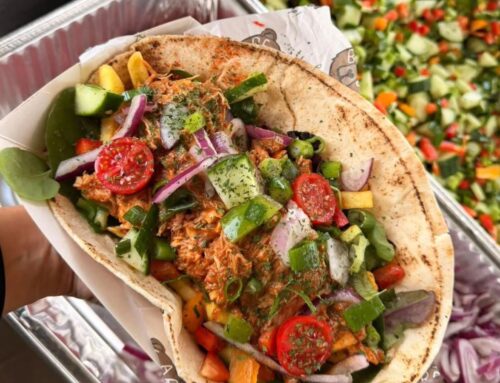
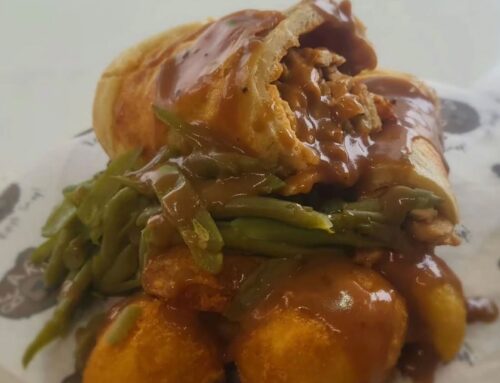
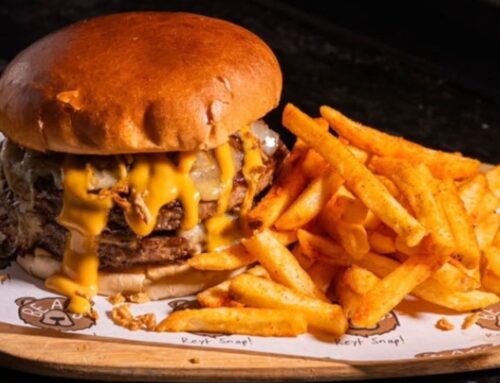
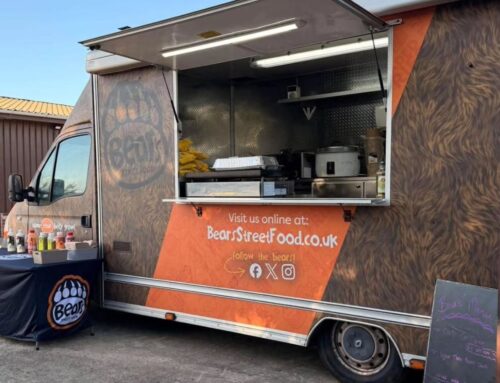
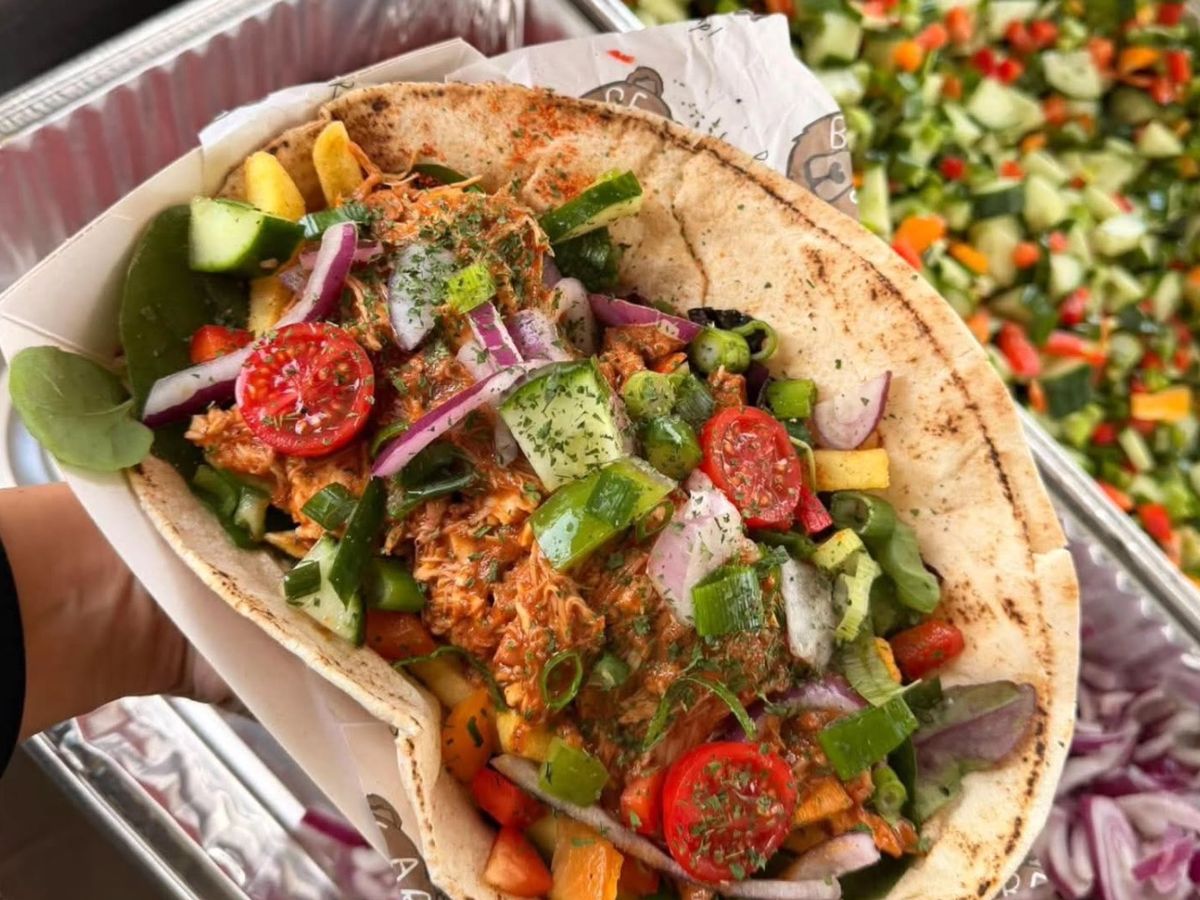
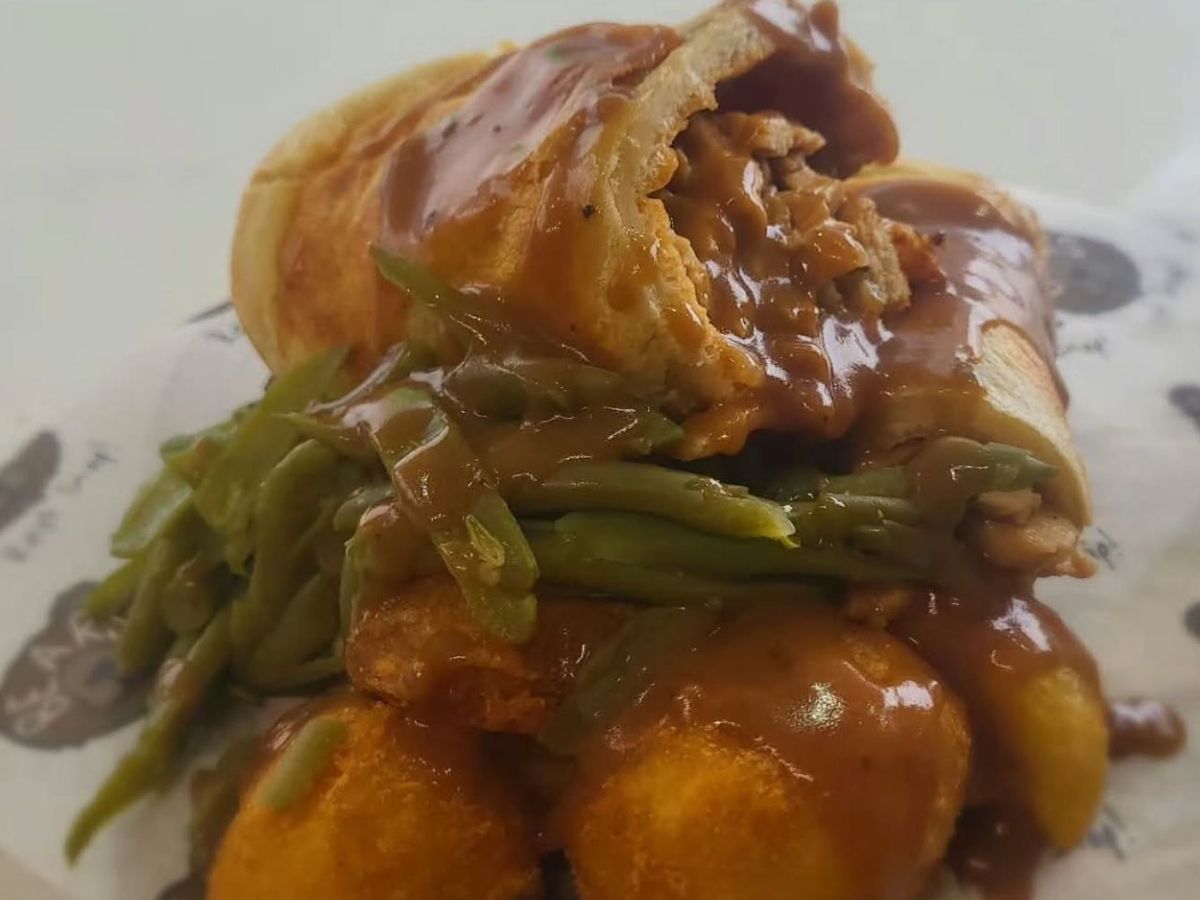
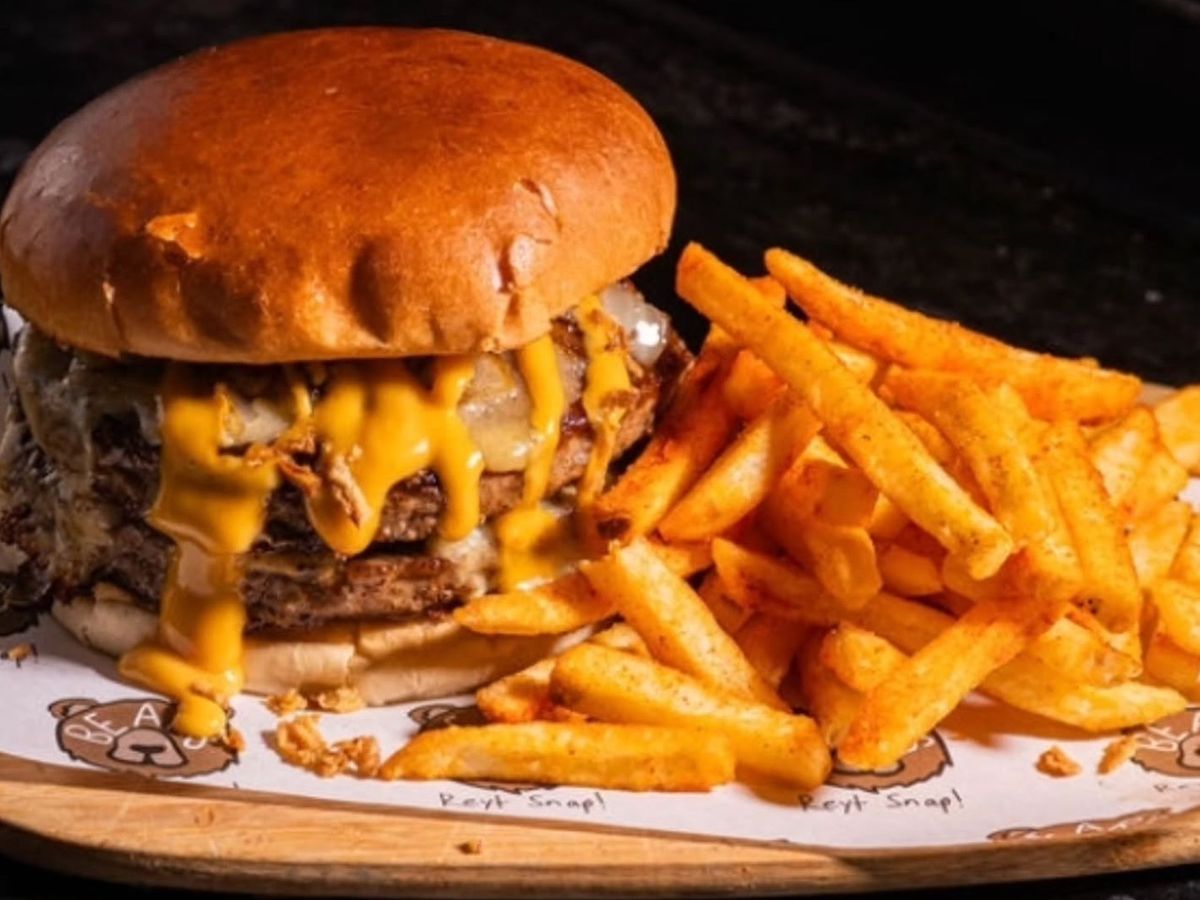
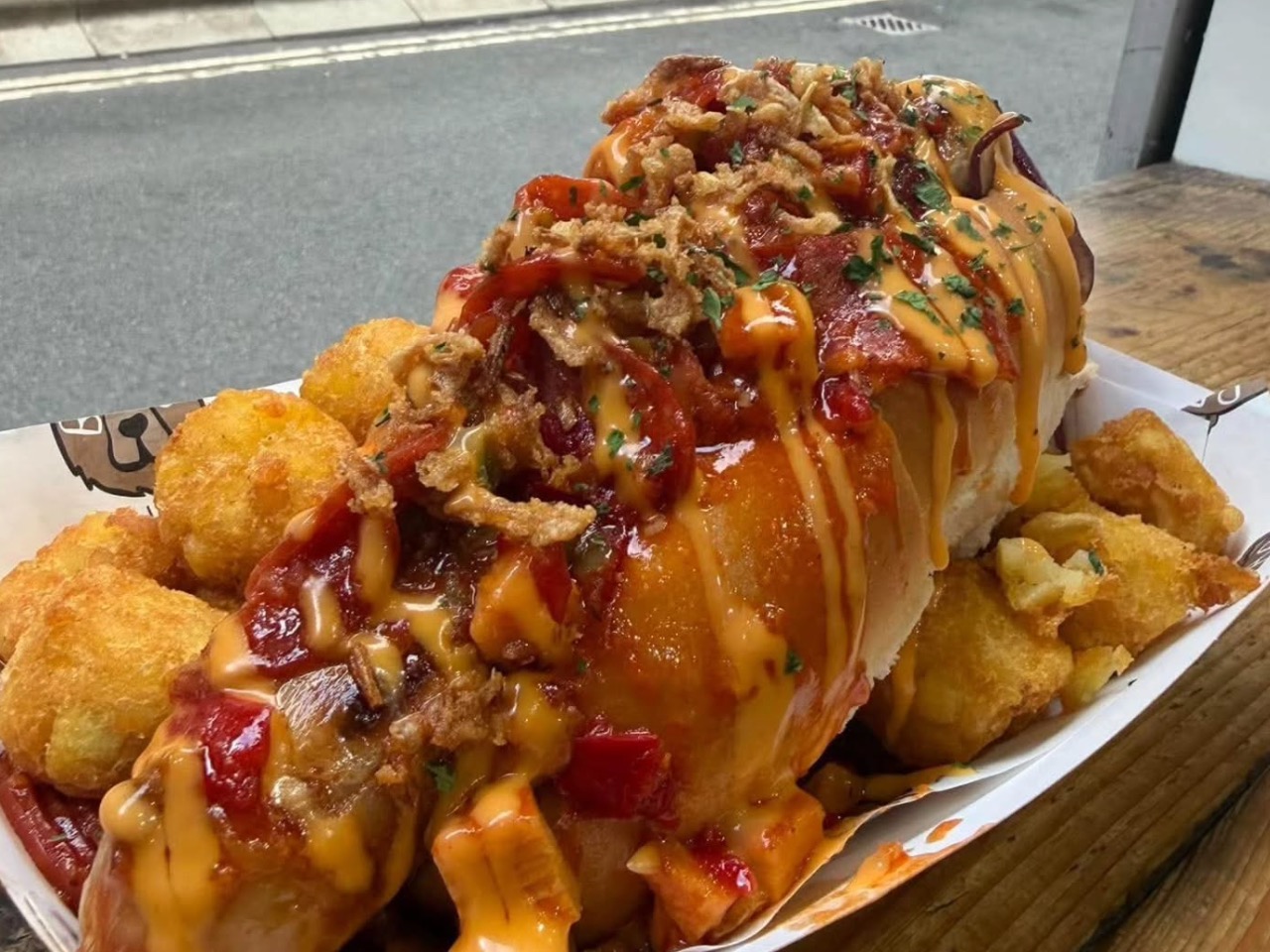
The fix is a menu planned for the length of the shoot. A caterer with a broad range can rotate across weeks without repeating too often. Bear’s covers flame-grilled burgers, wood-fired pizza, slow-cooked pulled meats, curries, rice dishes and loaded options, with vegan, gluten-free and halal options throughout. Ask any prospective caterer how they’ll vary the menu over your schedule.
How do headcounts differ between series and features?
Series often have a stable core crew, with numbers rising and falling as guest cast, extra crew and supporting artists come and go across episodes. Features may have bigger single-day spikes, with large set pieces or crowd days with supporting artists concentrated into a shorter schedule.
Either way, the caterer needs to know the expected headcount day by day, not just the overall crew size. A plan built on an average number won’t cope with the biggest days.
Do series shoot in the studio more than features?
Many series spend a large share of their schedule in studios, with location days in between, while features often lean more heavily on locations. Again, this varies widely by production.
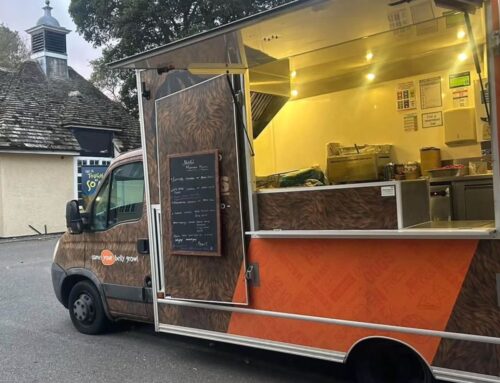
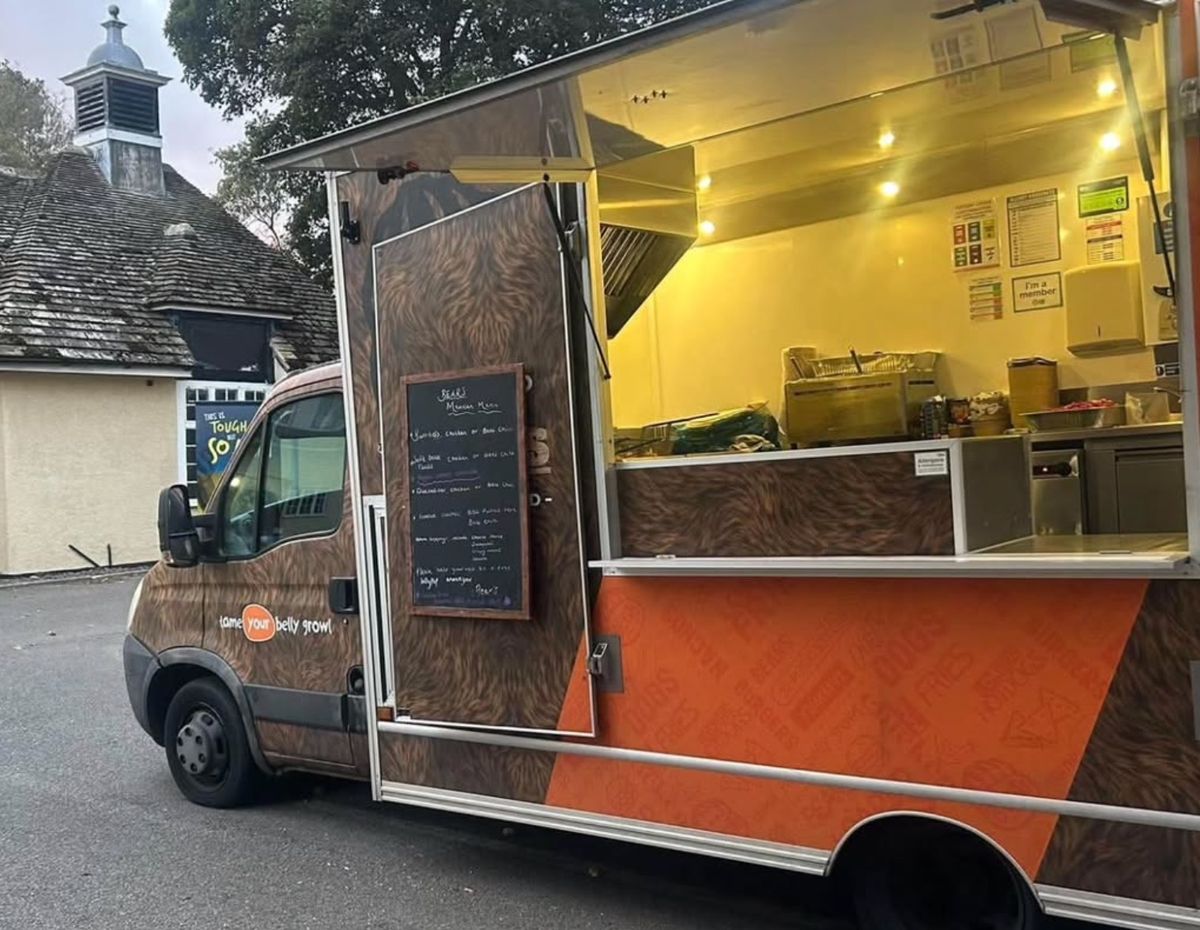
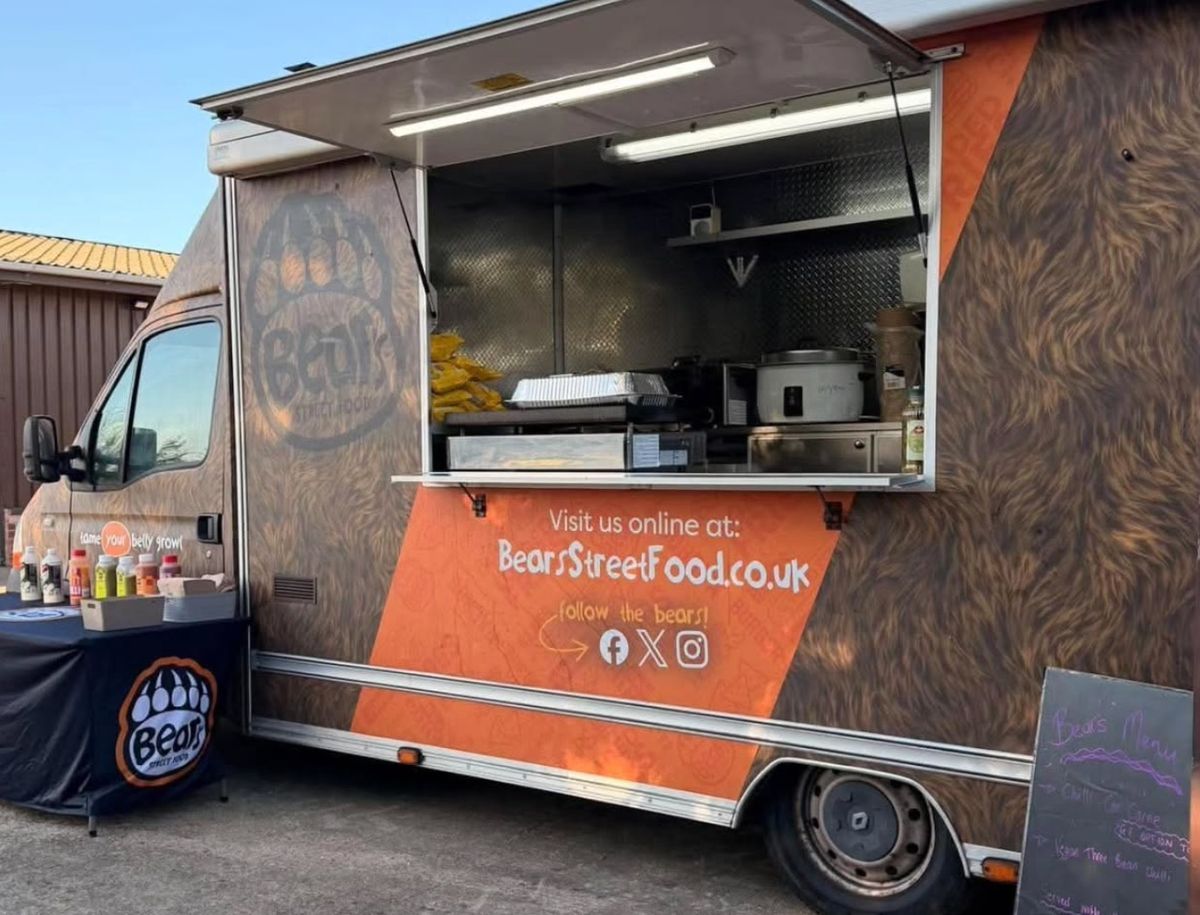
Studio-based shoots bring their own catering needs, such as feeding large crews without relying on the studio’s own canteen. Our guide to studio backlot catering covers this. Location days need fully self-sufficient units with their own power and water, which Bear’s provides as standard.
How does the catering arrangement differ?
On a long series, there’s a strong case for one caterer across the whole shoot, on terms agreed at the start. It gives consistency for the crew and makes costs easier to forecast, as we explain in predictable costs on long-running productions.
On a shorter feature, the priority is usually capacity and flexibility. The caterer needs to handle the busiest days and adapt quickly if the schedule changes. For both, the cost drivers are similar: crew size, services per day, shoot length and the number of unit moves. Our guide to what affects TV and film catering costs goes through them.
Are the meal patterns different?
Not fundamentally. Both formats usually feed breakfast and lunch on a standard day, with a second meal on long days and adjusted timings for nights. The production’s own agreements set the rules in both cases.
What does differ is how often the pattern changes. A feature with lots of night work and unit moves may change its meal pattern daily, while a series settled into a studio block may keep the same rhythm for weeks. We go through the standard pattern in how many meals a day a film crew needs.
What should you ask a caterer for each format?
For a series, ask how they’ll keep the menu varied over the full schedule, how they’ll maintain consistency across blocks and whether they can commit to the whole run. For a feature, ask about peak capacity, how quickly they can scale for big days and how they handle frequent schedule changes.
For both, ask about self-sufficiency, paperwork and how they handle dietary requirements. Those don’t change with the format.
Talk to us about your production
Whether you’re planning a long-running series or a feature, we’ll build the catering around your schedule, your crew and your locations.
Contact Bear’s Street Food with your shoot details.